Tactical Anarchy: Why World Cup 2026 Is a Goal-Fest
Expansive pressing structures and defensive errors are fueling the most prolific World Cup since 1970.
The defining tactical motif of the 2026 World Cup is not defensive solidity, but systemic vulnerability. As the group phase reached its second rotation on Wednesday, with all 48 nations having completed their opening two fixtures, the tournament revealed itself as an exercise in attacking excess. Only four matches have ended goalless. We are witnessing the most prolific World Cup since 1970, an era characterized by romanticism and rudimentary defensive organization. The modern game was supposed to be rigid, but the opposite is true: tactical anarchy reigns.
The root of this goal-fest lies in the expanding chasm between aggressive pressing triggers and the inability of elite sides to navigate counter-pressing structures. Coaches have arrived in North America with high defensive lines and man-oriented pressing schemes, attempting to suffocate opponents in their own half. Yet the sheer vastness of the pitches, combined with the humid, energy-sapping conditions across the host cities, has rendered sustained pressing a high-risk, high-reward gamble.
The Space Behind the High Line
When elite forwards like Kylian Mbappé and Lionel Messi are presented with transition spaces, they do not hesitate. The high line, a staple of modern European coaching, requires perfect synchronization. Miss a single trigger, and the entire defensive structure collapses. The structural spacings between the back four and the single pivot have been repeatedly exploited by intelligent off-the-ball movement.
Furthermore, the 48-team format has introduced a cohort of nations whose primary tactical identity is deep mid-block defending followed by rapid vertical transitions. This ineffable contrast in philosophies has produced a clash of styles ideally suited to goal-laden encounters. The elite teams commit bodies forward; the underdogs bypass the first line of pressure with long diagonals into the vast acres of space behind.
Defensive Frailty and Individual Errors
Goals are not merely the product of sweeping tactical designs; they are also born of unprecedented individual errors. The mental fatigue induced by a congested domestic season culminating in a summer tournament is glaring. Center-backs accustomed to operating within three-at-the-back structures at club level are suddenly asked to navigate 4-3-3 systems for their national teams. The lack of cohesive familiarity breeds hesitancy.
- Passing accuracy under pressure has visibly deteriorated in the second halves of matches played in high-temperature kick-off slots.
- Goalkeeper distribution errors have directly contributed to 7 goals across the opening fixtures, a startling figure this early in the competition.
- Center-back partnerships have averaged 2.1 positional misalignments per match, leading to clear-cut chances.
Even the 0-0 draws have not been exercises in defensive mastery, but rather in comedic wastefulness. The 0-0 between England and Ghana was a case study in structural conservatism, where both sides lacked the central penetration to break down compact mid-blocks, resulting in a sterile, sideways passing exercise. In contrast, the other three goalless matches were charged with a chaotic tension born of squandered opportunities.
Tactical Shift
The true turning point of this tournament's ideological battle has arrived via the touchline. The decisive factor separating the elite from the rest has been in-game management, specifically the deployment of smart substitutions to exploit the physiological drop-off around the 60-minute mark.
Coaches who have shifted from their initial 4-3-3 structures into aggressive 3-2-5 or 2-3-5 attacking shapes in the second half have reaped disproportionate rewards. By introducing fresh ball-carrying progressives and inverting wingers into half-spaces, managers are finding that fatigued defensive lines simply cannot track overlapping fullbacks or late runs from the number 8 position.
The data is unequivocal. A significant percentage of goals have been scored after the 65th minute, many originating from second-phase actions following a substitution. The tournament is being won on the bench. When pressing structures fatigue, the space between the opposition midfield line and defensive line expands exponentially. Smart managers are targeting this specific spatial expansion.
The Underdogs' Transition Threat
The tactical romance of this World Cup lies in the success of the so-called smaller nations. The structural resilience displayed by Cape Verde against Spain, Curaçao against Ecuador, and Iran against Belgium underscores a shift in global football's hierarchy. These teams are no longer park-the-bus entities; they are highly drilled in rest-defence principles.
Cape Verde's historic point against Spain was not an accident of parked buses. It was a masterpiece of counter-pressing triggers, cutting off the passing lanes to Spain's double pivot and forcing lateral resets. When Spain committed their fullbacks to the attack, Cape Verde launched diagonals into the vacated corridors, exploiting the frailties of a 3-2-5 in possession against a mid-block perfectly tuned to transition.
Curaçao and Iran replicated this framework. The low-block is no longer passive; it is an active trap. By allowing the opposition sterile possession in wide areas, these nations force the ball into zones where pressing becomes advantageous, resulting in turnovers that immediately expose the rest-defence vulnerabilities of top-tier teams.
"The space behind the high line is the most expensive real estate in modern football. We bought it cheaply today." — A tactical summary echoed across several underdog camps following their surprise results.
The Superstars and the Numbers
For the goal-fest to continue toward the historic benchmark of 1970, the onus remains on the tournament's marquee names. Mbappé and Messi are operating in a landscape tailored to their transitional brilliance. Messi, drifting into the right half-space, is finding that defenses are too stretched to commit the customary double-teams. Mbappé, meanwhile, is averaging 4.3 progressive carries per 90 minutes, a figure that leaves isolated center-backs facing one-vs-one scenarios they desperately want to avoid.
The Golden Boot race reflects the volatility. Strikers are thriving not because of creative dominance, but because the structural spacings they are encountering are forgiving. Shot conversion rates across the tournament are hovering around 14.2%, a marked increase from the 11.8% recorded in 2022. The quality of chances is higher, the expected goals (xG) per match is significantly elevated, and the margin for defensive error is practically zero.
The Evolution of the Third Matchday
As the group stage hurtles toward its decisive third matchday, the tactical landscape will inevitably shift. The current goal-fest is a product of early-tournament optimism and physical parity. However, as teams mathematically secure advancement, we can anticipate a regression to double-pivot security and risk-averse match management.
Yet, for those fighting for survival, the alternative is daunting. A point may no longer suffice in a tournament where goal difference could dictate progression from a four-team group. Coaches will be forced to maintain their high lines and commit attacking bodies, risking further exposure. The tactical imperative will shift from containment to calculation.
The 2026 World Cup has exposed the limits of dogmatic attacking systems while simultaneously celebrating their chaos. It is a tournament where the mid-block has humbled the elite, where transition spaces dictate narratives, and where the bench holds the keys to tactical ascendancy. If this pace persists, we are not merely witnessing a goal-fest; we are watching the evolutionary demise of the conservative tournament mindset.
Editorial Integrity
This is an original SportPulse article written by our editorial team. All content is independently researched, written, and reviewed by our writers and editors before publication. We do not publish copied, aggregated, or syndicated content.
SportPulse is committed to original sports journalism. Read our editorial policy or contact us with any questions.
More Like This
All football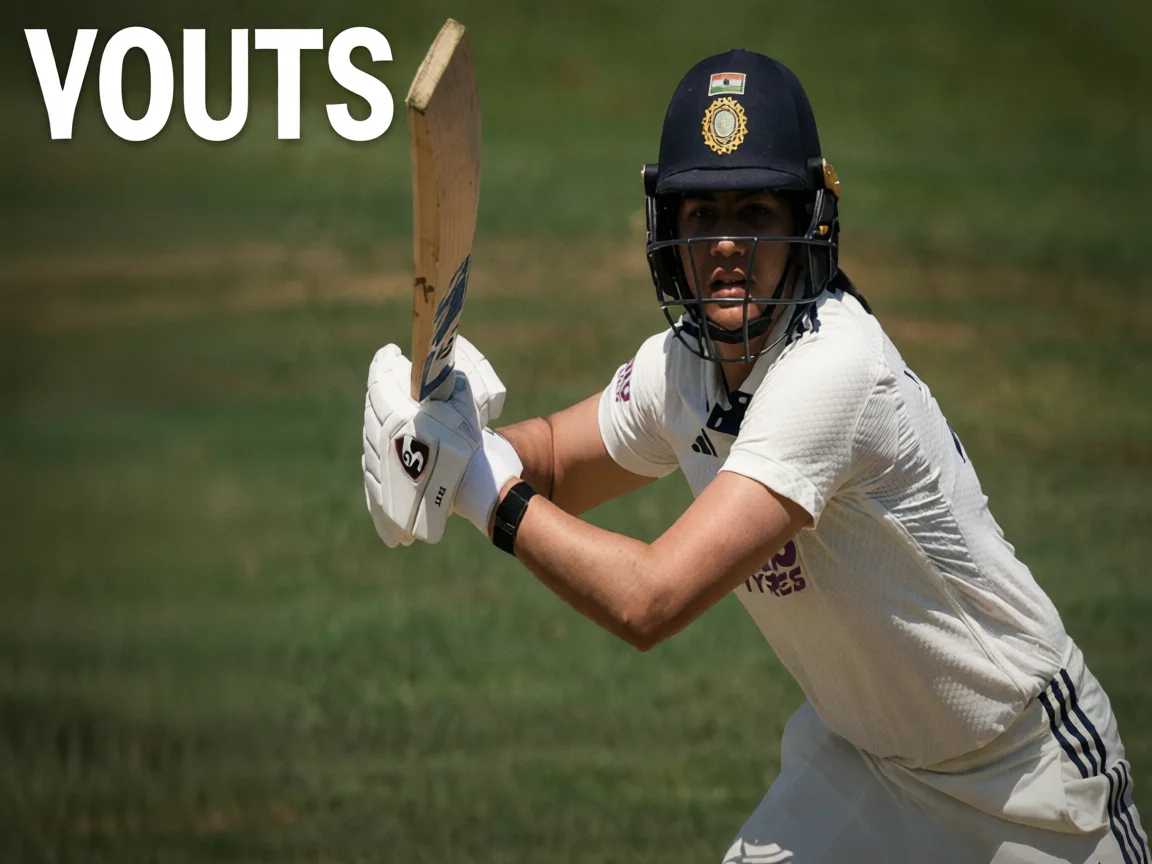
Bhatia Makes History: First Woman to Score Test Century at Lord's
Yastika Bhatia etched her name into Lord's folklore with a stunning 113 against England, becoming the first woman to score a Test century at the Home of Cricket.

Heggebo Channels Haaland and Heggem Inspiration at West Brom
Aune Heggebo draws tactical and psychological fuel from Norway's World Cup duo as she redefines her role at The Hawthorns.

How England's Golden Generation Crumbled in 2006
World Cup 2006 ended English football's golden generation dream through tactical confusion, penalty trauma and stalled potential.