52 Clubs Revolt: 'We Feel Betrayed' Over WSL Third Tier Takeover
A supermajority of National League clubs demand an emergency vote to block WSL academy sides from joining the third tier.
The letter landed on the Football Association's desk like a grenade with the pin already pulled. 52 clubs. A supermajority. One unified, furious voice declaring they will not be walked over.
"We feel betrayed."
Those three words, reverberating through the corridors of English women's football, signal that the battle over the pyramid's future is no longer a polite disagreement. It is a full-scale revolt.
An alliance of 52 Women's National League clubs has formally written to the FA to demand a vote on the deeply controversial proposal to inject Women's Super League academy sides directly into the third tier of the English pyramid. They view the plan not as progressive development, but as an existential threat.
The Maths of a Mutiny
Make no mistake, this is not a fringe movement. The FAWNL comprises 72 clubs across tiers three and four. By mobilizing 52 of them, the opposition has secured more than a two-thirds majority. They aren't just making noise. They have the numbers to force the issue.
Under the competition's current rules, this supermajority believes they are entitled to summon a special general meeting. No more backroom discussions. No more top-down mandates. They want a democratic, transparent vote on a decision that will fundamentally alter the landscape of the women's game.
The clubs operating in the third and fourth tiers fund themselves through relentless local sponsorship, community fundraising, and sheer volunteer grit. To watch the governing body casually restructure the ecosystem to benefit the wealthy elite feels, to them, like a slap in the face.
'A Disaster Waiting to Happen'
The opposition's fears are not abstract. They are rooted in the harsh, unromantic realities of how lower-league football actually functions.
Critics have plainly labeled the FA's blueprint as "a disaster waiting to happen." When you introduce B-teams or academy sides into a fiercely competitive, promotion-chasing league, you inevitably distort the integrity of the competition.
Consider the competitive paradox. A WSL academy team has no real incentive to fight for promotion. Their sole objective is player development. What happens in a late-season fixture where the academy side, already safe from relegation and unable to secure promotion, faces a club battling for its survival? The competitive edge is fundamentally compromised.
But the frustration cuts even deeper than the pitch. It strikes at the commercial heart of these community clubs.
The Stakes for Grassroots Survival
- Matchday Revenue: Fans are far less likely to pay admission to watch a developmental B-team fielded by a super-power hundreds of miles away.
- Local Sponsorships: A local business investing in a club wants community visibility. An academy fixture offers none of that authentic local engagement.
- Player Retention: A developing teenager gets injured at an academy side in a meaningless third-tier fixture. Who absorbs that developmental loss? And what stops academies from hoovering up local talent, only to bench them at the lower level?
Behind the Deal: The FA's Grand Illusion
The FA's push to integrate WSL academies into the third tier is born from a genuine, albeit intensely flawed, aspiration. The governing body wants to bridge the yawning chasm between elite youth football and the senior professional game.
Currently, the jump from WSL academy football to the top flight is cavernous. Loan spells are heavily relied upon, but the FA believes sanctioned, competitive league football within the pyramid is the ultimate accelerator.
"The gap between the academy system and the first team is a black hole. We need a structured bridge, not a hopeful leap."
But in attempting to build that bridge, the FA is burning down the villages on the other side. The fatal flaw in the proposal is the presumption that the lower tiers exist merely as a utility for the elite. They do not. They are the lifeblood of the women's game, serving communities and providing competitive football for clubs steeped in a century of history.
The commercial reality of the WSL dictates that top clubs invest heavily in their academies. They want a fast track. However, forcing that fast track through the third tier completely disregards the financial and emotional investment of the 72 clubs already occupying that space.
This strategy mirrors the infamous殷 EFL Trophy controversy in the men's game, where Category One academies were injected into a lower-tier cup competition. The backlash there was severe. The lower-tier clubs felt degraded, treated as afterthoughts in a system designed solely to benefit the rich. The women's game, still fighting for basic visibility and resources, is arguably even less equipped to absorb this shock.
The Flashpoint Ahead
The FA now finds itself trapped in a political firestorm of its own making. Ignoring the demands of a two-thirds majority is practically impossible without causing a catastrophic fracture in the women's pyramid. The clubs have the rules on their side. The competition statutes clearly outline the mechanism for a special general meeting.
A formal vote forces the issue into the daylight. It forces stakeholders to publicly declare their allegiances. Will the FA attempt to negotiate a compromise, offering concessions like playoff-only entry for academies or strict roster rules? Or will they dig their heels in?
The clock is ticking loudly. Every day the FA delays, the alliance grows more resolute. The phrase "we feel betrayed" is not an opening negotiation. It is a battle cry.
If the FA pushes this through against the democratic will of the majority, they risk creating a breakaway mentality. If they back down entirely, they risk angering the WSL behemoths who are demanding better pathways for their multi-million-pound youth investments. There is no clean exit.
What happens next will define the structural integrity of the women's pyramid for decades. The 52 clubs have drawn a bright, unambiguous line in the sand. The FA must now decide whether the future of women's football belongs to the community, or to the academy.
Editorial Integrity
This is an original SportPulse article written by our editorial team. All content is independently researched, written, and reviewed by our writers and editors before publication. We do not publish copied, aggregated, or syndicated content.
SportPulse is committed to original sports journalism. Read our editorial policy or contact us with any questions.
More Like This
All football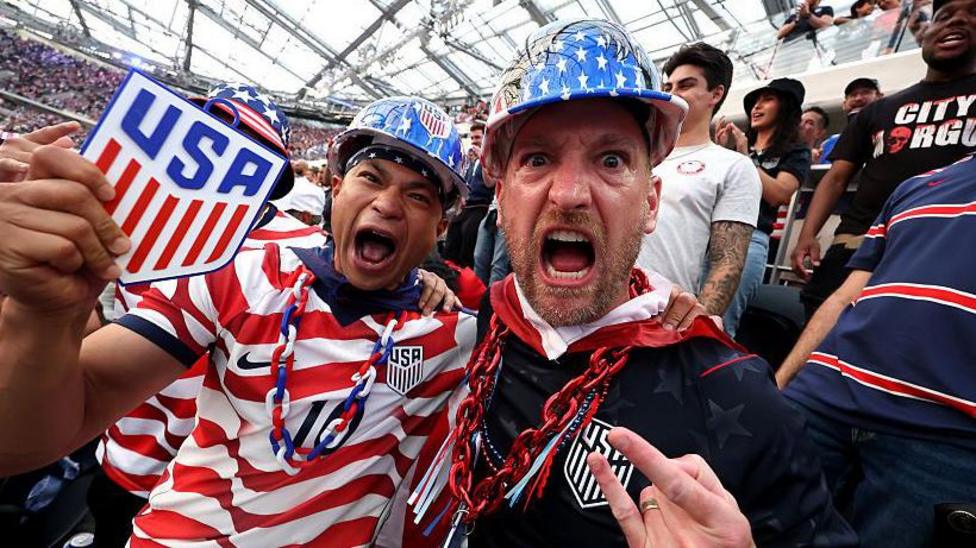
Is Football Finally Breaking America? The World Cup Says Yes
Three weeks into the World Cup, something is shifting in American sports culture — and this time it might stick.
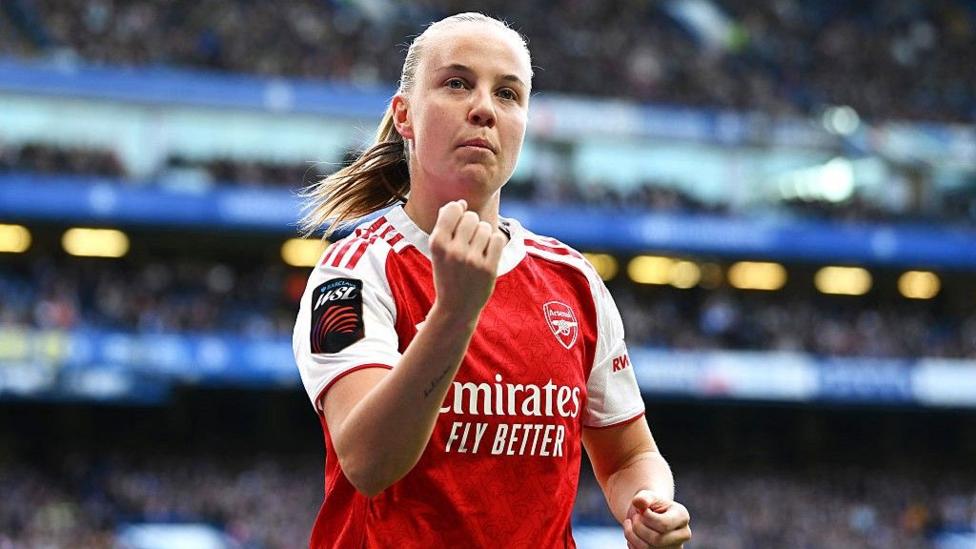
Mead Ditches Arsenal for City in Blockbuster Free Transfer
Beth Mead's shock Arsenal exit delivers Manchester City their deadliest WSL weapon on a free transfer.
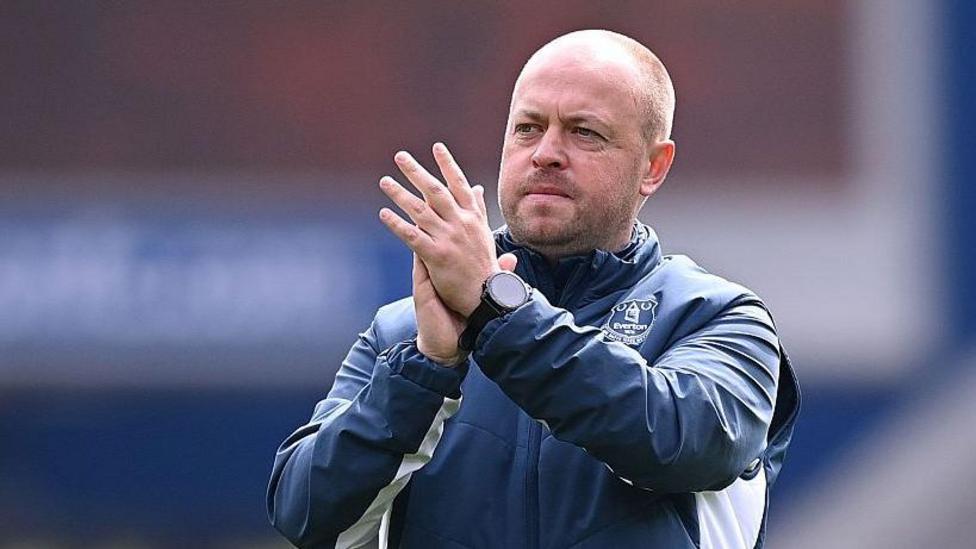
Phelan Permanent: Everton End Managerial Limbo
Everton Women remove the interim tag, handing Scott Phelan the permanent reins after a stability-defining caretaker spell.