Can Robinson Restore Aberdeen's Lost Identity at Pittodrie?
A season of survival fears gives way to a rebuild under Jimmy Robinson. Pittodrie demands more than stability.
A City That Demands More
The lights at Pittodrie flickered, both literally and metaphorically, throughout a campaign that tested every ounce of resolve in the Granite City.
Aberdeen Football Club exists in a strange paradox. A club with 17 major domestic trophies and a European pedigree forged under Alex Ferguson in the 1980s now finds itself fighting simply to remain relevant in Scottish football's conversation. The most recent season was not dawn but dusk: a slow, agonizing descent into survival fear that laid bare every structural crack.
Now there is a fresh start. Jimmy Robinson has arrived with a mandate that goes far beyond stopping the rot. He has to rebuild a club's soul.
The Season That Broke Something
Nobody at Pittodrie will pretend the last campaign was acceptable. The table told one story; the performances told an even grimmer one.
Aberdeen spent weeks hovering dangerously close to the foot of the Scottish Premiership, a position unthinkable for a club that once finished second in 12 consecutive seasons under Derek McInnes. That era of consistent European qualification feels like a distant memory now, separated from the current reality by a chasm of mismanagement, recruitment failure, and institutional drift.
The numbers cut deep. At one stage Aberdeen sat just above the relegation playoff spot, needing a late-season rally just to secure top-flight status. For a fanbase accustomed to pushing Hearts and Hibernian for the best-of-the-rest mantle behind Celtic and Rangers, it was humiliation on a weekly basis.
"The supporters deserve better than watching their team play with fear. This club should never be looking over its shoulder."
That quote, echoed in various forms across fan forums, podcasts, and pub conversations throughout the season, captures the emotional state of Aberdeen's support. It is not just anger. It is grief for what was lost.
The Tactical Void
Robinson inherits a squad that lacked coherent identity throughout the previous campaign. Too often Aberdeen mirrored opponents rather than imposing themselves, a tactical passivity that spoke to a deeper absence of philosophy.
The defensive record was alarming: conceding over 1.6 goals per game on average during the worst stretches. The attack fared no better, with the club struggling to break the 40-goal mark across the league campaign. These are not figures that suggest a team one or two signings from contention. They point to systemic failure.
What Robinson Brings
The new man at the Pittodrie helm arrives with a reputation forged in the lower tiers of English football and, crucially, an understanding of what rebuilding from the foundations looks like.
Robinson is not a marquee appointment designed to sell season tickets. He is a pragmatist. A coach who prioritizes organization, defensive structure, and a relentless work ethic. In many ways, his profile mirrors what Aberdeen need right now: stability before ambition, identity before inspiration.
The challenge is immense. Robinson must address multiple failings simultaneously.
- Defensive fragility that turned Pittodrie from a fortress into a turnstile
- Midfield creativity deficit with the club ranking among the lowest chance-creating teams outside the top two
- Squad turnover with several underperforming contracts needing resolution
- Fan reconnection after a season where apathy replaced passion in the stands
Each of those items alone would define a summer. Together they constitute a rebuild of structural magnitude.
The Robinson Blueprint
History suggests Robinson will not attempt to dazzle. His teams are built on discipline, pressing structure, and an unwillingness to concede cheap ground. That philosophy directly addresses Aberdeen's most glaring weakness from the last campaign: a soft centre that opponents exploited with alarming regularity.
Expect a back four operating with a shield in front, two screening midfielders protecting the centre-backs and allowing full-backs to advance cautiously. The emphasis will be on keeping clean sheets first, developing attacking patterns second. It is unglamorous. It is also exactly what a club that nearly relegated itself requires.
The tactical shift will demand different personnel. Robinson needs players who buy into a collective framework rather than individuals seeking to freelance. That means recruitment must align with the manager's philosophy, a coordination that Aberdeen have conspicuously lacked in recent windows.
"The core has to be right. You can build a house with beautiful windows, but if the foundations are cracked, nothing else matters."
That foundation-first mentality is Robinson's calling card, and it is the reason Aberdeen's hierarchy turned to him when more decorated names were available.
Behind the Deal
The financials of Robinson's appointment tell their own story about where Aberdeen find themselves.
- Robinson accepted a contract significantly below the compensation package of his predecessor
- The club is transitioning toward a director of football model to centralize recruitment strategy
- Player sales will be necessary to fund incoming transfers, with several high earners on the chopping block
- The wage bill is being targeted for a 15-20% reduction to comply with sustainable spending guidelines
This is not a manager coming in with a blank cheque. It is a coach accepting constraints and being asked to work within them, extracting more from less while building a team that reflects a clear idea of what Aberdeen should look like.
What Success Looks Like
Setting realistic expectations matters. Nobody at Pittodrie should be talking about bridging the gap to Rangers and Celtic immediately. That gap, measured in budget differentials of tens of millions of pounds, cannot close through coaching alone.
Success in Robinson's first season means different things at different checkpoints.
By October, supporters should see a team with defined structure, one that does not collapse when falling behind. By December, Pittodrie should feel like a venue where visiting teams know they are in for an uncomfortable afternoon. By March, a top-six finish should be the minimum benchmark, consolidating before pushing higher.
The psychology matters as much as the standings. Aberdeen fans need to see a team that fights, that represents the city's working-class identity, that does not roll over when the Old Firm come calling. Restoring that basic pride is Robinson's most important first task.
The Wider Context
Aberdeen's decline did not happen in isolation. It reflects a broader shift in Scottish football's hierarchy.
Hearts under Robbie Neilson and now Steven Naismith demonstrated that a well-run club can establish firm control of third place. Hibernian continue to invest with ambition. Even St Mirren and Kilmarnock have shown that smart management can punch above financial weight.
The notion of Aberdeen as automatic best of the rest no longer holds. That status must be earned, and Robinson is walking into a far more competitive landscape than McInnes ever faced in his prime years.
The new stadium project at Kingsford, once heralded as transformative, has stalled amid financial uncertainty, meaning the revenue streams necessary to compete remain unrealized. Robinson must work within a club still awaiting the infrastructure that would elevate it to a different financial tier. His rebuild must happen on the pitch, without the off-field progress to support it.
The Stakes
This is more than a fresh start for Aberdeen. It is a referendum on whether the club can arrest a slide that has felt, at times, irreversible.
Jimmy Robinson will not solve every problem. No single appointment could. But his arrival represents a necessary pivot away from recent dysfunction toward something resembling a plan. Aberdeen have spent too long reacting to crises. Robinson offers the prospect of proactive, considered construction.
Pittodrie has witnessed magical nights. European adventures, trophy lifts, and an era when Aberdeen were feared far beyond Scottish borders. Those memories feel impossibly distant now, preserved in amber while the present crumbles.
Robinson's job is not to recreate the 1980s. It is to ensure that the 2020s do not become a lost decade. The clock is already ticking. The Granite City is watching, waiting to see if this fresh start delivers something genuine or merely extends the cycle of disappointment.
The season of chaos gave way to survival. Survival must now give way to something more. Whether Robinson is the man to engineer that transformation is the defining question hanging over Pittodrie as a new chapter begins.
Editorial Integrity
This is an original SportPulse article written by our editorial team. All content is independently researched, written, and reviewed by our writers and editors before publication. We do not publish copied, aggregated, or syndicated content.
SportPulse is committed to original sports journalism. Read our editorial policy or contact us with any questions.
More Like This
All football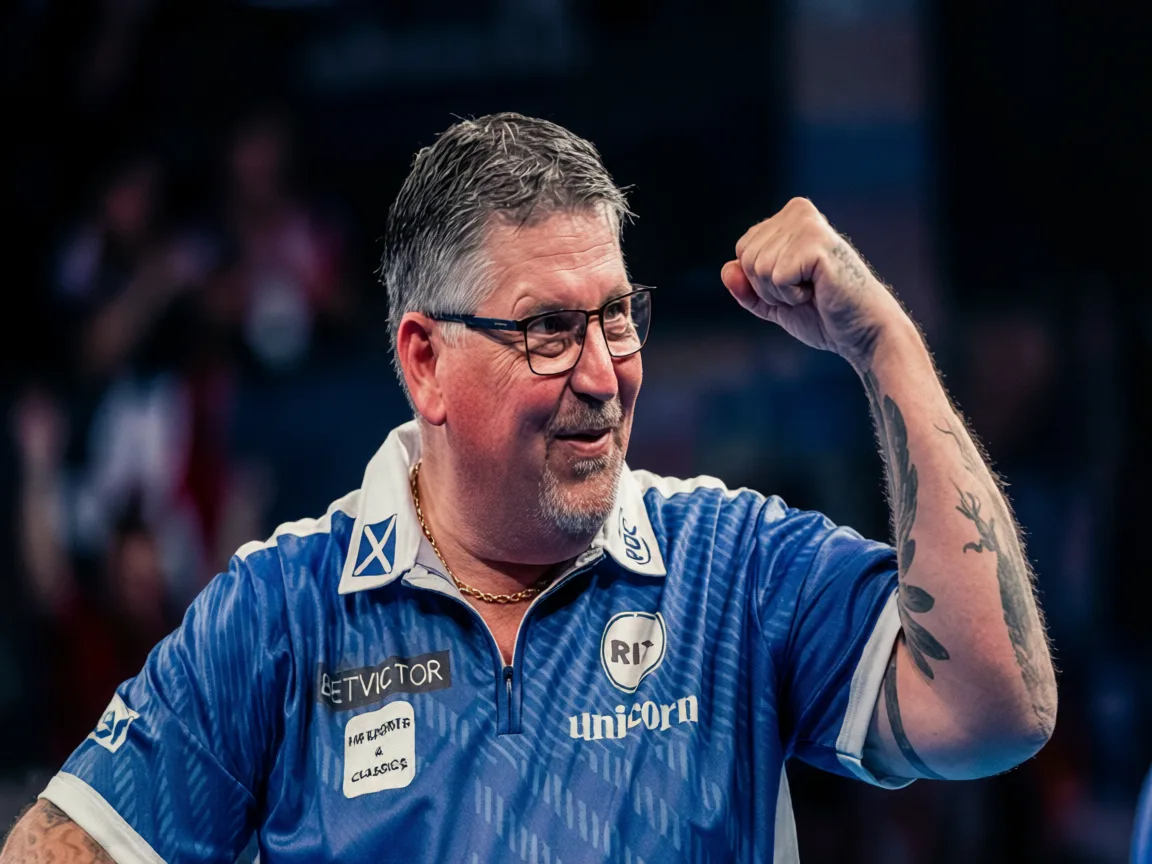
Anderson Demolishes Joyce in Blackpool Masterclass
Gary Anderson delivered a ruthless display at the World Matchplay, dismantling Ryan Joyce to crash into the last sixteen.
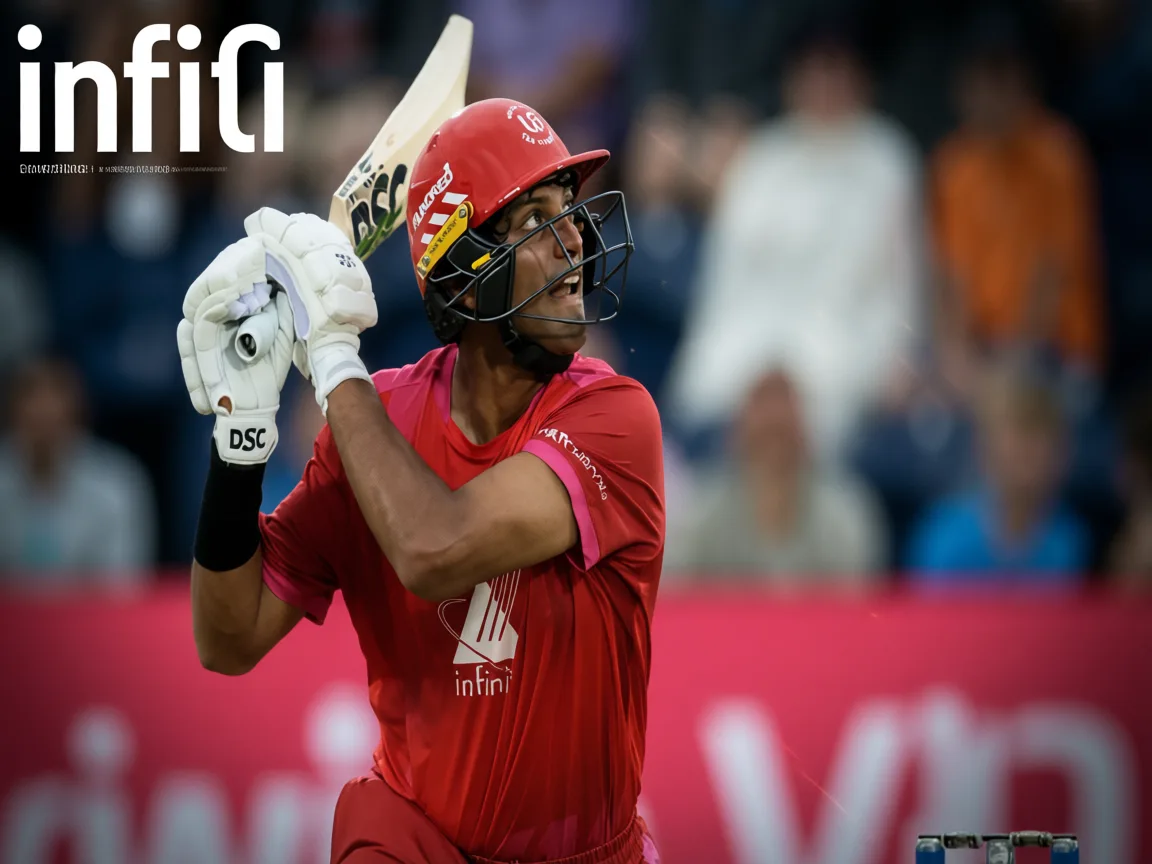
Ravindra's 98 off 44 powers Welsh Fire past MI London
Rachin Ravindra fell two short of a hundred but carried Welsh Fire to a second straight Hundred win, beating MI London by 15 runs.

Celtic Revive Pursuit of Norway-Based Striker Hogh Amid Goalkeeper Encouragement
Celtic's transfer strategy crystallizes around a Norway-based striker and a new goalkeeper as Brendan Rodgers reshapes his squad.