Aberdeen secure permanent alcohol licence for Pittodrie matchdays
Aberdeen FC win council approval for permanent alcohol sales at Pittodrie, a landmark shift in Scottish football's stadium drinking culture.
Aberdeen secure permanent alcohol licence for Pittodrie matchdays
Aberdeen City Council have granted Aberdeen Football Club a permanent alcohol licence, ending decades of blanket prohibition at Pittodrie on matchdays. The ruling places the Dons at the forefront of a policy shift the wider Scottish game has resisted since 1980.
Pittodrie, the club's home since 1903 and one of the oldest purpose-built football grounds still in use in the UK, holds 20,866. For a fanbase that regularly fills it for Premiership and European fixtures, the ruling changes the shape of a Saturday afternoon.
The 1980 ban that kept Scottish stadiums dry for 44 years
Scottish football banned alcohol sales inside stadiums after the 1980 Scottish Cup Final between Celtic and Rangers, a match marred by a pitch invasion and widespread disorder at Hampden Park. The aftermath produced the Sporting Events (Control of Alcohol etc.) Act 1985, which shut the taps at every professional ground north of the border.
England eased its own restrictions years ago, permitting alcohol in concourses and hospitality areas but not in view of the pitch. Scotland held firm. Supporters drank heavily before entering grounds, then sat through 90 minutes without access to a bar. Critics argued the policy moved the problem outside the turnstiles rather than fixing it.
Aberdeen's licence now tests a more managed approach: the club controls consumption on-site rather than watching supporters neck pints in surrounding pubs minutes before kickoff, arrive late, or skip the matchday experience altogether.
What the licence unlocks for Aberdeen's balance sheet
Matchday income matters more for Scottish Premiership clubs outside the Old Firm than it does for Celtic and Rangers, who dominate broadcast and commercial revenue. Aberdeen, Hearts, Hibs and others search for every available stream.
Alcohol sales at Pittodrie, properly managed, add to matchday turnover. Hospitality packages gain an extra layer of appeal. General admission concourses can generate incremental revenue across 15+ home league fixtures per season, plus cup ties and European qualifiers. The margins on alcohol in a controlled stadium environment are substantial, and for a club that has invested heavily in infrastructure plans, the income helps justify capital expenditure.
How Pittodrie's atmosphere could shift under the new rules
Pittodrie carries a reputation as one of Scottish football's more intense grounds. Controlled sales in concourse areas could enhance the social side of attending without the rowdiness that prompted the 1980 crackdown. The alternative, poor implementation, reintroduces the problems the original legislation aimed to prevent.
The club will need a clear operational plan: staffing levels, policing protocols, sales cut-off times, and designated drinking areas. Aberdeen City Council's decision to grant a permanent licence rather than a trial suggests confidence in the club's proposals, but scrutiny will follow if incidents occur.
Pittodrie as the test case for every Premiership boardroom
Rival clubs will watch closely. If Aberdeen's model works, expect Hearts at Tynecastle, Hibs at Easter Road, and others to pursue similar licences. The precedent at Pittodrie could reshape Scottish football's commercial and social approach well beyond the north-east.
Aberdeen's ability to run a safe, profitable matchday operation with alcohol on sale will shape the conversation across every boardroom in the Premiership. The sport has lived under a blanket prohibition born from the chaos of a single fixture 44 years ago. Pittodrie is now the testing ground for whether the modern Scottish game can handle what English stadiums, rugby grounds, and cricket venues across the UK already permit.
Editorial Integrity
This is an original SportPulse article written by our editorial team. All content is independently researched, written, and reviewed by our writers and editors before publication. We do not publish copied, aggregated, or syndicated content.
SportPulse is committed to original sports journalism. Read our editorial policy or contact us with any questions.
More Like This
All football
Giroud Reveals Why Kante Remains France's Irreplaceable Engine
Olivier Giroud explains why N'Golo Kante remains indispensable to France, eight years after nearly walking away from international football.

The Defensive Blueprint: How to Contain the World Cup's Four Lethal Forwards
Elite strikers are terrorising defences at this World Cup — but every attack has a tactical solution.
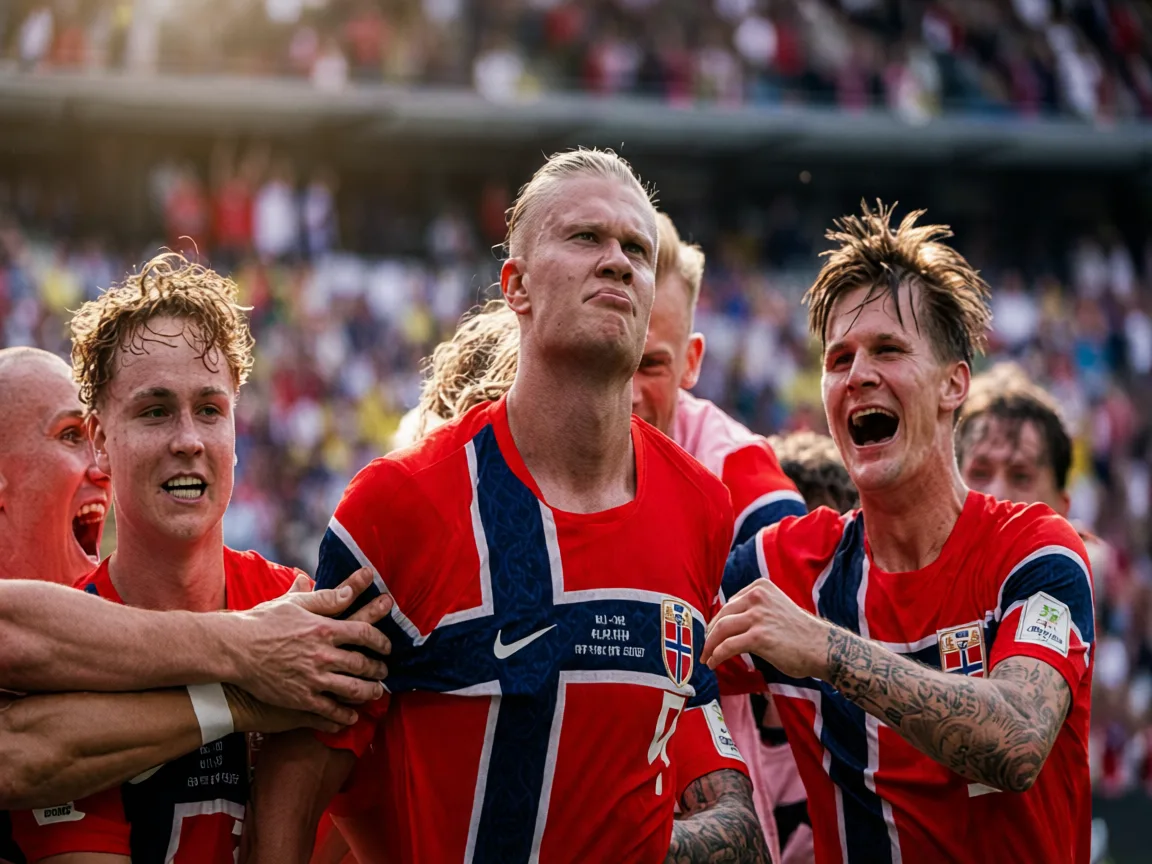
How Norway Built a Golden Generation From Plastic Pitches
Artificial turf, gambling revenue, and a coach-first culture built Norway's talent machine from the ground up.