Banned at Home, Afghan Women Rebuild Their Football Identity 8,000 Miles Away
Fifa-recognised Afghan women's team reunite across continents, turning exile into a statement of resistance through football.
A Team Without a Country
The Taliban's return to power in August 2021 erased women's football from Afghan sport overnight. Facilities shuttered. Players went dark. Coaches burned contact lists to protect the women under their care. The national team, recognised by Fifa, effectively ceased to exist inside the country it was meant to represent.
Players who fled to different continents and time zones are reuniting on foreign pitches, roughly 8,000 miles from Kabul. The distance between them and home stays vast. The distance between them and each other is closing.
For these women, football was a marker of what Afghanistan briefly allowed them to become: autonomous, visible, competitive. The Taliban's ban did not simply stop them playing. It tried to undo a generation's progress in women's sport.
Rebuilding in Exile
The women describe football as the source of their freedom and independence. In a country where the 2023 Taliban decree barred women from parks, gyms, and public baths, walking onto a training pitch is defiance. Continuing to play in exile is how the players who escaped hold the identity the regime tried to strip from them.
The reunion is a process, not a single event. Some players crossed borders on foot. Others were evacuated on military flights, leaving behind family, boots, everything. Reassembling a squad under those conditions means rebuilding chemistry, fitness, and trust, not just tactics. Each training session recovers a fraction of what was lost.
Fifa recognition anchors the project. The Afghan women's team carries the institutional legitimacy of world football's governing body. The Taliban can ban women from sport inside Afghanistan. They cannot dissolve a Fifa-recognised national team operating beyond their reach.
Obstacles Beyond the Pitch
The reunion means confronting realities that have nothing to do with football. Players handle asylum claims, new languages, and the psychological weight of displacement. Some arrived in their host countries with nothing. Others are rebuilding careers and education from scratch.
Funding is uncertain. Access to competitive fixtures is irregular. Training facilities are borrowed or shared. The players carry the name of a nation whose current leadership refuses to acknowledge their right to exist as athletes. Every match abroad is a reminder that the same activity is illegal and punishable inside Afghanistan.
For ninety minutes, the team functions as a team rather than a collection of refugees. The women who called football their source of freedom are not speaking metaphorically. The sport gave them structure, purpose, and a public identity in a society that was removing all three.
Erasure as Policy
The Taliban's sporting ban is one part of a wider campaign against women's public life. Afghanistan is the only country where girls are formally prohibited from secondary education. Sport is a strand of that erasure. The women's football team, operating far from Kabul, represents the resistance that continued after the cameras left.
For Fifa, the exile team tests whether institutional recognition can sustain a squad with no home federation behind it. The players will train, play, and compete because they decided the alternative was to disappear.
Editorial Integrity
This is an original SportPulse article written by our editorial team. All content is independently researched, written, and reviewed by our writers and editors before publication. We do not publish copied, aggregated, or syndicated content.
SportPulse is committed to original sports journalism. Read our editorial policy or contact us with any questions.
More Like This
All long-reads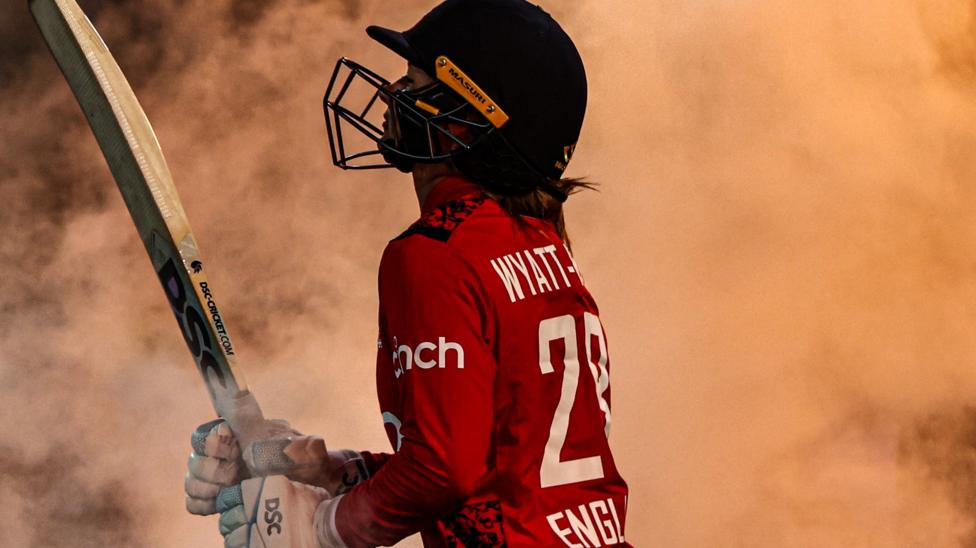
Breaking the Wall: Can England Shatter Australia's Psychological Fortress?
England face Australia in the Women's T20 World Cup final, burdened by history and a psychological barrier that defines this rivalry.

Wales' Pawlett withdraws from Commonwealth heptathlon
Wales athlete Pawlett pulls out of the Commonwealth heptathlon but still competes in the 200m.
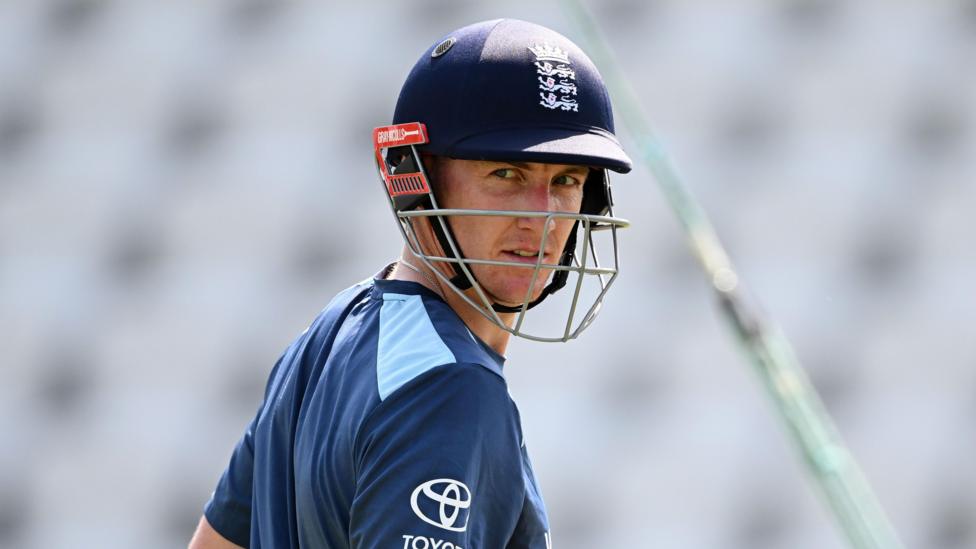
Brook Declares Himself Ready to Captain England Across All Formats
Harry Brook signals he's ready for the ultimate leadership role as England's multi-format captaincy debate intensifies.