From Packers Glory to the Pitch: Alex Freeman Writes His Own Story
Super Bowl-winning father. Soccer-playing son. Alex Freeman is carving an identity all his own with USA.
A Name That Carries Weight
Antonio Freeman caught the football that mattered most on January 26, 1997. The Green Bay Packers wide receiver hauled in a pivotal touchdown in Super Bowl XXXI against the New England Patriots, capping a 13-3 regular season and etching his name into NFL lore. His toe-tapping sideline grabs and a legendary Monday Night Football reception against the Minnesota Vikings made him a household name in Wisconsin and beyond.
His son Alex Freeman does not catch footballs. He plays football. The distinction matters more than you think.
The younger Freeman is stepping into the spotlight with the United States national team setup, forging a career in soccer while carrying a surname that echoes through every NFL stadium in America. It is a story about legacy, identity, and the quiet rebellion of choosing your own sport.
The Weight of a Surname
Growing up as the child of a Super Bowl champion is not the fairy tale outsiders imagine. Every youth league game carries an invisible scoreboard. Every scouting report mentions the father before it mentions the son. Every journalist asks the same question in a different order.
For Alex Freeman, the decision to pursue soccer over American football was not an accident. It was a statement. In a country where the NFL dominates the cultural conversation, where a Super Bowl ring opens doors that a soccer resume rarely can, choosing the pitch over the gridiron requires conviction.
The American sports landscape is littered with second-generation athletes who buckled under the pressure of comparison. Some thrived. Many did not. Freeman appears determined to belong to the first category, building his reputation through performance rather than pedigree.
"I respect what my dad accomplished. But I'm not trying to fill his shoes. I'm trying to lace up my own." — Alex Freeman, on his sporting identity.
Building From the Ground Up
Freeman's path through the American soccer development system has not been handed to him on a silver platter. Unlike the NFL, where draft capital and combine numbers create clear pathways, soccer in the United States demands patience. The infrastructure is improving, but it still requires young players to fight for every opportunity.
The MLS academy pipeline has become a legitimate route for American talent. Clubs like FC Dallas, the Philadelphia Union, and the New York Red Bulls have invested heavily in youth development, producing players who now feature across European leagues and the senior US men's national team. Freeman has navigated this ecosystem, learning the tactical demands and physical rigors of professional soccer in a country still learning to love the sport.
His involvement with the US youth national team setup signals that the federation sees genuine potential. US Soccer does not hand out roster spots based on surnames. The talent identification process is ruthless, the competition fierce. For Freeman to earn recognition at that level, he has had to demonstrate ability on his own merits.
The Cultural Shift
Freeman's story sits at the intersection of two seismic shifts in American sports culture.
First, soccer is no longer the sport Americans watch only during the World Cup. MLS attendance figures have steadily climbed. The 2026 FIFA World Cup, co-hosted by the United States, Canada, and Mexico, is accelerating investment and interest. Young American players are moving to Europe at unprecedented ages, and the quality of domestic development has never been higher.
Second, the children of NFL players are increasingly choosing alternative sports. The reasons vary. Concerns about CTE and long-term brain health have made some athletic families rethink football. The global appeal of soccer, combined with its lower injury profile at the youth level, makes it an attractive option for parents who understand the physical toll of elite competition firsthand.
Antonio Freeman played through an era when concussion protocols were rudimentary at best. The NFL's own research now acknowledges the link between repeated head trauma and chronic traumatic encephalopathy. It would be naive to suggest that a father who lived through that era would not consider those factors when his son gravitated toward a different sport.
What the Scouting Reports Say
Freeman's profile as a player reflects the modern American soccer athlete. He combines athletic pedigree with technical development, a combination that has become increasingly valuable as US Soccer seeks to compete with nations that have generations of footballing culture baked into their DNA.
The physical tools inherited from an elite athlete father are undeniable. Speed, explosiveness, spatial awareness. These traits translate across sports. What Freeman has had to build independently is the tactical nuance, the positional intelligence, the understanding of pressing triggers and passing lanes that separate promising athletes from effective soccer players.
His development arc mirrors that of other multi-sport American families who have found success in soccer. The United States has always produced athletes. The challenge has always been converting athletic raw material into footballing quality. Freeman represents the next iteration of that project.
The Locker Room Dynamic
Teammates and coaches within the US setup have reportedly embraced Freeman as a player first and a curiosity second. The initial buzz around his surname fades quickly in a competitive environment. Nobody cares whose son you are when the ball is at your feet and a starting spot is on the line.
That dynamic is healthy. It strips away the narrative and forces Freeman to exist in the only space that ultimately matters: the training pitch. National team camps are intense, compressed environments where players are evaluated ruthlessly. The fact that Freeman has continued to earn call-ups suggests he belongs.
Coaches within the youth national system have praised his work ethic and professionalism, traits that likely trace directly to growing up in a household that understood the demands of elite sport. Antonio Freeman did not reach the NFL by accident. The discipline required to perform at that level often transfers to the next generation, regardless of the sport chosen.
What It Means
Alex Freeman's emergence is a story that transcends one family. It reflects the maturation of American soccer as a legitimate career path, even for those with roots in the country's most dominant sport. The fact that a Super Bowl winner's son is choosing soccer and thriving within the US national team pipeline speaks volumes about where the sport stands in 2024 and beyond.
For Freeman personally, the challenge now is sustainability. Youth promise means nothing without a pathway to senior football, whether that arrives through MLS minutes, a European move, or a combination of both. The American soccer landscape is more competitive than ever. The margin for error is slim.
But the foundation is real. The talent is genuine. And the motivation, forged in the shadow of a father who caught a Super Bowl touchdown and built a legacy, appears to be exactly what Alex Freeman needs to build one of his own.
The Freeman name meant touchdowns and Lambeau Leaps in the 1990s. It may soon mean something entirely different on the world's biggest football stage.
Editorial Integrity
This is an original SportPulse article written by our editorial team. All content is independently researched, written, and reviewed by our writers and editors before publication. We do not publish copied, aggregated, or syndicated content.
SportPulse is committed to original sports journalism. Read our editorial policy or contact us with any questions.
More Like This
All football
Popovic's Tactical Crucible: Socceroos Face Egypt With History on the Line
Australia stand one tactical masterclass away from their first World Cup knockout win, but Egypt will demand perfection.
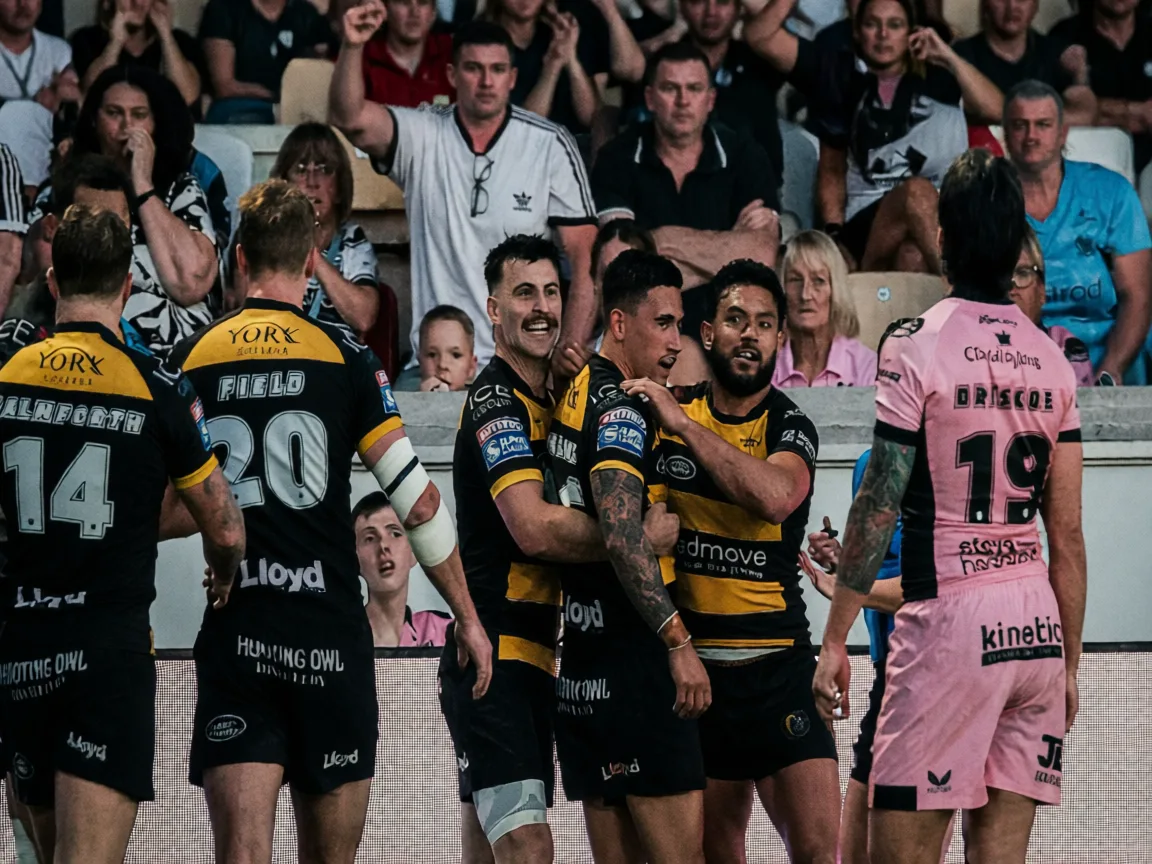
York Knights Make Super League History as Hull FC Away Crisis Deepens
York secure three straight Super League wins for the first time ever while Hull FC travel woes hit crisis point.

Azteca Altitude: The Tactical Science of Playing at 2,240 Metres
England face Mexico at Estadio Azteca, where altitude rewrites every tactical blueprint and physiological assumption.