Four Battles That Will Decide the All-Ireland Hurling Final
Liam MacCarthy glory hinges on four duels where grammar meets physics and legends are forged in eighty minutes.
Eighty minutes. That is what separates immortality from irrelevance in the All-Ireland hurling final.
Every summer, Croke Park becomes theatre, cathedral, and courtroom all at once. The Liam MacCarthy Cup sits waiting. The road to this moment is brutal. The margin for error is microscopic.
Former Antrim hurler Neil McManus has studied the tape, dissected the matchups, and identified the four key battles that will determine who lifts silverware and who leaves with nothing but regret.
This is not guesswork. It is forensic analysis from a man who lived inside the championship furnace. His breakdown reveals where the final bends and breaks. Where heroes emerge. Where seasons unravel.
The Art of the Hurling Final
Hurling is the fastest field sport on earth. The sliotar travels off the ash at speeds that make conventional reaction time look laughable. A full forward can find himself in space for half a second, and in that window, a season's ambition is decided.
What separates an All-Ireland final from every other day in the championship is pressure. Pressure that distorts speeds, narrows vision, and turns sixty-meter sideline cuts into mathematical impossibilities. The teams that conquer Croke Park are not always the most skilful. They are the most composed under suffocating examination.
McManus understands that truth at a cellular level. His career with Antrim meant surviving and occasionally thriving against the heavyweights of the game. He knows exactly where finals fracture.
"It is never about the one moment everyone remembers. It is about the forty moments nobody notices that build the platform for that one moment."
This is the framework for his analysis. Four battles. Each one a sector of the broader war. Each one capable of swinging the destination of the Liam MacCarthy Cup on its own.
Battle One: The Full-Back Line Under Siege
Every hurling team builds from the back. If your full-back line cracks, the entire structure groans. McManus zeroes in on this matchup as the foundational duel of the afternoon.
The modern full-back is no longer a stopper. He is a launchpad. His first touch must be clean enough to start an attack. His positional sense must account for runners arriving at pace from the half-forward line. And his nerve must hold when the ball drops into a crowded square with forty thousand voices screaming into his ears.
Consider the physical toll. A top-class full-forward beats his man to the sliotar roughly one in three times under ideal conditions. In a final, with adrenaline compressing decision-making windows, that ratio shifts. The defender who wins those one-on-one aerials consistently hands his team a territorial advantage that compounds across seventy-plus minutes.
The numbers are unforgiving. Teams that win the aerial battle in their own full-back line convert roughly 62 percent of possessions into clean transitions. Teams that lose it find themselves trapped in low-percentage handpass cycles that inevitably result in turnovers. The full-back line较量 is not glamorous. It is decisive.
Battle Two: The Midfield Engine Room
If the full-back line is the foundation, midfield is the engine. Hurling finals are won and lost in the middle third, where possession is negotiated at ferocious intensity and the tempo of the entire afternoon is established.
McManus points to the physical duel at centrefield as the second of his four decisive battlegrounds. This is not merely about catching puck-outs, though that skill remains fundamental. It is about what happens in the two seconds after the catch. The scan. The release. The recognition of a runner cutting through the defensive shell.
A championship-winning midfield partnership operates on a frequency that takes years to calibrate. One reads. The other reacts. They cover ground like a single organism with two hearts pumping the same blood. And in a final, they face an opponent doing exactly the same thing with equal conviction.
The statistical battleground here is telling. Elite midfielders in championship hurling average between 9 and 12 possessions per game. The quality of those possessions matters more than the quantity. A midfielder who wins eight clean balls and delivers six of them to players in space is worth more than one who collects fourteen but turns over half under pressure.
"Midfield in an All-Ireland final is about surviving the physical examination. You will get hit. You will get hit early. What you do with the ball after the hit tells the story of the day."
The Puck-Out War
A subset of the midfield battle deserves its own spotlight: the puck-out strategy. Goalkeepers in modern hurling are tacticians with helmets. Their restart decisions shape field position more than any tactical board adjustment. A short puck-out that goes wrong hands the opposition a scoring chance inside twenty seconds. A long one that is lost surrenders momentum and territory simultaneously.
The duel between the goalkeeper's accuracy and the opposing half-forward line's pressing structure is chess played at hurling speed. McManus identifies this sub-battle as one that frequently goes unnoticed in post-match analysis but is felt in every scoring sequence that follows.
Battle Three: The Half-Forward Line Connection
The third battle麦当劳 in McManus's framework is the half-forward line. This is the critical bridge in hurling, the position group that turns defensive possession into attacking threat.
A well-functioning half-forward line does three things simultaneously. It tracks runners from deep to prevent counter-attacks. It creates passing angles for midfielders looking to advance. And it converts possession into scoring chances by either shooting from distance or feeding the inside trio.
The key metric is the work rate off the ball of the half-forwards. It is invisible to the casual spectator but visible on every coaching analysis screen. A half-forward who runs twelve kilometres in a championship match, with roughly 30 percent of that distance covered at sprint intensity, provides the energy that makes the connection from defence to attack function.
The half-forward line battle is also about scoring directly. Modern hurling demands that all six forwards contribute meaningfully to the scoreboard. The era of a single market forward carrying the scoring burden is over. The team whose half-forward line contributes 0.45 to 0.60 points per play from open play in championship hurling holds a massive advantage.
When that scoring contribution drops to 0.30 or below, the full-forward line becomes isolated. Defences crowd the inside channel. Scoring opportunities shrink. Pressure builds. Mistakes multiply. The final turns.
Battle Four: The Bench and the Last Twenty Minutes
The fourth and final battle McManus identifies is the one nobody wants to talk about in the lead-up. The last twenty minutes. The bench. The finish.
Championship hurling finals are not won in the first half. They are survived. The teams enter the break level or close enough that the second half becomes a different match entirely. Legs that were fresh at the throw-in are now heavy. The skill margins narrow. Execution that looked effortless in the opening quarters becomes a struggle against fatigue and cramp.
This is where the bench matters. Not as a luxury. As a necessity.
The impact of substitutes in recent All-Ireland finals is striking. When you study the scoring trends, contributions from replacements in the final quarter account for between 15 and 25 percent of total output in closely contested finals. Five or six points from the bench in the last twenty minutes can and has swung Liam MacCarthy destinations.
"The team that finishes stronger is not always the team with better players. It is the team that managed its energy better across the whole match and trusted the reinforcements enough to use them early."
The timing of substitutions is a pressure point. A manager who waits too long to inject fresh legs risks watching his starting fifteen exhaust themselves chasing a game they no longer control. A manager who acts too early risks removing a key player just before momentum swings in his team's favour.
The bench battle is also psychological. A substitute entering an All-Ireland final carries the weight of every player he replaces. His first touch is his audition. His second is his verdict. The stadium holds its breath for that touch because everyone knows that it can shift the narrative irreversibly in either direction.
The Big Match Prediction
McManus has walked through the four battles. His analysis is comprehensive. His prediction is rooted in where those four duels converge.
The team that wins three of the four key matchups will lift the Liam MacCarthy Cup. That is not a guess. That is the historical pattern of All-Ireland finals talking. It is rare that a team wins fewer than three of these sectors and still celebrates in the Hogan Stand.
The full-back line provides the platform. Midfield supplies the tempo. The half-forward line creates the connection. The bench delivers the finish. Each one feeds the next. When all four fire, you have a performance for the ages. When three fire and one falters, you have a final that stays in the memory for different reasons.
McManus backs the team whose structures most reliably produce wins in all four sectors. His prediction reflects not just the talent on display but the systems that channel that talent under the specific, unreasonable pressure that only an All-Ireland final generates.
"In the end, the Liam MacCarthy Cup goes to the team that wins the battles nobody sees. Everyone watches the scores. The scores are just the receipts. The real final was won in the trenches."
What This Final Means Beyond the Trophy
The All-Ireland hurling final sits at the intersection of sport and identity. It represents more than a result. It is a statement about counties, traditions, rivalries, and the present generation's interpretation of an ancient craft. Every final adds a chapter to a story that stretches back well over a century.
For the players, this day is the culmination of lifetimes. They were children when they first lifted a hurley. They were teenagers dreaming of Croke Park. They were young men grinding through county championships, club seasons, and intercounty panels where only the very best survive.
The Liam MacCarthy Cup does not.Round.For them settle arguments. It elevates names into permanence. Names that will be spoken in their counties long after the boots and hurleys are stored away.
For the supporters, the final is annual pilgrimage. They travel from rural towns and city suburbs alike. They wear colours that were worn by parents and grandparents. They sing songs inherited from previous generations. They believe, every single year, that this might be the one.
When McManus talks about the four battles, he is talking about the mechanics of fulfilling that belief. The romance and the strategy are not separate. They are the same thing viewed from different angles. Every tactical decision, every positional adjustment, every substitution is an attempt to bring the dream one step closer to reality.
The Final Verdict
Croke Park will fill. The anthems will echo. The sliotar will rise. And for eighty minutes, four battles will rage inside the broader war.
The full-back lines will fight for every inch of aerial space. Midfields will crash and chase and create. Half-forwards will bridge the gap between defence and attack, trying to make the impossible look routine. Benches will rise and fall and rise again in the final quarter when legs go and hearts are tested.
Neil McManus has mapped the terrain. His prediction is set. The only thing left is the playing of the match, the writing of the story, and the lifting of the cup.
Eighty minutes to decide everything.
The four battles await.
Editorial Integrity
This is an original SportPulse article written by our editorial team. All content is independently researched, written, and reviewed by our writers and editors before publication. We do not publish copied, aggregated, or syndicated content.
SportPulse is committed to original sports journalism. Read our editorial policy or contact us with any questions.
More Like This
All long-reads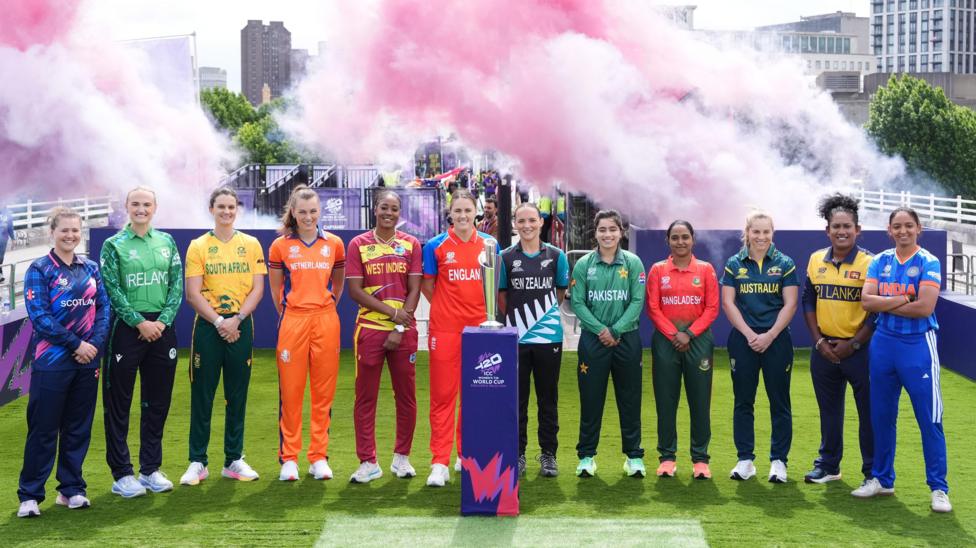
Women's T20 World Cup 2024: Every Contender, Every Threat, Every Storyline
Alex Hartley's team-by-team guide sets the stage for a tournament where Australia's dominance faces its sternest challenge yet.
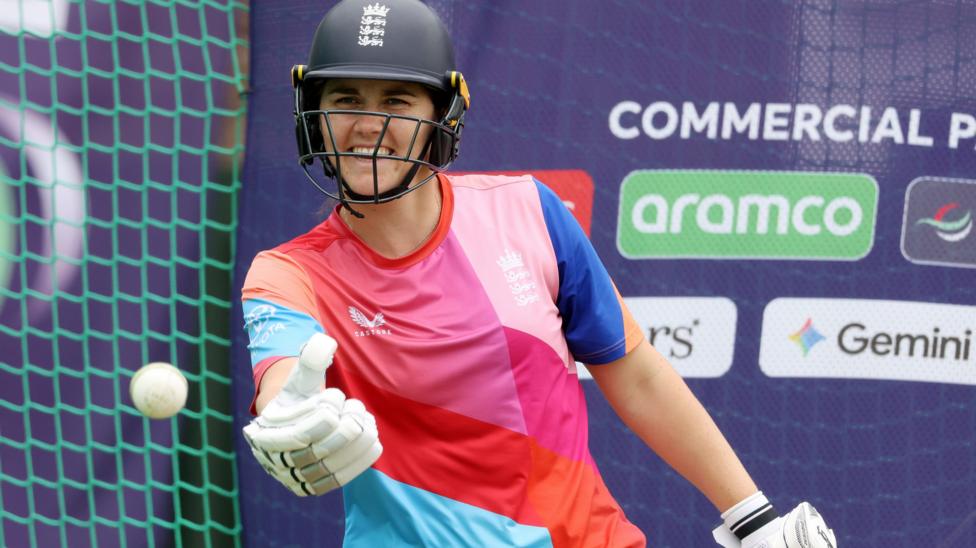
Seven Years of Hurt: England's Women Chase T20 World Cup Redemption
After seven years of near-misses and heartbreak, England's women stand on the edge of T20 World Cup glory again. This is why it matters.
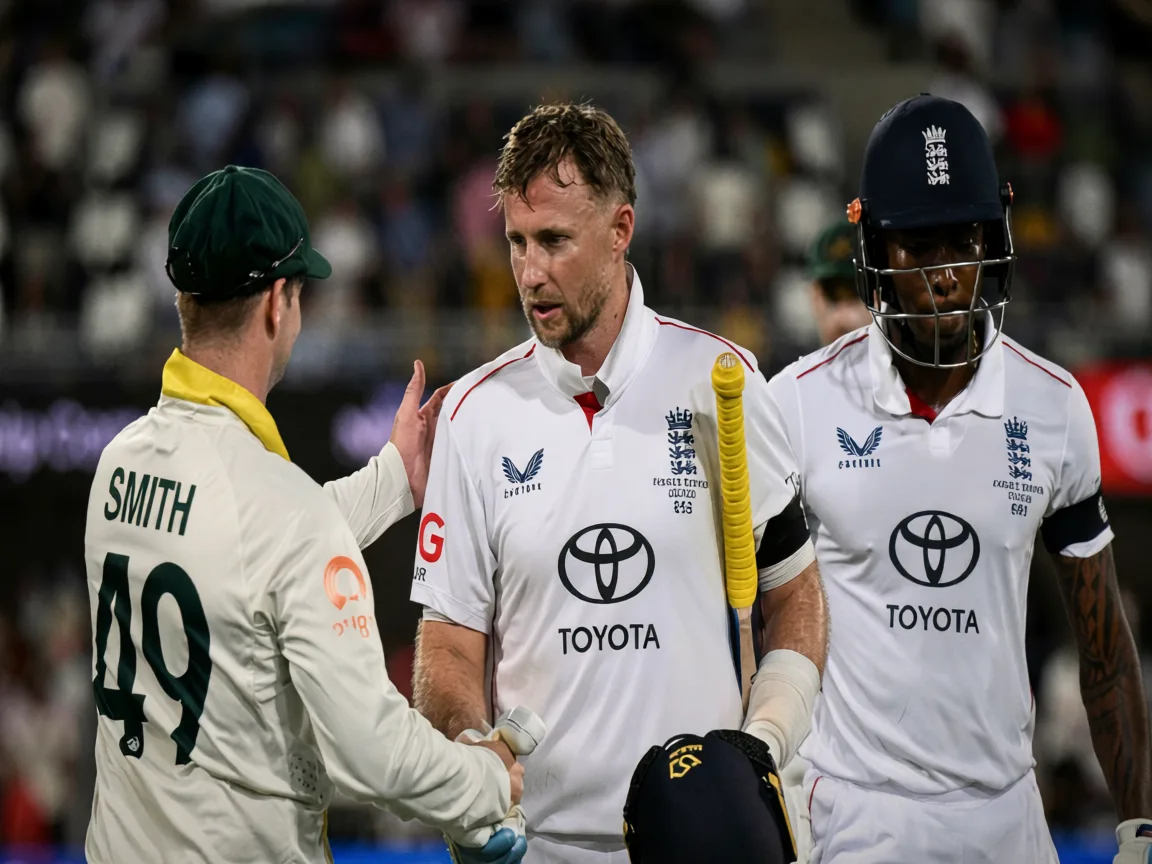
Australia Floats England Test in India to Revive Flagging Format
Cricket Australia's chief executive proposes an Ashes Test on Indian soil to boost global interest in Test cricket.