Alonso: No Upgrade Package Can Erase Aston Martin's Spa Deficit
Fernando Alonso tempers expectations on Aston Martin's long-awaited upgrades, saying the gap at Spa was too large for any single package.
Fernando Alonso assessed Aston Martin's standing ahead of the Hungarian Grand Prix with blunt realism, warning that the team's upcoming upgrade package would not erase the performance deficit exposed at Spa-Francorchamps. The two-time world champion noted that the gap to the cars ahead in Belgium was too significant for a single update to resolve.
"No package in the world will make up for the deficit Aston Martin faced to the cars ahead last time out in Belgium."
The AMR24's decline in the competitive order became evident at Spa. In 2023, Alonso secured six podiums in the first eight races as the car outperformed its development budget. This season, the team has struggled to keep pace with a midfield that continues to gain ground. Spa's combination of long straights and high-speed corners exposes aerodynamic inefficiencies: a poor downforce-to-drag ratio penalizes a car through the Eau Rouge-Radillon complex and on the run to Les Combes. Alonso's comments indicate the AMR24 lost time on both fronts.
Hungaroring practice yields positive initial feedback
Expectations shifted during Friday practice at the Hungaroring. Alonso drove the major update package on the revised AMR26 for the first time and described the car as feeling "much better" overall. This feedback contrasts with his pre-session caution and suggests the package addresses some of the platform weaknesses he identified earlier.
The challenge for Aston Martin is that upgrades must justify themselves on two timelines. The team's Silverstone wind tunnel operates under sliding scale aerodynamic testing restrictions (ATR). Having finished fourth in the 2023 Constructors' Championship, Aston Martin entered 2024 with fewer wind-tunnel runs and CFD allocations than the teams now surpassing them. Every wind-tunnel hour spent on the AMR24 is an hour not spent on the 2026 project, with Honda joining as the new power unit supplier and integration work demanding significant early investment.
The AMR24's core architecture compounds this constraint. While the 2023 car benefited from a concept optimized over multiple seasons, the current machine carries fundamental questions about its floor geometry and sidepod inlet philosophy dating back to pre-season testing in Bahrain. Incremental updates can patch surface issues but cannot close a multi-tenth gap if the underlying platform lacks peak aerodynamic load.
Alonso will be 45 years old when the 2026 season begins. His language before and after driving the updates suggests he views this upgrade cycle as a data-gathering exercise for the team's longer-term trajectory rather than a solution for 2024. The car feeling "much better" does not erase the structural gap to the front, but it gives the aerodynamics group a more encouraging baseline from which to evaluate airflow structures and extract lessons applicable to the next machine.
Updated: July 23, 2026 - Added Alonso's post-practice reaction describing the upgrade as "much better" after first running at the Hungaroring.
Editorial Integrity
This is an original SportPulse article written by our editorial team. All content is independently researched, written, and reviewed by our writers and editors before publication. We do not publish copied, aggregated, or syndicated content.
SportPulse is committed to original sports journalism. Read our editorial policy or contact us with any questions.
More Like This
All f1
Hungarian GP Bet Builder: Five Legs Built on Pace and Degradation
A five-leg Bet Builder for Budapest balances top-six finish logic with classified finisher and points-scoring picks.
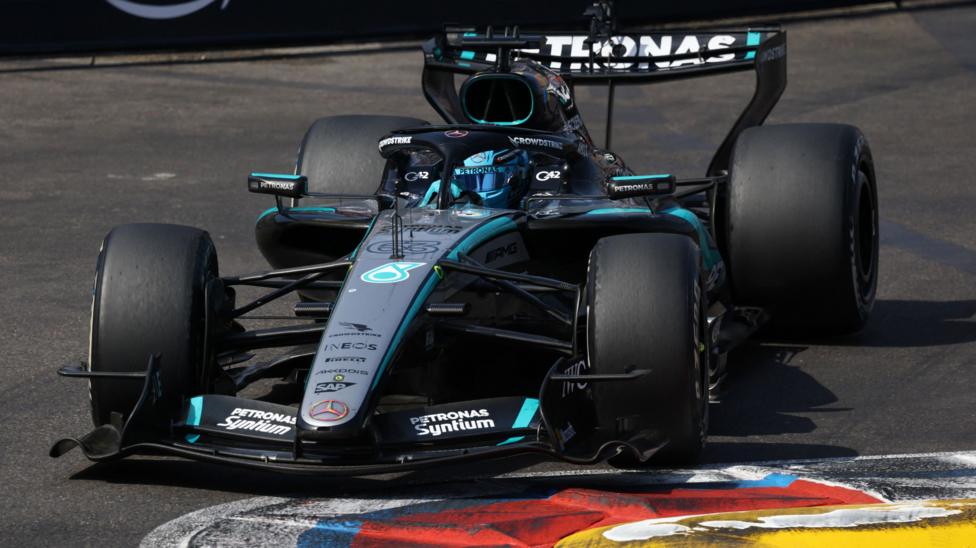
Mercedes Wave the White Flag: The Strategic Surrender Behind the Monaco Appeal Withdrawal
Mercedes' appeal withdrawal signals a calculated end to their Monaco protest and a deeper strategic pivot.
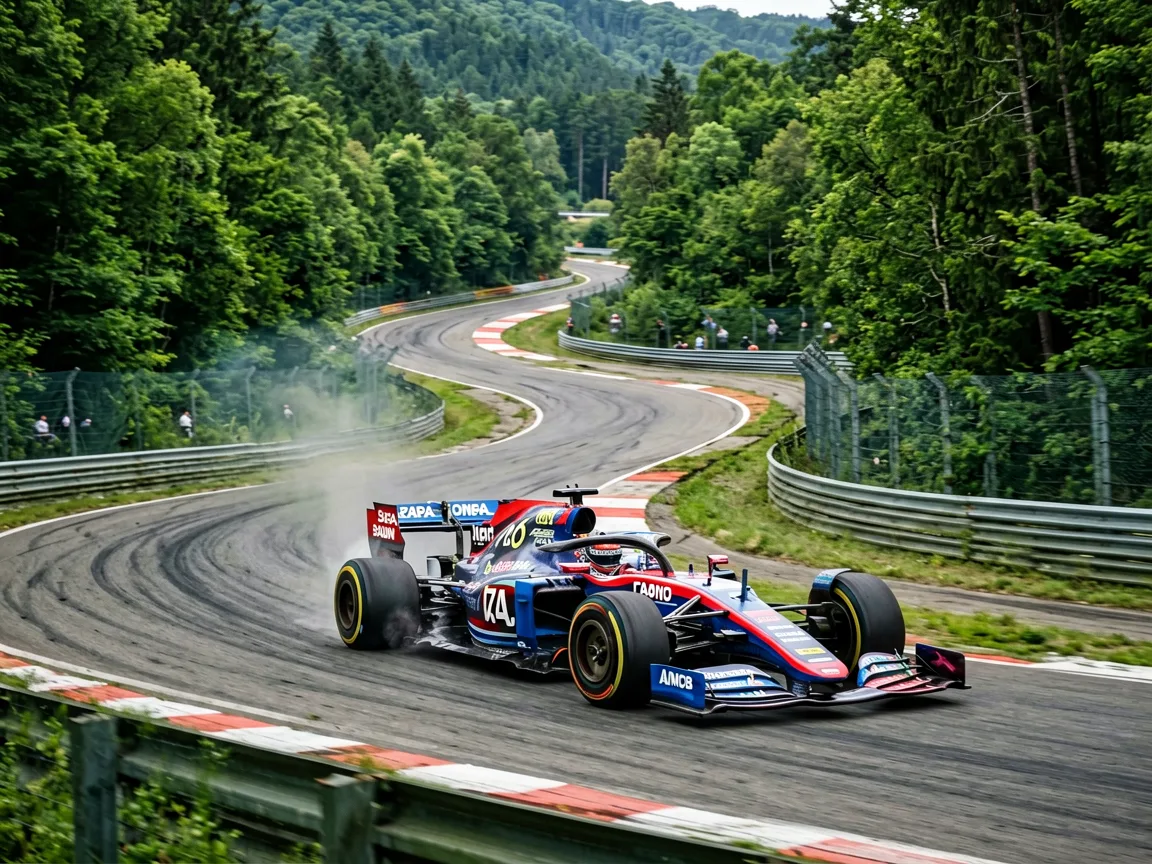
Spa's Strategic Chess Match: Why The Belgian GP Defies Predictability
Spa-Francorchamps rewards power and bravery, but winning the Belgian Grand Prix demands a strategy wall willing to gamble.