Alyssa Thomas Receives Death Threats After Clark Incident
Alyssa Thomas revealing death threats and racist abuse exposes a toxic undercurrent in WNBA fandom that the league must urgently confront.
The Ugly Side of a Breakthrough Moment
Alyssa Thomas did not sign up for this. The Phoenix Mercury forward, a cornerstone of the WNBA's veteran core, has publicly revealed she has received death threats and racist abuse following an on-court incident with Indiana Fever rookie Caitlin Clark. That a standard basketball play has escalated into threats on a player's life marks a disturbing inflection point for a league navigating unprecedented growth.
The incident itself was unremarkable by basketball standards. Physicality happens. But in the current landscape, where every Clark possession is dissected through a hypersensitive lens, a routine foul became a cultural flashpoint. The aftermath has laid bare an escalating crisis of online toxicity that the WNBA can no longer afford to treat as an acceptable side effect of its popularity.
How We Got Here
The WNBA is experiencing a paradigm shift in viewership and cultural relevance, driven largely by the arrival of a celebrated rookie class. Caitlin Clark, the most prolific scorer in NCAA Division I history, brought a massive, heavily invested fanbase with her to the professional ranks. 2.1 million viewers tuned into her regular-season debut, a figure that dwarfed typical early-season ratings.
But this influx of new viewers has fundamentally altered the ecosystem. Many of these fans are encountering the WNBA's established physicality and elite defensive schemes for the first time. What longtime followers recognize as playoff-intensity basketball, a segment of newer fans interpret as targeted malice. When Thomas, a 6-foot-2 four-time All-Star, applied defensive pressure on Clark, the reaction from certain corners of the internet was immediate and disproportionate.
The backlash quickly bypassed standard sports outrage, morphing into something far more sinister. Thomas reported receiving death threats and vile racist messages. This is not fans being passionate about their player. This is targeted harassment hiding behind the cloak of fandom.
The Anatomy of a Toxic Feedback Loop
Social media algorithms are designed to amplify engagement, not nuance. In the wake of the Thomas-Clark incident, clips stripped of context circulated widely, accompanied by incendiary framing. The dynamics are predictable: a hard foul, a slow-motion replay, an avalanche of quote-tweets, and the immediate weaponization of the moment.
- Rookie fouls drawn per game: Clark's offensive gravity naturally places her in high-contact situations, a standard reality for primary ball handlers.
- Veteran defensive win shares: Thomas has consistently ranked in the top five across the league, relying on physical, fundamentally sound defense.
- Online engagement spikes: Posts framing WNBA veterans as "jealous" of the rookie class generate exponentially higher interaction than those analyzing the actual basketball decisions.
The narrative pushed by bad-faith actors is that established players are deliberately targeting the new generation out of resentment. It is a reductive, intellectually lazy take that ignores the reality of professional basketball. Worse, it creates a permission structure for abuse. If fans convince themselves that a veteran is intentionally trying to injure a beloved rookie, they feel justified in responding with threats.
The Bottom Line: The controversy is no longer about a foul. It is about the monetization of outrage, where a player's safety becomes collateral damage in the attention economy.
The Racial Dimension
Thomas's revelation of racist abuse cannot be separated from the broader dynamics at play. The WNBA has a predominantly Black player base, while its most heavily promoted new star is white. To pretend this demographic reality does not influence the tenor of the abuse is willful ignorance.
When Black veterans are framed as aggressive enactors of violence against a white rookie, it taps into deeply rooted, ugly historical stereotypes. The criticism of Thomas's physical play carries a distinctly different weight than the criticism of a white player committing a similar foul. The racial slurs and threats Thomas received confirm that a segment of this new audience is not merely overprotective of Clark; they are weaponizing her popularity to unleash pre-existing prejudices.
"When the rhetoric crosses from criticizing a play to threatening a life and attacking a race, we are no longer in the realm of sports."
The WNBA has long prided itself on being a progressive space that empowers its athletes. That empowerment is meaningless if the league fails to build a protective infrastructure around its veterans when they are subjected to hate campaigns.
The League's Responsibility
The WNBA and its broadcast partners have enthusiastically embraced the ratings surge. They have marketed the rookie class aggressively, and rightfully so. Popularity drives revenue, and revenue secures the league's long-term financial health. But you cannot harvest the benefits of heightened attention without assuming the duty of care for the players subjected to its dark side.
The league's response to online harassment has been largely passive. Standard statements condemning hate are insufficient when the threats are specific, targeted, and persistent. The WNBA must collaborate with its broadcast partners and major social media platforms to identify and ban abusive accounts. More critically, it must provide tangible security and mental health resources for players like Thomas who find themselves in the crosshairs.
Failing to act decisively sends a dangerous message: that the league will tolerate collateral damage as long as the metrics trend upward. It implicitly tells veteran players that their safety is subordinate to the spotlight of the rookies they are guarding.
Verdict: The WNBA must transition from benefiting from the attention economy to actively policing its worst actors, or it risks losing the core identity that made its product worth watching in the first place.
What This Changes Moving Forward
The relationship between the league's veterans and its hyped rookies has been fundamentally altered. Every physical play will now be scrutinized not just by referees, but by a digital jury ready to dispense mob justice. Defensive players will face an impossible calculus: play soft and fail at their job, or play hard and invite a torrent of threats.
This reality impacts coaching strategies. How do you game plan against a star player when you know that standard defensive physicality might trigger a wildfire of digital abuse against your roster? The psychological burden placed on players like Thomas is immense, and it is an unfair tax levied on veterans for simply doing their jobs.
Furthermore, this sets a dangerous precedent for future rookie classes. If mob enforcer tactics successfully intimidate veteran players, the league will see a degradation of the very defensive intensity that makes the professional game elite.
Defending the Game
Alyssa Thomas is a four-time All-Star, an All-WBA selection, and one of the most formidable defenders of her generation. She earned her place in this league through years of relentless work and elite performance. That her career is now being defined for a segment of the public by a single foul, and that she has to endure death threats as a result, is a grotesque distortion of what sports should be.
The WNBA is at a commercial crossroads. The product on the floor has never been more compelling or more visible. But the culture around it is fracturing under the weight of its own rapid expansion. If the league wants to be seen as a premier professional sports organization, it must protect its players as fiercely as it promotes its stars. Otherwise, the breakthrough moment will be remembered as the moment the league lost control of its own house.
Editorial Integrity
This is an original SportPulse article written by our editorial team. All content is independently researched, written, and reviewed by our writers and editors before publication. We do not publish copied, aggregated, or syndicated content.
SportPulse is committed to original sports journalism. Read our editorial policy or contact us with any questions.
More Like This
All basketball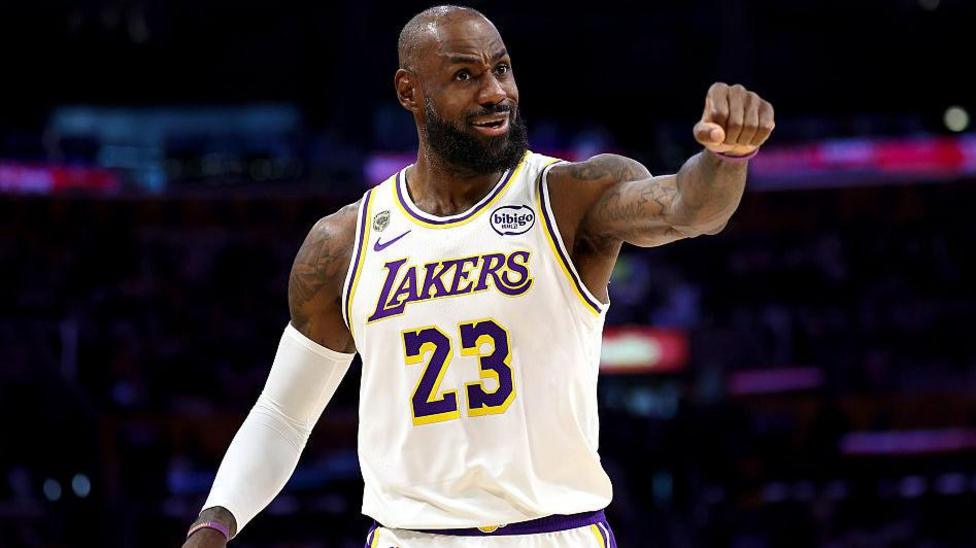
LeBron's Final Chapter: The Stakes of Free Agency at 40
LeBron James enters free agency for the last time, and the decision will define how his unparalleled career closes.
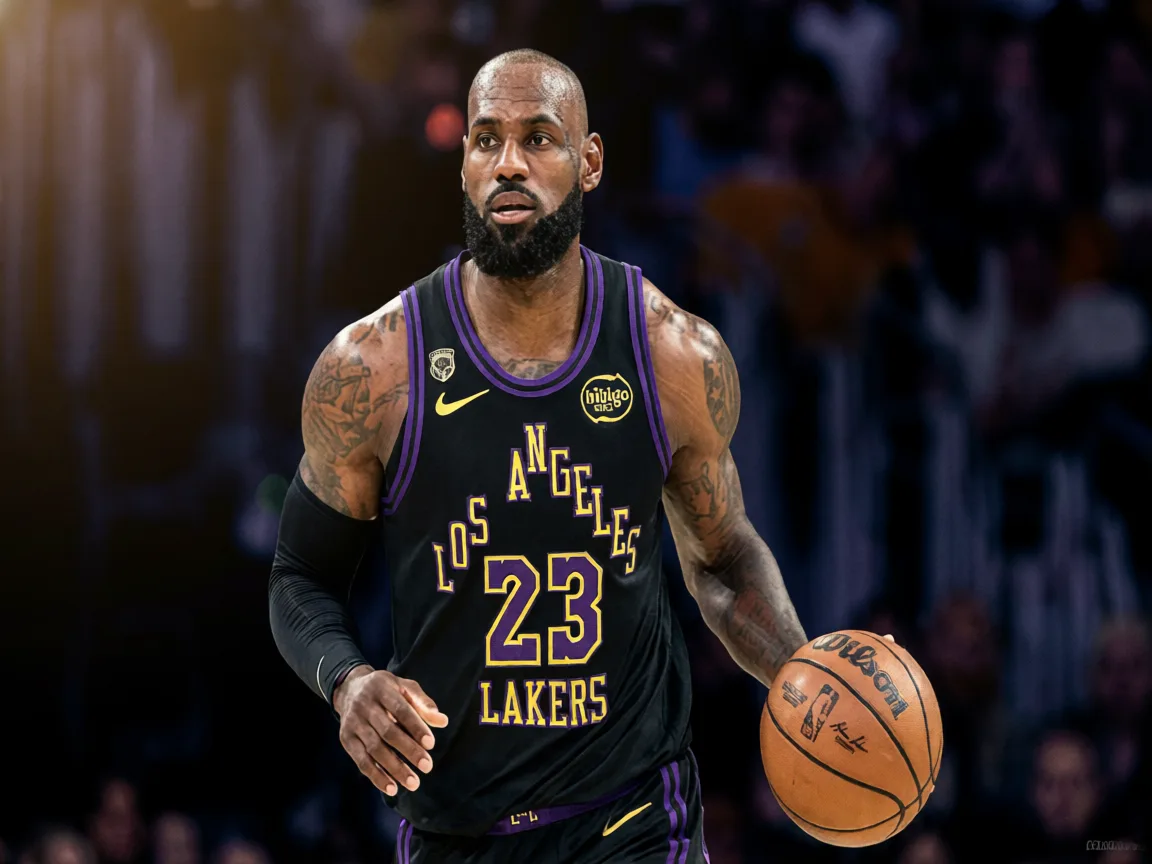
Heat Accidentally Post LeBron James Introductory Video Before Decision
Miami Heat jumped the gun with a LeBron James introductory press conference video on YouTube before he committed.
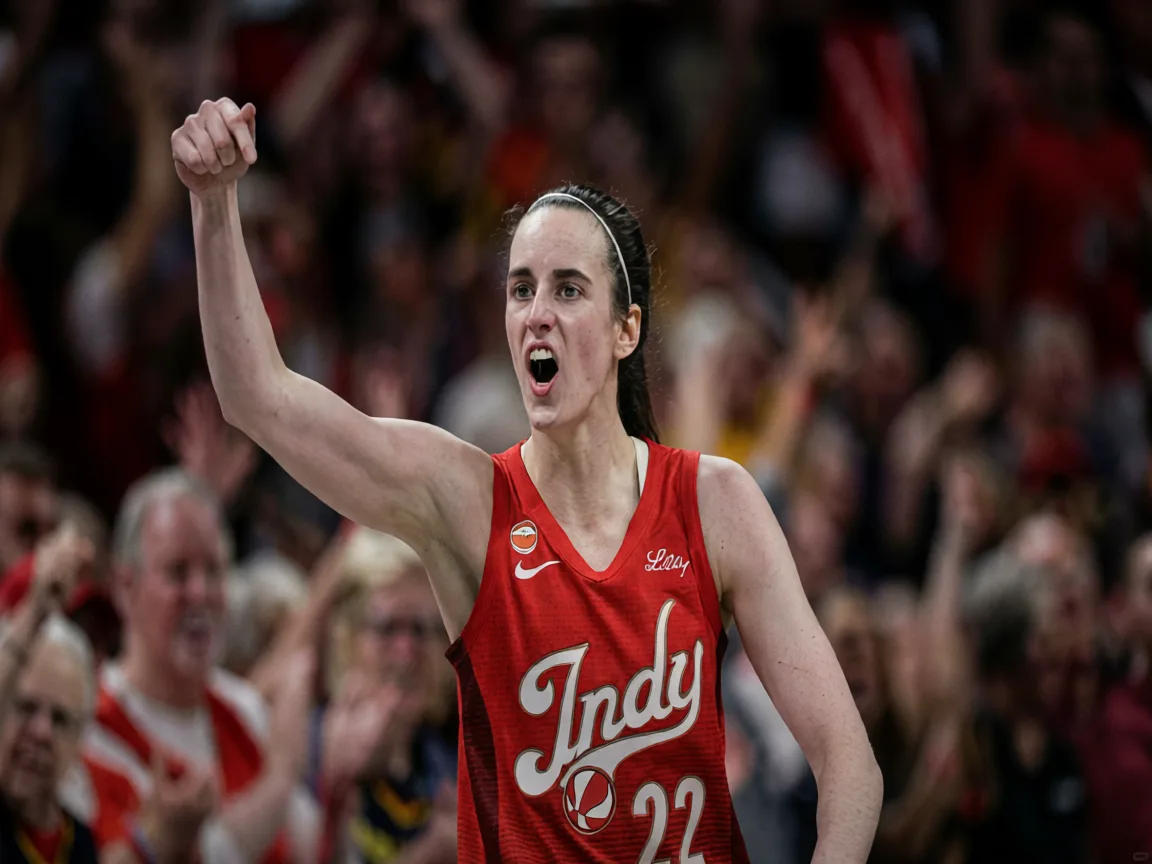
Caitlin Clark's 45-10 Night Rewrites the WNBA Record Books
Caitlin Clark became the first WNBA player ever to post 40-plus points and 10 assists in a single game, silencing doubters with a historic masterpiece.