Ancelotti's Brazil Mission: Chasing Immortality in Gold and Green
Carlo Ancelotti arrives to lead Brazil, chasing an unprecedented sixth World Cup crown and eternal footballing glory.
Carlo Ancelotti has conquered Europe. Now he wants to conquer the world from a different vantage point. The most decorated manager in Champions League history is preparing to take the reins of the Brazil national team. It is a move that transcends routine career progression. This is a quest to cement his legacy as the greatest football mind of all time.
Brazilian football has been stuck in a painful loop since 2002. That year in Yokohama remains the last time the Seleção lifted the World Cup. A staggering 22-year drought for a nation that treats the sport like a religion. The traumas of 2014 and the quarter-final exits of 2018 and 2022 have left deep psychological scars. Brazil is desperate for a healer.
Enter Ancelotti. The Italian is not just a safe pair of hands. He is the ultimate playoff winner, a manager who consistently delivers when the lights are brightest. His agreement to take over the national team after his Real Madrid contract concludes is paradigm-shifting. European club dominance has been his hallmark. South American international football is an entirely different beast.
The Unmatched Resume
The numbers are simply absurd. Ancelotti owns five Champions League titles as a manager. Nobody else has more than three. He has won league championships in all of Europe's top five leagues. France, England, Italy, Germany, and Spain have all bowed to his tactical pragmatism and man-management genius. He has built and rebuilt dynasties across three different decades.
Yet the World Cup is the one trophy missing from his staggering mantelpiece. Elite European managers rarely venture into the CONMEBOL wilderness. The logistical hurdles, the political interference, and the sheer distance from the continent's power corridors keep them away. Ancelotti is actively choosing this chaos. It speaks volumes about his insatiable appetite for the ultimate challenge.
Brazilian fans crave the hexagonal, the coveted sixth world title. They have watched neighboring Argentina capture glory in Qatar. The pressure to match their bitter rivals and re-establish continental supremacy is suffocating. Ancelotti represents the most expensive, high-stakes roll of the dice in football history. The Brazilian Football Confederation is putting all its chips on the grandest managerial stage available.
The Tactical Shift
Modern Brazil possesses staggering individual talent. Vinícius Júnior, Rodrygo, and Endrick currently light up the very stadium Ancelotti calls home. But the national team has lacked systematic cohesion for years. Tactically, Brazil has too often looked like a disjointed collection of superstars relying on moments of individual magic. The defensive structure has been porous. The midfield has frequently been overran by disciplined European opponents.
Ancelotti's genius lies in his flexibility. He is not married to a rigid ideology like Pep Guardiola. He studies the room and builds the system around the available talent. In Milan, he built an impenetrable wall around Kaka. At Real Madrid, he constructed a devastating transition machine for Cristiano Ronaldo and later Karim Benzema. Expect him to quickly identify the core of this Brazil squad and strip away the tactical clutter that has plagued recent tournaments.
The immediate priority will be soldering the disconnect between Europe-based stars and domestic talents. Ancelotti must forge a cohesive unit that can withstand the grueling, often brutal nature of CONMEBOL qualifying. These are not sterile European qualifiers played on pristine pitches. Ecuador at altitude in Quito, the hostile cauldron of Buenos Aires, and the boiling heat of Barranquilla will test his squad's resolve and his own adaptability.
The Weight of a Nation
Inside the Brazilian dressing room, the atmosphere will shift the moment Ancelotti crosses the threshold. Picture the scene at the Granja Comary complex in Teresópolis. The air is thick with decades of expectation. Players who are superstars at Real Madrid and Barcelona suddenly look like schoolkids awaiting the headmaster. Ancelotti enters with his trademark calm, but his gaze carries the unmistakable authority of a man who has lifted the biggest trophies in the sport. His mere presence instantly commands a silence that recent predecessors could never engineer.
"The World Cup is the biggest tournament in the world. To win it, you need a team that knows how to suffer together and then produce magic at the right moment. That is what Brazil has always been, and that is what we must become again."
Brazilian football has always danced to its own rhythm. The question is whether a European tactical pragmatist can harmonize with that cultural identity. Ancelotti's history suggests he will not crush the Brazilian flair. He will attempt to build a structured shell around it. He will provide the defensive discipline and game management that allows the attacking stars the freedom to dance without fear of exposure.
This is where his deep relationships with the current generation become invaluable. He already knows precisely how to extract maximum output from Vinícius Júnior. He understands Rodrygo's capacity for big moments. He is intimately familiar with Eder Militão's world-class defensive attributes. These established relationships remove the usual transition period that plagues incoming national team coaches. Trust is already banked.
The Ugly Side of the Sideshow
But Brazil is not just a football team. It is a political machine. The CBF is notorious for its internal power struggles and rapid coaching changes. Ancelotti will have to navigate bureaucratic interference and the relentless media microscope that scrutinizes every squad selection. The clamoring for domestic-based players to get minutes, the lobbying from powerful European clubs, and the sheer weight of 200 million armchair managers will test his legendary patience.
He must also reverse a deeply ingrained psychological fragility. Brazil has too often frozen on the global stage when confronted by European structure and intensity. The tactical naivety shown against Croatia in the 2022 quarter-finals was a glaring red flag. Ancelotti's greatest tactical attribute is actually his emotional management. He makes players believe they are the best on the planet, shielding them from external noise and fostering an unshakeable inner confidence. This is precisely the psychological upgrade Brazil desperately requires.
The Copa América in the United States will serve as the critical dress rehearsal. Expectations will already be sky-high. Anything less than a final appearance will be viewed as a failure by the merciless Brazilian press. Ancelotti must use the tournament to implement his system, solidify his hierarchy, and deliver an early statement of dominance.
What It Means
This appointment signals the end of an era for international football. The gap between the European club game and the international scene has widened dramatically in recent years. Securing a manager of Ancelotti's caliber is a massive coup that immediately alters the global landscape. Brazil has acquired a tactical assassin with unparalleled experience in winner-takes-all scenarios. For Ancelotti, it is the ultimate high-wire act. A World Cup triumph with Brazil would elevate him beyond any debate about the greatest manager in history. It would complete the sport's most impressive resume. Failure, however, would leave a complicated stain on a pristine career. The quest for the hexagonal begins now, and the stakes have never been higher.
Editorial Integrity
This is an original SportPulse article written by our editorial team. All content is independently researched, written, and reviewed by our writers and editors before publication. We do not publish copied, aggregated, or syndicated content.
SportPulse is committed to original sports journalism. Read our editorial policy or contact us with any questions.
More Like This
All football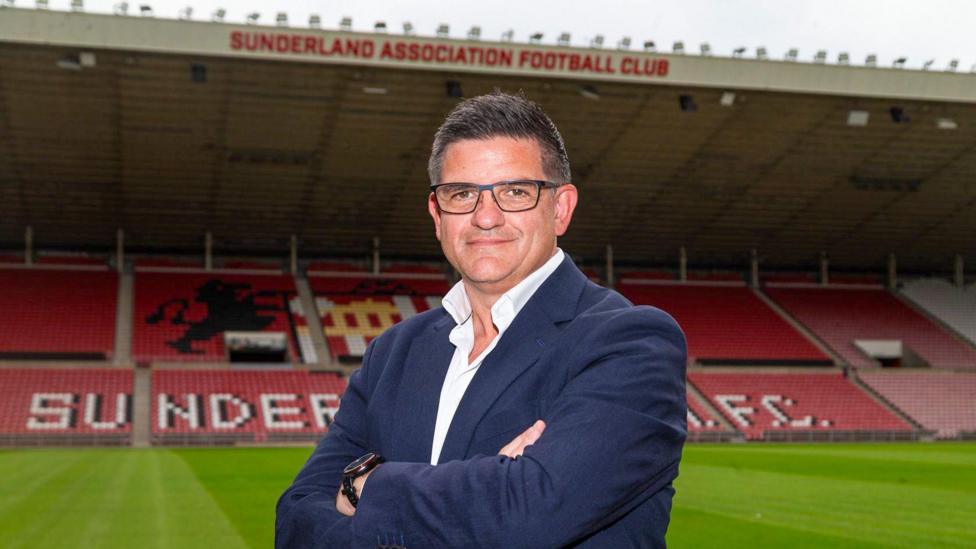
Sunderland Women Bet on FA's James Gray to Lead Bay Collective Era
Sunderland Women appoint FA executive James Gray as CEO, signaling Bay Collective's intent to transform a sleeping giant of women's football.
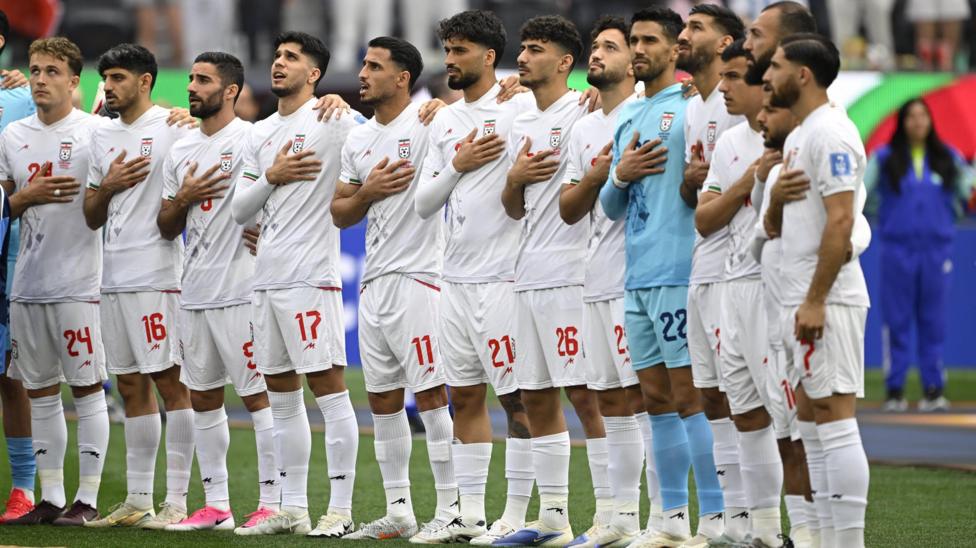
Iran's Peace Note After Belgium Draw Is Football Diplomacy at Its Most Powerful
Iran's handwritten peace message after their World Cup draw with Belgium transcends sport in a divided world.

David Villa: The Striker Who Fueled Spain's Golden Era
David Villa opens up about Spain's World Cup triumph, his bond with Messi, and a career that defined a generation.