Ancelotti's Quiet Genius Has Brazil Believing Again
Carlo Ancelotti's calm authority is transforming Brazil into a World Cup force — and Japan are next in his sights.
The Mister Never Shows His Hand
Carlo Ancelotti doesn't do theatrics. He doesn't slam water bottles, berate the fourth official, or hold post-match press conferences laced with grievance. He prepares, he observes, and when the moment demands it, he makes a single substitution or tactical tweak that bends the match to his will.
Brazil face Japan on Monday in the 2026 World Cup, and the man in charge of the Seleção has a plan. He always has a plan. For anyone outside the dressing room, deciphering what that plan looks like before kickoff is nearly impossible. For those inside it, the picture is crystal clear.
That clarity is what makes Ancelotti one of the most decorated managers in football history. Five Champions League titles across two continents, league crowns in England, Spain, Germany, France, and Italy. And now, a nation of 215 million people hanging on his every decision as Brazil chase a sixth World Cup star.
The Night That Changed Everything
To understand what Ancelotti does behind closed doors, you have to understand moments like the 2022 Champions League semi-final at the Santiago Bernabéu. Real Madrid were trailing Manchester City 1-0, with over 60,000 fans watching the air drain out of their season.
A player on the Madrid bench felt a tap on the shoulder. Ancelotti leaned in, calm as a man ordering coffee, and delivered his instruction: get on the pitch, play aggressively, and decide the match. No tactical diagram. No panic. Just trust.
The player entered in the 68th minute. By the 90th minute, he had equalized. Sixty seconds later, he scored again to force extra time. Madrid advanced, then beat Liverpool in the final in Paris. A legacy-defining European campaign that owed everything to a coach's instinct and a player's belief in that instinct.
"I bring up this moment to highlight how important coaches are to a team's journey and how decisive they are in a player's career, doing work that often goes unseen by the public."
That quote, from the player who lived it, cuts to the heart of the Ancelotti method. The public sees the trophies. They don't see the quiet word at halftime, the eye contact before a substitution, the way he shields his squad from the weight of expectation.
What Ancelotti Brings to Brazil
The appointment itself was seismic. Brazil had cycled through coaches since their 2022 World Cup quarterfinal exit to Croatia, none of whom could restore the swagger that defines the Seleção's identity. Ancelotti walked into a football culture that demands beauty and results in equal measure and offered something different: composure.
His Brazil side don't play with the frenetic flair of the 2002 generation or the high press of Tite's best teams. They play with patience, structure, and devastating timing. The front line is given freedom, but it's a freedom built on a defensive shape that Ancelotti has drilled relentlessly since taking over.
Vinícius Júnior, who thrived under Ancelotti at Real Madrid, has been the attacking centrepiece. The understanding between coach and winger is almost telepathic at this point. Ancelotti knows exactly when to push Vinícius wide, when to let him drift inside, and when to pull him off to protect a lead. That kind of trust between a manager and a star player doesn't happen by accident.
The midfield has been reshaped around balance rather than flair alone. Ancelotti demands that at least one midfielder holds position at all times, creating the platform for Brazil's attacking talent to operate without defensive anxiety. It's not revolutionary, but it's exactly the kind of discipline Brazilian midfielders have historically resisted.
The Dressing Room Factor
Walk into any Ancelotti dressing room and you'll feel the same thing: calm. Players who have worked under him describe an environment where mistakes are absorbed, not punished. Where senior players are treated as partners, not subordinates. Where the fear of failure, that psychological weight that has crushed so many talented Brazil squads at major tournaments, is replaced by clarity of role.
This matters enormously for a squad carrying the pressure of an entire football-obsessed nation. Brazil haven't won a World Cup since 2002. The drought is long enough to generate genuine anxiety among a fan base that considers anything less than the trophy a failure.
Ancelotti doesn't address that pressure with motivational speeches. He addresses it by making football feel simple again. Pass here. Move there. Trust the shape. Win the match.
Japan: A Genuine Test
Monday's opponents are no pushovers. Japan have been one of the most improved international sides over the past four years, with a generation of players competing at elite European clubs and a tactical sophistication that caught Germany and Spain off guard in Qatar.
They press high, move the ball quickly through midfield, and have the kind of organizational discipline that can frustrate technically superior sides into mistakes. Against a Brazil team still fine-tuning its patterns under Ancelotti, Japan represent exactly the kind of trap game that has tripped up tournament favourites before.
The key question is whether Ancelotti will deploy his more conservative setup or unleash Brazil's attacking potential from the start. Based on his career pattern, expect something in between: a controlled opening, a reading of the game's rhythm, and then a decisive intervention around the hour mark.
"For anyone outside the dressing room it is hard to predict what the Mister will do but he will be prepared."
That sentence, spoken by someone who has lived inside Ancelotti's tactical world, is both a warning and a promise.
What It Means
Brazil at a World Cup under Carlo Ancelotti is one of the most intriguing experiments in modern international football. A coach who has won everything the club game can offer, now tasked with ending a 24-year World Cup drought for the most successful nation in the tournament's history.
Monday's match against Japan is not a final, but it is a statement opportunity. Ancelotti will have studied Japan exhaustively. He will have identified their weaknesses, prepared his squad for their strengths, and written a tactical plan that accounts for every scenario.
Then, at some point during the match, he will lean over to a player on the bench, speak a few quiet words, and change the game. That's what the Mister does. He always has a plan.
Editorial Integrity
This is an original SportPulse article written by our editorial team. All content is independently researched, written, and reviewed by our writers and editors before publication. We do not publish copied, aggregated, or syndicated content.
SportPulse is committed to original sports journalism. Read our editorial policy or contact us with any questions.
More Like This
All football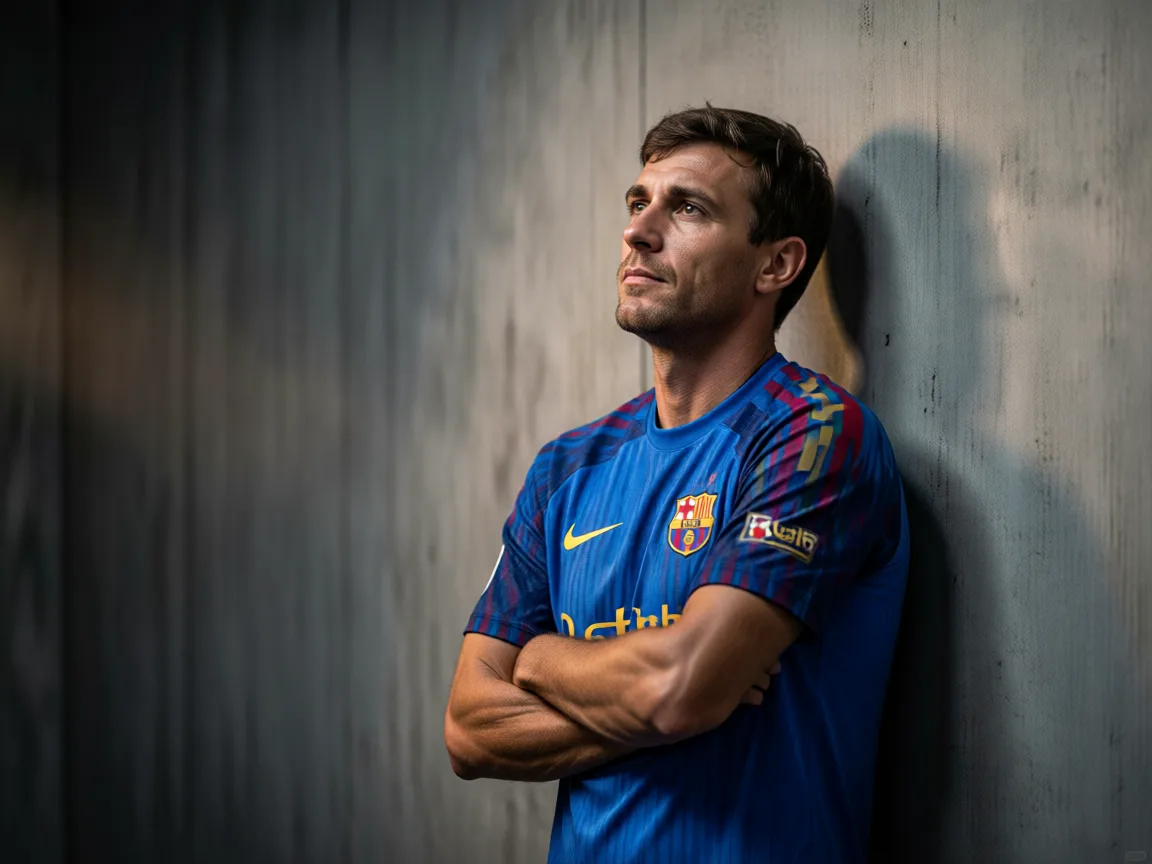
Rodri: The Brain Leading Spain's World Cup Charge
Ballon d'Or winner Rodri Hernández is studying tape, logging 9,000 miles, and preparing Spain for a colossal semi-final clash with France.
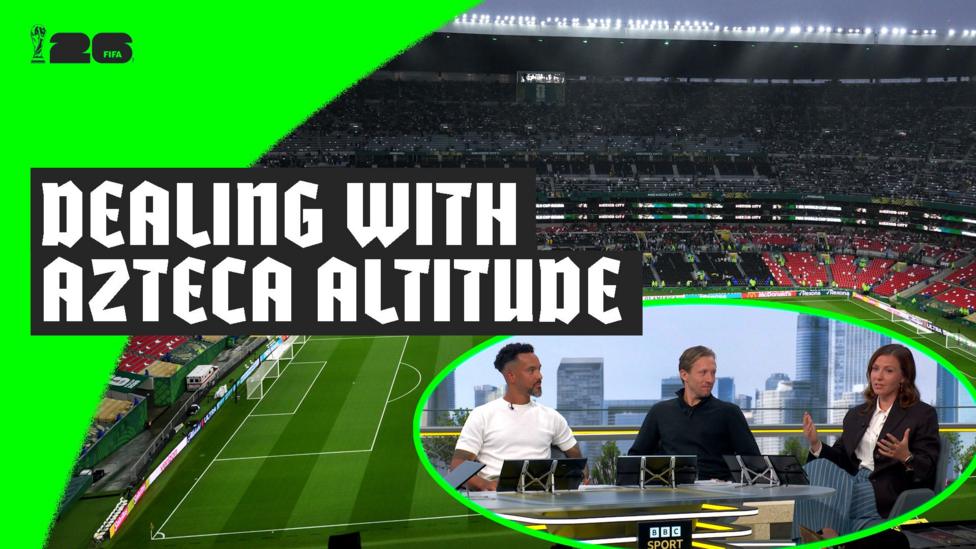
Azteca Altitude: The Tactical Science of Playing at 2,240 Metres
England face Mexico at Estadio Azteca, where altitude rewrites every tactical blueprint and physiological assumption.
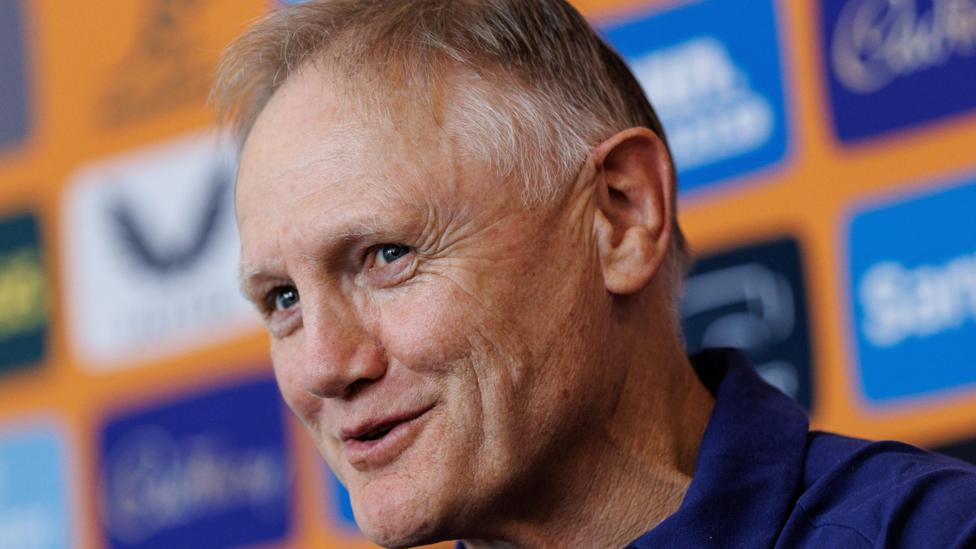
The Master Builder Walks Away: Schmidt Closes Every Door
Joe Schmidt rules out a Leinster homecoming and ends his international coaching career, leaving a towering legacy behind.