Anton Ferdinand Steps Into Management at Hornchurch — A Fresh Start in Familiar Territory
Former West Ham defender Anton Ferdinand launches his coaching career at National League side Hornchurch alongside Robert Lee.
The Defender Who Walked Through Fire
There was a time when Anton Ferdinand couldn't escape a football pitch without the conversation turning toxic. The 2011 racism storm with John Terry consumed him, defined him in the eyes of a public that didn't care to know the full man. His name became a case study, a headline, a courtroom reference. The footballer underneath — a product of West Ham's academy, a boy from Peckham who carved out a professional career across eight clubs and over 300 senior appearances — got buried beneath the noise.
Now, quietly and without fanfare, Ferdinand is stepping back into the game he never fully left. Hornchurch FC, the Essex-based National League side, have announced the former centre-back as part of their coaching setup, working alongside former Newcastle and England midfielder Robert Lee. It is Ferdinand's first official coaching role. And it matters far more than the headline suggests.
Why Hornchurch, Why Now
The choice of Hornchurch is neither accidental nor desperate. The club, based in Upminster and competing in English football's fifth tier, have been methodically building something behind the scenes. The appointment of Robert Lee — a man who made over 300 appearances for Newcastle United and earned 21 England caps — signaled intent. Adding Ferdinand to that structure tells you Hornchurch aren't collecting names. They're building a coaching philosophy.
For Ferdinand, the National League represents fertile ground. It is raw, physical, tactically unforgiving in ways that Premier League academies are not. For a man learning his craft, there is arguably no better classroom. You don't get the luxury of a £200 million squad here. You get grafters, semi-professionals, and players who need coaching rather than managing egos.
"The best coaches I've seen didn't start at the top. They started where the margins are razor-thin and the work ethic has to compensate for what the budget can't." — Common refrain among non-league football observers
The Ferdinand Football DNA
To understand what Anton Ferdinand might bring to a coaching dugout, you have to understand the environment that shaped him. He came through West Ham's academy during a golden period for youth development at Upton Park. His brother, Rio Ferdinand, was already an established England international and Premier League champion by the time Anton broke into the first team. The family's footballing pedigree runs deep, rooted in South London's uncompromising grassroots scene.
Anton's playing career took him from West Ham to Sunderland, then to QPR during a turbulent era for the club, followed by stints in Turkey, Thailand, and eventually a return to the English lower leagues. That journey — the highs, the chaos of QPR's Premier League implosion, the anonymity of overseas moves — gives him a coaching perspective that few academy graduates possess. He has seen football from every possible angle.
What the Playing Record Tells Us
- West Ham United: Broke into the first team as a teenager, made over 60 Premier League appearances
- Sunderland: Signed for a reported £6 million in 2008, played regularly in the top flight
- QPR: Captained the side during a period of significant instability
- International experience: Represented England at U21 level
- Lower league career: Finished his playing days in the English non-league system
The Shadow of 2011 — And the Strength to Move Past It
Any honest profile of Anton Ferdinand must reckon with the John Terry racism incident. In October 2011, during a match between QPR and Chelsea, Ferdinand became the centre of a firestorm that stretched far beyond football. Terry was ultimately found guilty by an FA regulatory commission of using racist language, receiving a four-match ban and a £220,000 fine. The criminal case had earlier ended in acquittal.
The toll on Ferdinand was immense and largely invisible. He has spoken about the mental health impact, the way it affected his career trajectory, and the sense that football never truly protected him. While the game moved on — Terry continued playing, continued winning — Ferdinand's career entered a slow decline that many attribute, at least in part, to the psychological weight of the episode.
That context makes this coaching appointment feel like more than a career move. It's a reclamation. Ferdinand is walking back into professional football not as a player haunted by controversy, but as a man with something constructive to offer.
Behind the Appointment: What Hornchurch Are Building
Transfer Intel
This isn't a vanity hire. Hornchurch's recruitment strategy reflects a broader trend in the National League, where ambitious clubs are leveraging the experience of former professionals to gain a competitive edge. The model works both ways: clubs get credibility and tactical knowledge, while former players get a platform to develop coaching credentials outside the suffocating spotlight of the Premier League ecosystem.
Robert Lee's presence as a senior figure provides stability. Ferdinand, at a younger stage of his coaching journey, brings energy and a connection to the modern game. The dynamic between the two could prove particularly effective in player development — Lee offering gravitas and experience, Ferdinand offering relatability and tactical freshness.
The financial structure of the appointment has not been disclosed, but National League coaching roles are modest in compensation. This is not about money for Ferdinand. It is about proving something to himself and to a football world that largely wrote him off years ago.
The Bigger Non-League Coaching Trend
Ferdinand is not alone. The National League and its surrounding tiers have become a proving ground for former professionals seeking coaching careers. The pathway is increasingly visible: play at the highest level, step away, earn your badges, and start in non-league where the pressure is different but the football is real.
Kevin Nolan managed Leyton Orient and Notts County. Jamie Vardy has invested in and influenced operations at various non-league levels. Sol Campbell took Macclesfield Town before moving to Southend. The list grows each season.
What separates those who succeed from those who treat it as a stopgap is commitment. Ferdinand, by choosing a club of Hornchurch's stature rather than waiting for a more glamorous opportunity, suggests he understands that. The National League demands presence. It demands Tuesday night trips to Ebbsfleet in the rain. It demands respect for a level of football that most former Premier League players consider beneath them.
What Success Looks Like
For Hornchurch, the immediate goal is consolidation and progress in the National League. Any club at this level operates on thin margins — a few injuries, a bad run of form, and the season unravels quickly. Ferdinand's defensive expertise could prove invaluable in tightening a backline and instilling the kind of positional discipline that separates mid-table from the playoff places.
For Ferdinand personally, success is defined differently. He needs to learn. He needs to make mistakes in an environment where they won't generate national headlines. He needs to build a coaching identity that is entirely his own, distinct from the Ferdinand name and untainted by the controversies that marked his playing days.
"The pitch doesn't care about your past. It only cares about your preparation." — A coaching maxim that Ferdinand would do well to internalise
The Road Ahead
There is no guarantee this works. Coaching is a brutal profession with a short shelf life for underperformers. Ferdinand enters it with no track record and a public profile that cuts both ways — it brings attention, but it also brings scrutiny.
What he does have is experience across multiple footballing cultures, an understanding of what it means to fight for your place, and the emotional intelligence that comes from surviving a career defined as much by off-field adversity as on-field achievement.
Hornchurch have made a statement. Whether it translates into results remains to be seen. But in a sport obsessed with the next big managerial appointment at the elite level, there is something compelling about a man rebuilding his relationship with football one training session at a time in Essex.
Anton Ferdinand is back. And this time, he's writing his own story.
Editorial Integrity
This is an original SportPulse article written by our editorial team. All content is independently researched, written, and reviewed by our writers and editors before publication. We do not publish copied, aggregated, or syndicated content.
SportPulse is committed to original sports journalism. Read our editorial policy or contact us with any questions.
More Like This
All football
Álvarez's 25-Yard Stunner Breaks Swiss Resistance and Sets Up England Semi-Final
Julián Álvarez's extra-time rocket sends Argentina past 10-man Switzerland and into a semi-final against England.

Arsenal Secure Stanway: The WSL Signal That Changes Everything
Arsenal poach Georgia Stanway from Bayern Munich, signaling urgent intent and shifting WSL power dynamics ahead of a pivotal season.
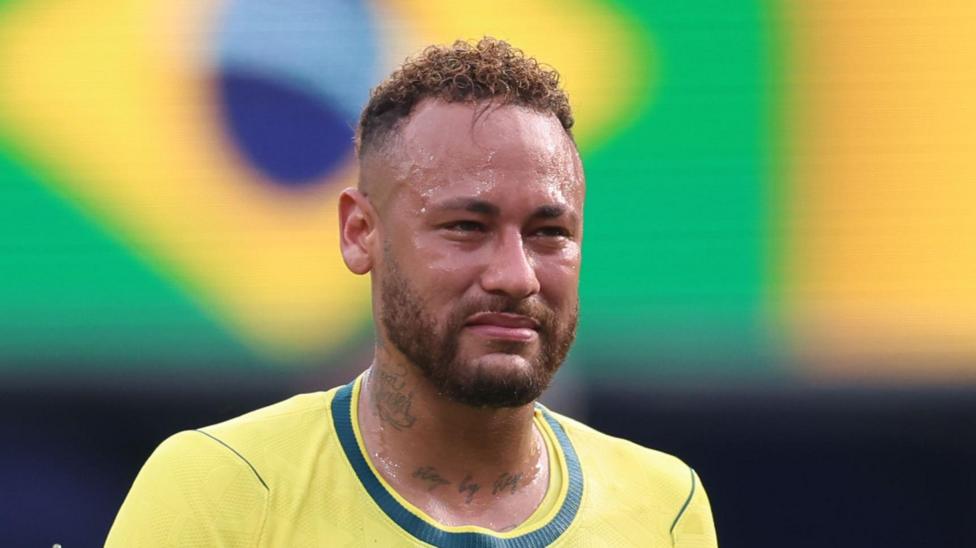
Neymar Calls Time on Brazil After Norway Ends World Cup Dream
An emotional Neymar declares his Brazil career over after Norway eliminates Selecao from the 2026 World Cup.