Argentina's World Cup Final Meltdown Shames Messi's Legacy
Spain conquered the World Cup but Argentina's post-match violence stole the headlines, turning a coronation into a controversy.
The Final Whistle That Changed Everything
The referee's final whistle was supposed to signal Spain's coronation.
Instead, it detonated a bomb.
A 1-0 defeat in a World Cup final is devastating enough. But what unfolded at the end of football's grandest stage was a level of chaos rarely seen even in the sport's most heated moments.
Argentina, staring at defeat, lost their collective composure.
The images that flashed across billions of screens worldwide were not of Spanish jubilation or Argentine heartbreak.
They were of fists being thrown. Of throats being grabbed. Of football's grandest theater degenerating into a street brawl.
When the Mask Slipped
Leandro Paredes and Nahuel Molina let their emotions completely override their professionalism.
The camera lenses captured the unspeakable. Both players were seen throwing punches at Spanish players after the final whistle had blown and the match officially concluded.
This was not a heat-of-the-moment tangle during a dead ball.
This was a post-match ambush.
Paredes escalated the violence to an entirely different level.
He shoved Spain's Eric García violently by the throat.
Then he wrestling Gavi, one of Spain's most influential young midfielders, to the ground in a completely unprovoked attack.
"The antics after the final whistle were quickly condemned by UK broadcasters, with former England goalkeeper Joe Hart labelling Argentina's behaviour 'disgusting' on the BBC."
The referee had little choice. Paredes, who had already been booked during the match, received his marching orders.
A red card after a final defeat. A career-defining moment of madness.
The Anatomy of a Meltdown
The sequence of events exposes a psychological fracture within the Argentine camp.
Faced with a 1-0 deficit that they could not overturn, the Argentine players stopped playing football and started playing the man.
It was tactical despair transformed into physical aggression.
Molina, usually a dependable right-back, abandoned his defensive duties entirely to wade into the fracas swinging his arms.
Paredes, a midfielder known for his tenacity, let his tenacity curdle into something genuinely ugly.
The throat grab on García was a singularly vicious act. It targeted a vulnerable area of the body and carried the unmistakable intent to cause harm and intimidation.
Gavi, thrown to the turf, was merely collateral damage in Paredes' one-man rampage.
The Validators of Outrage
The condemnation was immediate and came from the most authoritative voices in the game.
Joe Hart, a man who has patrolled Premier League penalty areas and experienced the highest highs and lowest lows of international football, did not mince his words.
"That was disgusting. You cannot behave like that on a football pitch, especially in a World Cup final. It tarnishes everything."
When a former England international uses a word as loaded as "disgusting," it carries weight. Hart sees the game from a player's perspective and understands the pain of defeat.
Yet he drew a firm line. Defeat is no excuse for anarchy.
ITV's Gary Neville, never one to shy away from controversy, echoed Hart's sentiment.
He characterized the behavior as "a disgrace" during live broadcast coverage.
These are not internet trolls provoking engagement. These are seasoned professionals with decades of combined experience at the elite level.
Their unified front tells you everything you need to know about the severity of the incident.
## The Broken Fairytale

This was supposed to be Lionel Messi's World Cup fairytale.

The narrative had been written long before the final. One of the greatest players of all time, potentially in his last World Cup, dragging his nation to glory.

Instead, the fairytale ended with Argentina as the **final villains**.

Messi is a player who has built his legacy not just on impossible goals and mesmerizing dribbles, but on a relatively clean disciplinary record.

Now, his World Cup moment is indelibly linked to his teammates' violence.

The images of punches and throat grabs will forever share the same photo album as Messi's lonely, devastated walk to collect his loser's medal.

His teammates did not protect his legacy. They sabotaged it.

### The Cost of Indiscipline
The Argentine Football Association will face significant financial penalties from FIFA.

But the true cost is measured in reputation.

In the space of **90 minutes** plus stoppage time, Argentina went from World Cup finalists to global pariahs.

The post-match violence has dominated headlines, overshadowing Spain's remarkable achievement.

It is a dual tragedy. Spain's victory is being discussed as an afterthought to Argentina's shame.

## Spain's Stolen Limelight

Luis de la Fuente, Spain's manager, was effusive in his praise for his players after the match.

> "We had a date with destiny."

His words were poetic. They reflected a team that had overcome the odds and proven themselves the best side on the planet.

But destiny is a fickle companion. It granted Spain the trophy, but Argentina's tantrum stole the spotlight.

Spain's players deserved a coronation. They received a chaotic post-match press conference and endless questions about the violence they endured.

That is the real scandal of this World Cup final. The winners were overshadowed by the sore losers.

> "At the World Cup of superstars, a team take home the trophy."

That headline tells half the story. Yes, a team won. But another team behaved like animals.

## The Physical and Mental Toll

Eric García was targeted with a throat grab. Gavi was body-slammed to the turf.

Both players are fortunate to have escaped without significant injury.

But the mental toll is different. They came to celebrate. They were met with violence.

That trauma lingers. A World Cup final should be the pinnacle of a footballer's career.

For these Spanish players, it will forever be remembered as the night they had to survive an Argentine assault.

Argentina's players will return home to a nation in mourning.

But they should also return to a nation asking hard questions.

Why did their players react with such violence? Why did they abandon the principles of fair play that should define any national team?

The answers will be uncomfortable.

## FIFA's Dilemma

The governing body now faces a critical test of its own authority.

A standard red card ban for Paredes is insufficient. Throwing punches after a final whistle is a premeditated act of violence.

FIFA's disciplinary committee has the power to issue extended suspensions. They must use it.

A message needs to be sent to every player, at every level, that post-match violence will not be tolerated.

Argentina's behavior was a direct threat to the integrity of the World Cup final itself.

The referee was forced to abandon the post-match handshakes and medal ceremony preparations to deal with the brawl.

That is a damning indictment of Argentine discipline.

### The Lasting Image

The World Cup yields across the globe will now bookmark these moments.

In a collection of **half a million** photos from the tournament, the ones that will be most discussed are not the goals, the saves, or the celebrations.

They are the images of Paredes with his hands around García's throat.

They are the blurry snapshots of Molina throwing wild punches in the direction of Spanish players.

Argentina had a chance to etch their names into history as legends.

Instead, they will be remembered as the team that could not lose with dignity.

## What Happens Next?

The fallout from this final will rumble on for months.

FIFA's disciplinary proceedings will cast a long shadow over Argentina's upcoming international fixtures.

Paredes is likely to face a ban that could stretch into the next international window. His reputation, already that of a tough-tackling midfielder, will now be synonymous with this final.

Molina's involvement, though less violent than Paredes, will also come under scrutiny.

For Spain, the victory parade will be sweet, but it will be tinged with the bitter aftertaste of this controversy.

They are champions. But they are champions who were forced to fight for their physical safety on the pitch they had just conquered.

That is a stain on the World Cup that not even the most beautiful football can wash away.
Editorial Integrity
This is an original SportPulse article written by our editorial team. All content is independently researched, written, and reviewed by our writers and editors before publication. We do not publish copied, aggregated, or syndicated content.
SportPulse is committed to original sports journalism. Read our editorial policy or contact us with any questions.
More Like This
All football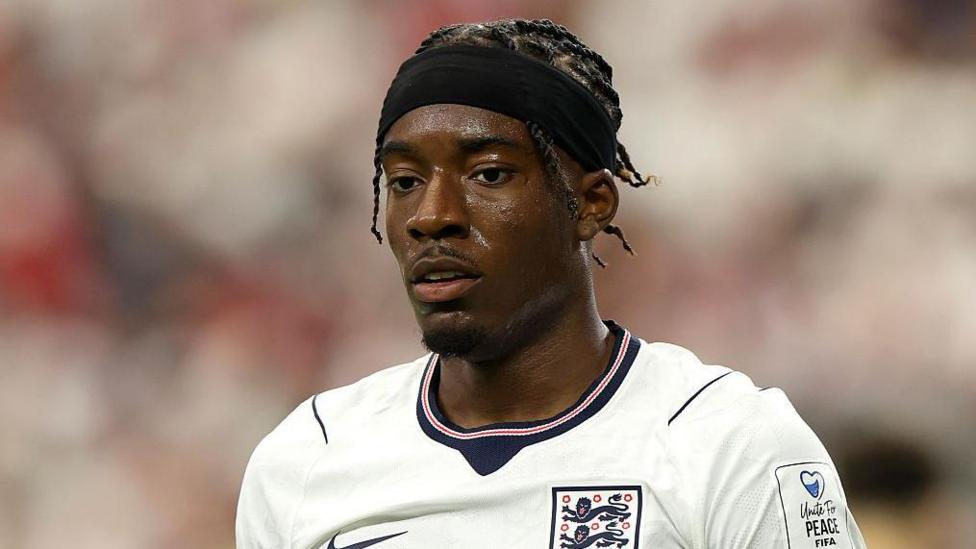
From Petition Target to England Starter: Madueke's Wild Rise
Noni Madueke transformed from a petition-worthy Arsenal target to an England World Cup starter in one stunning season.

Touré's Training Absence Exposes Socceroos' Striker Crisis
Australia's attacking talisman missed training three days before the World Cup opener against Turkey.
The World Cup Curse: Why 25% of Coaches Never Made It Home
Twelve national team bosses have already departed since the World Cup. The countdown, the sackings, and the quiet walkaways reveal a brutal system.