Asia's Unbeaten Run Against Europe Signals a Seismic Shift in World Football
Four matches unbeaten against European opposition isn't luck. It's a revolution years in the making.
The Number That Should Worry Every European Federation
Four.
That's how many matches Asian confederation teams have gone unbeaten against European opposition at the 2026 World Cup. Four matches, zero defeats. Daichi Kamada's late equaliser for Japan against the Netherlands on Sunday didn't just salvage a result; it extended a streak that should have every UEFA federation conducting emergency reviews of their youth development pipelines.
Let's be precise about what we're seeing. This isn't one plucky underdog riding luck over 90 minutes. This is a coordinated display of tactical sophistication across multiple Asian nations, each implementing distinct but equally effective game plans against opponents with far deeper World Cup pedigrees.
The Dutch couldn't break Japan down. The Czechs couldn't cope with South Korea's passing rotations. These aren't isolated incidents. They're symptoms.
How It Unfolded: Match by Match
The tone was set on the tournament's opening day. South Korea dismantled Czech Republic with a level of technical control that would have been unthinkable from an Asian side even a decade ago. The Czechs, a team that clearly prioritises dead-ball situations and aerial bombardment, found themselves chasing shadows.
South Korea's passing sequences were mesmerising. They moved the ball with patience and precision, pulling the Czech defensive block apart with diagonal switches and third-man runs. The fact that Son Heung-min isn't quite the player he was three or four years ago only amplifies the point: this Korean side doesn't depend on one talisman. The system produces chances.
If Son had been operating at his 2021-22 peak form, the scoreline could have been embarrassing. That South Korea still controlled the match without their best player firing on all cylinders tells you everything about the collective quality.
Then came Japan against the Netherlands. The Dutch, perennial World Cup contenders and tactical innovators in their own right, found themselves unable to assert dominance against a Japan side that pressed intelligently and transitioned with purpose. Kamada's equaliser wasn't a fluke scramble. It was the culmination of sustained pressure, the kind of goal a confident, well-drilled team scores.
The Tactical Evolution Behind Asia's Rise
What's changed? The answer lies in two decades of systematic investment, and the numbers tell the story.
The J-League's coaching infrastructure has matured dramatically since the early 2000s. Japan now produces coaches who understand positional play at a granular level. The K-League in South Korea has similarly evolved, with tactical periodisation and sports science integrated into first-team environments. These aren't leagues importing European ideas wholesale anymore. They're developing indigenous tactical philosophies informed by global trends.
Consider the pathways. A generation ago, Asian players moving to Europe were novelties. Now, the continent's top five leagues are littered with starters from Japan, South Korea, and Australia. Kamada himself has spent years in European football, absorbing the intensity and tactical demands. Son's experience at Tottenham has been well-documented. But the depth extends far beyond these headline names.
Japan's squad features dozens of players operating in top European leagues. That domestic-strike-rate-to-international-performance pipeline is now functioning at full capacity. The tactical literacy that comes from competing weekly against the continent's best players translates directly to the international stage.
The Coaching Revolution
Perhaps more significant than player exports is the coaching knowledge transfer. Asian federations have invested heavily in sending coaches to study under elite European tacticians. The result? National teams that no longer rely on defensive organisation and counter-attacking alone.
South Korea's build-up play against the Czech Republic was textbook progressive football. Japan's pressing structure against the Netherlands bore the hallmarks of a side trained in the principles that dominate modern European club football. These are teams that understand pressing triggers, rest defence, and positional rotations.
The Bottom Line: Asian football hasn't just closed the gap technically. It has closed it tactically. That's far harder to achieve.
Historical Context: How Far Has Asia Come?
For perspective, rewind to the 1998 World Cup in France. Japan went home with zero points, zero goals, and zero tactical identity. South Korea's 2002 World Cup run on home soil was dismissed by many as referee-assisted anomaly rather than genuine progress.
The trajectory since has been relentless:
- 2010: Japan reach the knockout rounds in South Africa, beating Denmark and Cameroon
- 2018: South Korea shock Germany in the group stage
- 2022: Japan defeat both Germany and Spain in Qatar
- 2026: Asian teams unbeaten in four against European opposition through the opening week
Each tournament has delivered a step change. The 2022 World Cup in Qatar was a watershed moment. Japan's twin victories over Germany and Spain weren't defensive smash-and-grabs. They were controlled performances built on tactical flexibility and technical composure. Saudi Arabia's opening-day victory over Argentina further demonstrated that Asian football had arrived.
The current tournament suggests that progress hasn't plateaued. It's accelerating.
The Contingency Clause: Let's Not Get Carried Away
There are legitimate caveats, and intellectual honesty demands we acknowledge them.
Four matches is a small sample size. Tournament football produces variance. The Czech Republic are not at the peak of European footballing quality. The Netherlands, while strong, are not the Netherlands of Cruyff or Van Basten.
Nobody should be crowning a new world order based on one week of group-stage football. Power shifts in international sport happen over decades, not days. The structural advantages that European football enjoys, broadcast revenue, academy investment, competitive league ecosystems, remain enormous.
But here's what's undeniable: if you were designing a hypothetical scenario in which the global balance of football power was genuinely shifting toward Asia, it would look exactly like this. Clinical results, tactical sophistication, technical quality across entire squads rather than isolated stars.
What This Means for the Rest of the Tournament
The implications extend beyond group-stage narratives.
European teams entering the knockout rounds will now face Asian opponents with genuine confidence. The psychological dynamic has shifted. Gone are the days when a European side could expect to dominate possession and territory against Asian opposition simply by showing up.
For the remaining group matches involving AFC nations, the data is clear: these teams are not to be underestimated. Qatar and Australia's results further reinforce the continental trend. Every European coach preparing to face Asian opposition this tournament must now account for technical quality, tactical flexibility, and an intensity that matches their own.
The Long Game
Beyond 2026, the investment trajectory suggests this is structural, not cyclical. Saudi Arabia's Pro League has attracted global attention for its recruitment. Japan's domestic infrastructure continues to produce world-class talent at an accelerating rate. South Korea's youth development pipeline is arguably the most efficient in world football relative to population.
The Asian Football Confederation's member nations are no longer content with participation trophies. They want knockout-round runs. They want quarter-finals. And based on what we've seen this week, they have the tactical and technical tools to achieve exactly that.
The Verdict
Four unbeaten matches against European opposition in one World Cup week could be an anomaly. Or it could be the clearest signal yet that the global hierarchy of football is being redrawn.
The evidence, tactical, technical, and developmental, leans heavily toward the latter. Asia isn't just catching up. In several measurable ways, it has caught up.
European federations would be wise to take notice. The days of assuming automatic superiority over AFC nations are over. What happens next in this tournament will reveal whether this is a genuine inflection point or a statistical quirk.
But smart money says the former.
Editorial Integrity
This is an original SportPulse article written by our editorial team. All content is independently researched, written, and reviewed by our writers and editors before publication. We do not publish copied, aggregated, or syndicated content.
SportPulse is committed to original sports journalism. Read our editorial policy or contact us with any questions.
More Like This
All football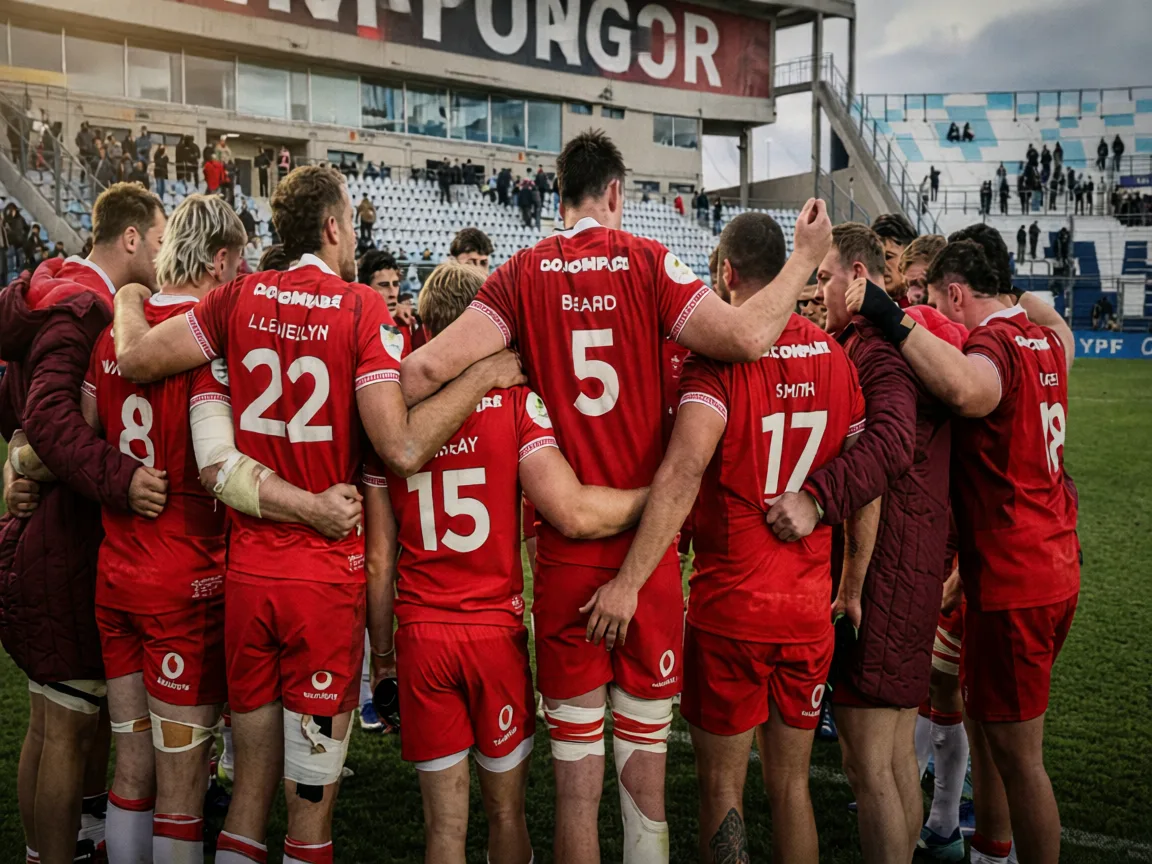
Argentina Deliver Brutal Reality Check to Wales in San Juan
Wales' summer momentum shattered in San Juan as Argentina dominated 35-21, exposing the gap between Test tiers.
Japan and Sweden Meet With Group F Survival on the Line
A pivotal Group F clash pits Japan's technical revolution against Sweden's disciplined rebirth in the expanded 2026 World Cup.
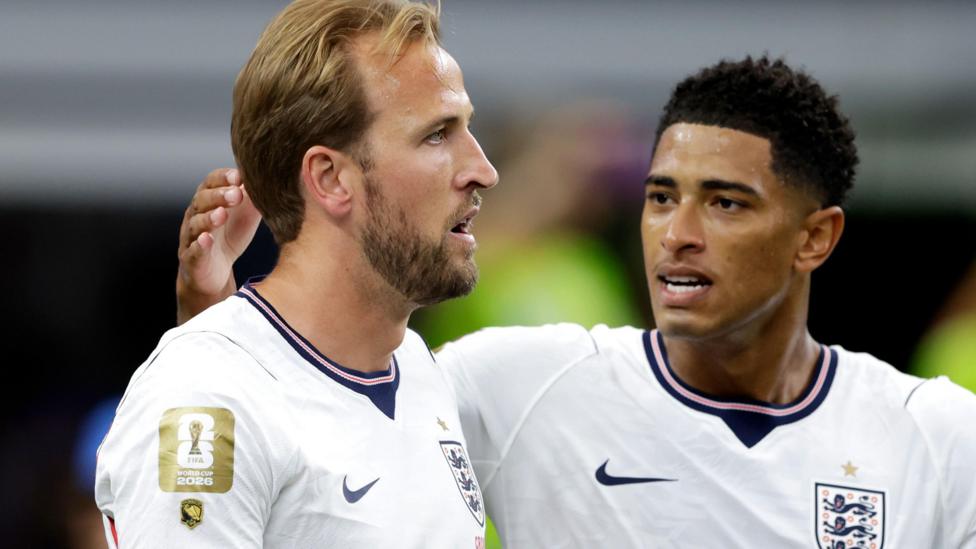
Decoding the World Cup Captain Patches
Harry Kane's distinctive shirt patch isn't just apparel decoration—it's FIFA's sanctioned visual hierarchy for tournament skippers.