Red Bull Ring FP3: Decoding the 2026 Downforce Dilemma
Austria's FP3 exposes the 2026 aero formula's downforce sensitivity as teams scramble to balance drag and mechanical grip.
The Red Bull Ring has always been a brute disguised as a sprint circuit. Its compact layout lures engineers into a false sense of security, but the 4.3-kilometer track is a relentless interrogator of aerodynamic efficiency and mechanical grip. As the 2026 Austrian Grand Prix weekend entered its critical third practice session, the data flashing on pit wall monitors told a story of contrasting philosophies. The new active aerodynamics regulations have fundamentally altered how teams approach this layout. No longer is Saturday morning a simple validation exercise. It is a high-stakes simulation where ride-height variations of a single millimeter dictate whether a car is a weapon or a wounded animal through the long Turn 9 right-hander.
Think of the Red Bull Ring as a high-speed stovepipe. The four long straights demand the lowest possible drag coefficient, tempting engineers to strip the car of downforce until it resembles a slippery soapbar. Yet the three heavy braking zones and the high-speed combinations require immense peak downforce to maintain stability. Under the 2026 technical regulations, this push-and-pull has been amplified. The mandated active aerodynamic devices, which allow drivers to switch between low-drag and high-downforce modes, are supposed to provide the best of both worlds. In practice, the transition states between these modes are where lap time lives or dies.
During Saturday's final practice hour, we witnessed teams grappling with the transient physics of the new formula. When a driver hits the aero-mode switch on the main straight, the rear wing flap opens to shed drag, but the beam wing and diffuser must correspondingly adjust to prevent a massive aero imbalance. If the shift in centre of pressure is too violent, the car suffers from sudden oversteer at the turn-in point. It is akin to running on ice skates where the blades suddenly retract mid-stride. Engineers spent FP3 meticulously mapping the hysteresis of these transitions, trying to smooth the aerodynamic curve so the driver feels a predictable shift rather than a snap.
The Red Bull Ring punishes aerodynamic inconsistency ruthlessly. The track features four DRS zones in its current configuration, but under the 2026 rules, the DRS flap is largely redundant, replaced by the driver-activated active aero system. This shifts the burden from a simple flap opening to a complex choreography of floor geometry and brake duct airflow. In FP3, we saw cars running with heavy flow-viz paint on the floor edges and diffuser fences. The vital data point is the seal performance the floor maintains against the track surface at rear ride heights of roughly 20 to 25 millimeters. At 320 km/h on the approach to Turn 3, if the floor leaks pressure because the active mode shifted the car's pitch too dramatically, the diffuser stall risk becomes terrifyingly real.
Engineering Insight: The Pitch Sensitivity Matrix
Understanding the 2026 floor dynamics requires looking at the pitch sensitivity of these cars. Pitch sensitivity is the rate at which downforce is lost or gained as the car's nose dips under braking or rises under acceleration. The current generation of cars are incredibly sensitive to this. When a driver brakes from 320 km/h down to 95 km/h for Turn 1, the dynamic ride height at the front drops significantly. If the floor's aerodynamic map cannot handle this compression, the downforce plummets just when the driver needs it most to turn the wheel. To counter this, teams are deploying incredibly sophisticated heave damper settings within the suspension geometry. The third element, a heave spring and damper assembly that controls the car's pitch exclusively, is being tuned with stiffer rates to keep the car's aerodynamic platform stable.
However, stiffening the suspension creates a secondary problem at Spielberg. The circuit sits 677 meters above sea level in the Styrian mountains, resulting in naturally low air density. Lower air density means the car generates less absolute downforce, forcing teams to run higher wing angles than the straights would otherwise permit. It is a maddening paradox. Add a stiff suspension into the mix, and the tires struggle to find the mechanical grip needed to absorb the aggressive curb strikes at the apex of Turns 5 and 8. The tire contact patch distorts, losing lateral load, and the car begins to slide. FP3 was a laboratory for finding the exact threshold of pain the Pirelli compounds can tolerate before the thermal degradation curve spikes out of control.
The Engine Mapping Variable
Compounding the aerodynamic puzzle is the 2026 power unit specification. The shift to a 50/50 split between internal combustion engine and electric motor power means engine mapping is more critical than ever. On the long run up the hill to Turn 3, drivers rely on electrical deployment to punch through the low-drag aero modes. FP3 showed visible differences in battery harvesting strategies. Some teams prefer aggressive regenerative braking in the heavy zones, which creates a sudden shift in brake bias as the MGU-K absorbs kinetic energy. Managing this bias shift is vital; if the rear brakes are unloaded because the motor is harvesting too aggressively, the rear tires lock and the aero imbalance is fatally exposed.
Saturday's Takeaway: Track Evolution and Setup Lock-in
The most critical lesson from the final practice session was the rapid track evolution. As the asphalt temperature climbed, the rubber laydown on the traditionally green Styrian circuit shifted the grip balance dramatically. Cars that looked serene in the cool morning air suddenly exhibited snap oversteer as the tarmac heated up. This evolution forces engineers into a difficult choice: set the active aero windows for the cooler conditions expected in qualifying later today, or hedge toward the warmer temperatures predicted for Sunday's race. Because the 2026 aero software must be locked and submitted to the FIA before parc fermé conditions begin, FP3 represents the final opportunity to calibrate the mode switch timings and downforce tuning.
The Red Bull Ring is famously hard on traction, but in 2026, it has become an aerodynamic torture chamber. The data from FP3 clearly indicates that the team which masters the aero-mode transitions without sacrificing mechanical compliance over the curbs will control the weekend. We are looking at a scenario where the top speed deficit caused by running slightly more downforce could be compensated entirely by a more stable aerodynamic platform through the corners. The stopwatch does not lie, but in this new era, interpreting the lap time requires understanding whether the car is quick despite its setup or because of it.
Looking Ahead: The British Grand Prix Challenge
As the grid prepares to lock in their setups for qualifying, attention is already partially drifting toward the next challenge on the calendar. The British Grand Prix at Silverstone presents a violently different technical conundrum. Where Spielberg demands a low-drag baseline with high rear stability under braking, Silverstone is a full-throttle high-downforce gauntlet. Corners like Maggotts and Becketts require unwavering aerodynamic commitment. The active aero systems calibrated for Austria's long straights and heavy braking will need a total software rewrite for the sustained lateral loads of Northamptonshire. The front-limited nature of Silverstone means the front wing flap adjustability will take precedence over the rear drag reduction that dominates Austrian thinking. For the engineers, the transition is less about carrying momentum and more about completely rethinking the fluid dynamics of the car. What works on the Styrian mountains this afternoon will be entirely obsolete in two weeks' time.
Editorial Integrity
This is an original SportPulse article written by our editorial team. All content is independently researched, written, and reviewed by our writers and editors before publication. We do not publish copied, aggregated, or syndicated content.
SportPulse is committed to original sports journalism. Read our editorial policy or contact us with any questions.
More Like This
All f1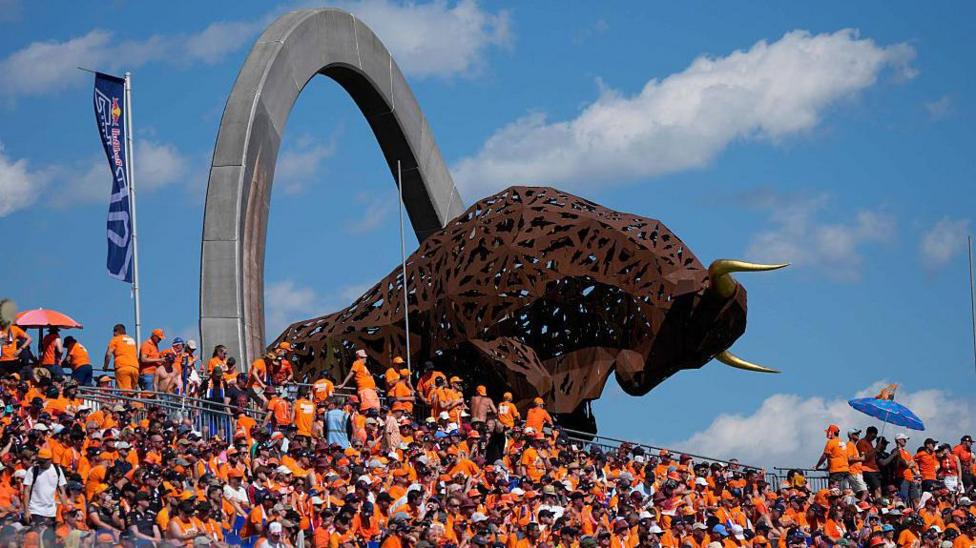
Red Bull's Citadel Awaits: Austrian Grand Prix Preview
The F1 circus descends on Spielberg for the Austrian Grand Prix, and here is your complete tactical briefing and BBC coverage guide.
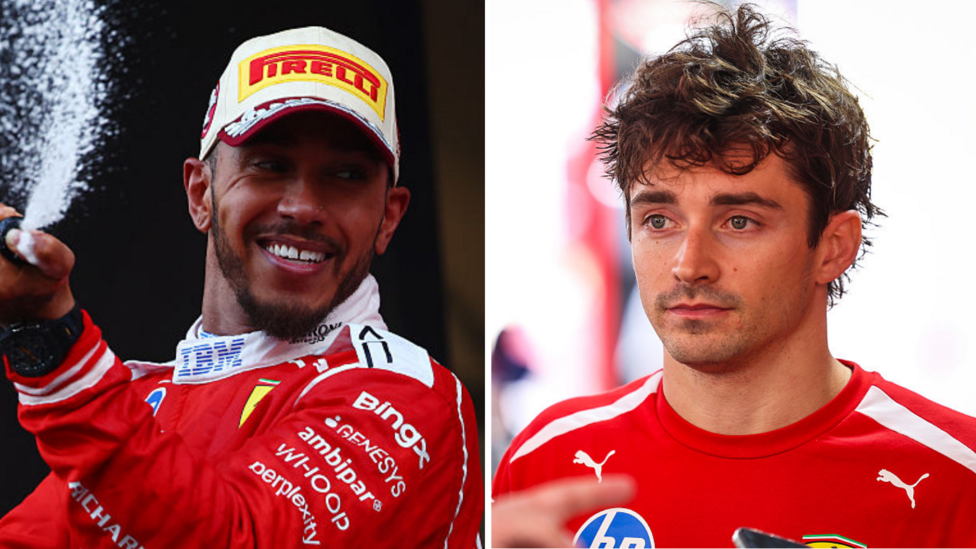
Monaco Magic for Hamilton, Monaco Misery for Leclerc: A Technical Breakdown
Hamilton mastered Monaco's unforgiving streets while Leclerc's home-race curse persists — here's why the car mattered as much as the driver.

Russell's Austria Redemption Reasserts Mercedes' Title Credentials
Mercedes answered Ferrari and Hamilton's Barcelona statement with a dominant Austrian Grand Prix victory through George Russell.