Spielberg's Magic Goes Beyond the Checkered Flag at the 2026 Austrian GP
The 2026 Austrian Grand Prix delivered a festival atmosphere off track that matched the intensity on it.
Lights Out in the Styrian Mountains
The Red Bull Ring never just hosts a race. It stages a weekend. The 2026 Austrian Grand Prix at Spielberg proved that once again, delivering a spectacle that stretched far beyond the 71 laps of on-track action. While the cameras focused on the battles at Turns 1 through 4 and the relentless DRS zones that make this circuit one of the most overtaking-friendly on the calendar, there was an entire parallel narrative unfolding across the paddock, the grandstands, and the rolling green hills of Styria.
This year's event carried extra weight. The 2026 season represents a seismic shift in Formula 1's technical landscape: new power unit regulations emphasizing sustainable fuels, simplified aerodynamics, and the introduction of active aero have reshuffled the competitive order. Spielberg, with its short lap, dramatic elevation changes, and punishing gravel traps, became the first real stress test for many of these new machines at a circuit that demands everything from both power unit and chassis.
But the on-track action was only half the story.
The Legends Parade: History Rolls Again
One of the most beloved traditions at the Austrian Grand Prix is the legends parade, and the 2026 edition did not disappoint. Former world champions and fan-favorite drivers from decades past took to the Red Bull Ring in classic machinery, thundering past grandstands packed with spectators who roared their approval.
There is something uniquely powerful about watching retired gladiators return to the cockpit. The Austrian crowd, among the most passionate and knowledgeable in Formula 1, treats these moments with the reverence they deserve. The parade is not mere nostalgia. It is a living bridge between eras, connecting the raw, mechanical brutality of older Formula 1 cars with the hybrid-electric sophistication of the 2026 generation.
Spielberg has hosted Formula 1 in various guises since the 1970s, first as the Osterreichring, then the A1-Ring, and now the Red Bull Ring. Each incarnation has its own mythology. The legends parade taps directly into that lineage, reminding everyone that the sport's history is not locked behind glass in a museum. It still has a pulse. It still has a heartbeat that reverberates off the Styrian peaks.
For younger fans who discovered Formula 1 through Drive to Survive or the social media era, seeing these cars and drivers in the flesh is transformative. For the veterans in the crowd, it is a reminder of where they fell in love with the sport. Either way, the legends parade remains one of the most underrated traditions on the entire F1 calendar.
Domenicali's Dinner: The Politics Behind the Performance
Away from the trackside theatrics, Formula 1 CEO Stefano Domenicali hosted his now-traditional driver dinner, a gathering that has become a fixture of the race weekend rhythm. These dinners are more than a photo opportunity. They are a pressure valve.
The 2026 season has introduced enormous tension across the grid. The new regulations have compressed the field in some areas and widened gaps in others. Driver market rumors swirl constantly. Team principal rivalries simmer. And the ongoing debate about the sport's direction, balancing sustainability mandates with the visceral spectacle fans demand, is never far from the surface.
Domenicali's dinner offers a rare space where drivers, team bosses, and F1 leadership can interact without the glare of live television. Whether it truly changes minds or merely serves as a diplomatic ritual, the optics matter. In an era where every micro-interaction is parsed for meaning, the dinner signals stability, unity, and shared purpose, even when the paddock is anything but unified.
The specifics of what was discussed behind closed doors remain, as ever, confidential. But the mere existence of the dinner at a pivotal moment in the season, with the 2026 regulations still bedding in and several teams struggling with reliability, speaks to the delicate balancing act Domenicali performs every race weekend.
The Spielberg Experience: Why This Weekend Is Different
Ask anyone who has attended the Austrian Grand Prix, and they will tell you: Spielberg is not like other races. The circuit sits in a natural amphitheater carved into the Styrian countryside, with elevation changes of 65 meters from the lowest to the highest point. Grandstands are positioned so close to the track that fans can hear every gear change, every lockup, every scrape of carbon fiber against kerbing.
The festival atmosphere extends beyond the circuit perimeter. Campsite culture at the Austrian GP is legendary. Fans arrive days early, turning the surrounding hillsides into temporary villages draped in the flags of every nation represented on the grid. The Red Bull brand, with its roots in Austrian culture, ensures the off-track entertainment is calibrated to the tastes of a young, energetic demographic.
In 2026, with the new cars producing a different acoustic profile thanks to the revised power unit architecture, fans were treated to something genuinely novel. The electric component is more audible, the turbo whistle more pronounced, and the overall soundscape has shifted. Early reports from the paddock suggest the Spielberg faithful responded positively, appreciating the raw mechanical honesty of the new machines even as the sport evolves.
What the Weekend Reveals About the 2026 Grid
Beyond the pageantry, the Austrian Grand Prix weekend offered genuine technical insight. The Red Bull Ring's characteristics, short straights, heavy braking zones, and a reliance on traction out of slow corners, provide a specific performance window that separates the well-sorted cars from those still searching for setup.
Teams that arrived in Spielberg with confidence in their low-speed mechanical grip and power unit driveability were rewarded. Those still struggling with the transition to the 2026 regulations, particularly the challenge of managing energy deployment across a lap that is only about 1.05 kilometers long in its usable configuration, faced a steep learning curve.
The sprint format, if applied at this round, added another layer of complexity, giving teams fewer practice sessions to dial in their setups before competitive running began. For the engineering departments back at the factories in the UK, Italy, Germany, and beyond, Spielberg was a data goldmine.
The Bigger Picture
The 2026 Austrian Grand Prix reminded us that Formula 1 is not just a racing series. It is a cultural event, a political ecosystem, and a living history lesson all compressed into a single weekend. The legends parade kept the flame of the sport's heritage burning bright. Domenicali's dinner navigated the complex interpersonal dynamics that define the paddock as much as any technical regulation. And the on-track action, still the centerpiece, delivered the kind of raw, unpredictable competition that keeps hundreds of millions of viewers tuning in across the globe.
Spielberg has always punched above its weight. It is not the richest race, nor the longest, nor the one with the most glamorous backdrop. But it might just be the most complete weekend on the Formula 1 calendar, a place where every facet of the sport gets its moment in the Styrian sun.
What's Next
The 2026 calendar rolls on, with the next round promising to further clarify the competitive pecking order as teams continue to unlock performance from their new machinery. Spielberg's data will be invaluable as engineers refine their understanding of the 2026 package's strengths and weaknesses.
For the fans, the Austrian GP weekend delivered exactly what it always does: world-class racing, unforgettable atmosphere, and moments that transcend the stopwatch. The 2026 season is still young, and the story is only just beginning.
Editorial Integrity
This is an original SportPulse article written by our editorial team. All content is independently researched, written, and reviewed by our writers and editors before publication. We do not publish copied, aggregated, or syndicated content.
SportPulse is committed to original sports journalism. Read our editorial policy or contact us with any questions.
More Like This
All f1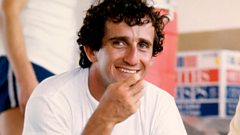
Decoding The Professor: How Prost Engineered F1 Greatness
Alain Prost didn't outgun rivals; he out-engineered them. A deep dive into the technical mastery of F1's ultimate cerebral champion.
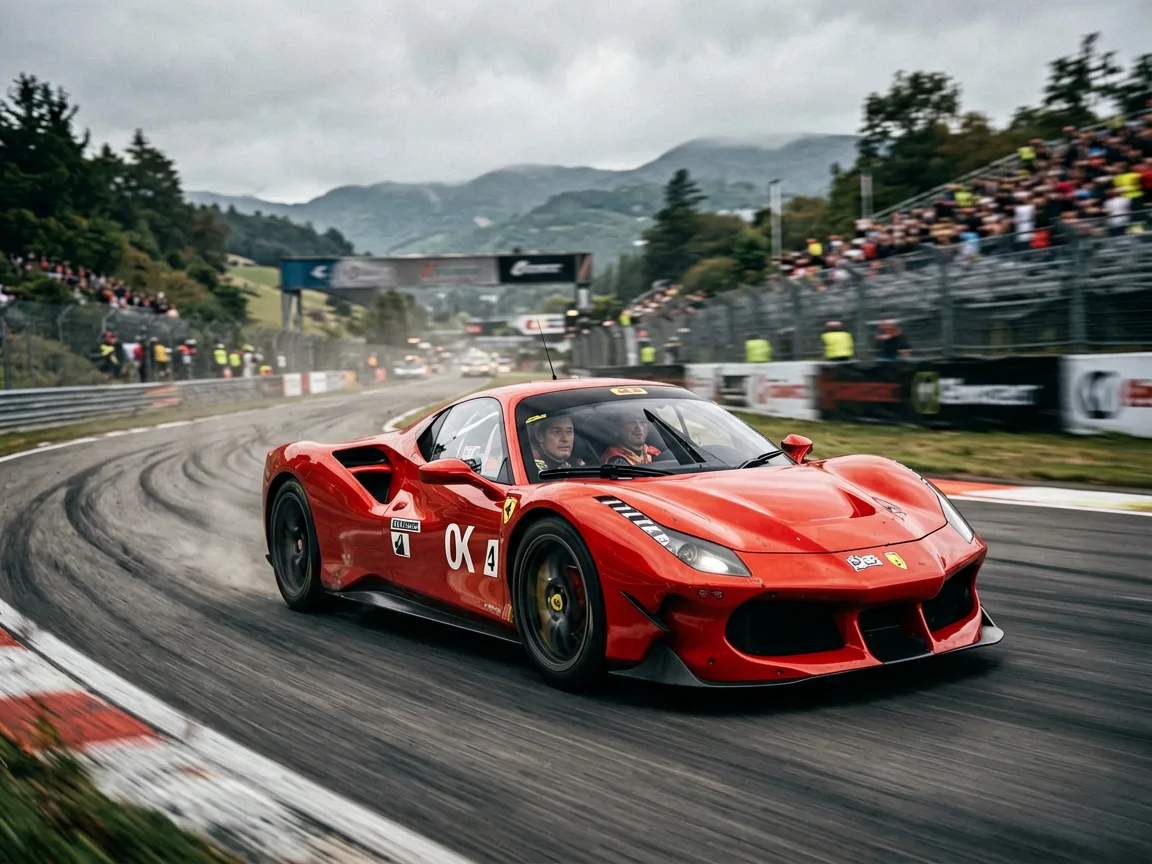
Hamilton Cracks the Whip: Ferrari Star Hunts Antonelli at Spa
Lewis Hamilton demands Ferrari urgency at Spa as he hunts Kimi Antonelli's championship lead in the Belgian GP.
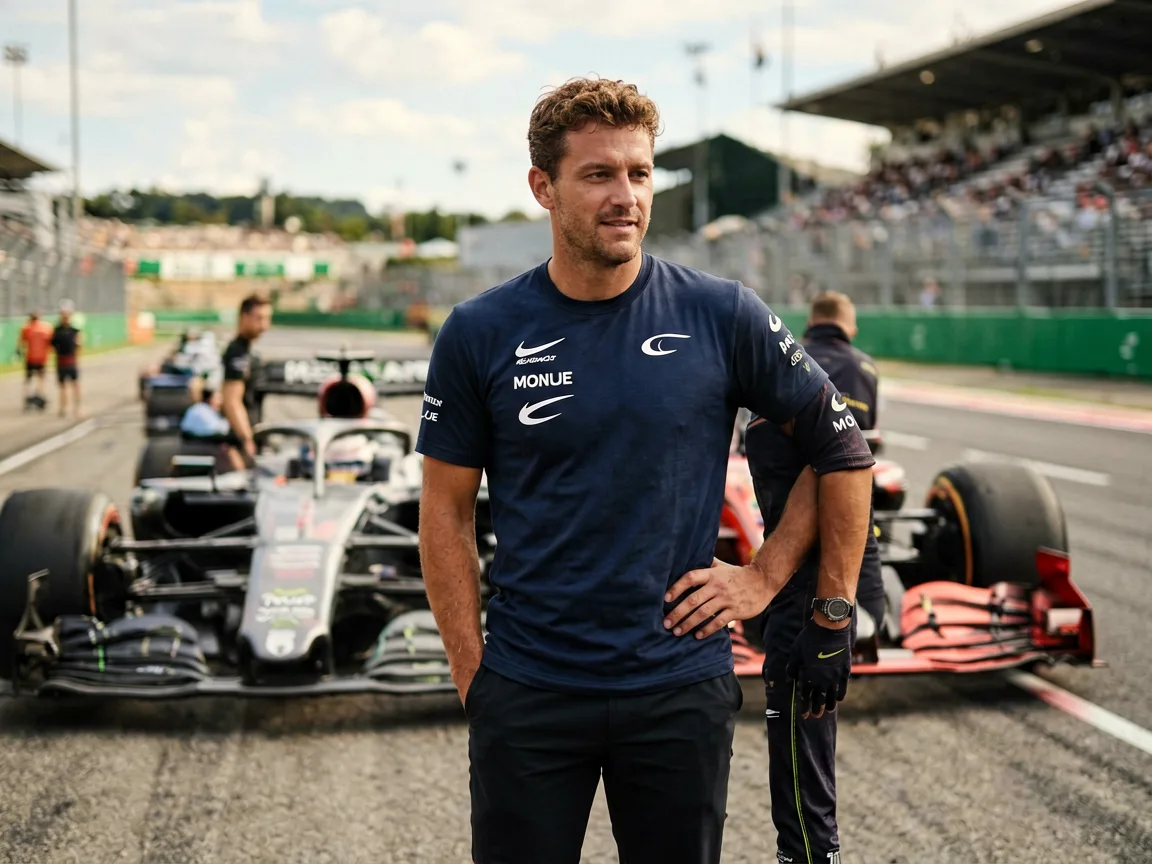
Webber Dismisses Piastri Rumours Amid Real Pressure
Mark Webber's intervention signals behind-the-scenes tension as McLaren's driver dynamics intensify.