Red Bull Ring: Why Altitude, Strategy, and Thin Margins Define Austria
The Austrian Grand Prix is a pressure cooker of aerodynamic compromise, brutal tire degradation, and razor-thin qualifying margins.
The Shortest Circuit, the Biggest Questions
The Red Bull Ring is a paradox wrapped in 4.318 kilometres of Styrian tarmac. It is among the shortest tracks on the Formula 1 calendar, yet it consistently produces some of the most strategically complex and physically punishing races of the season. The Austrian Grand Prix rewards precision over raw pace, and punishes any team that misreads the unique demands this alpine venue imposes.
Nestled at roughly 700 metres above sea level in the hills surrounding Spielberg, the Red Bull Ring sits significantly higher than most European circuits. That altitude matters more than casual fans might assume. Thinner air reduces both aerodynamic downforce and engine cooling efficiency, forcing teams into a delicate compromise: run higher downforce configurations for corner grip and accept a drag penalty on the straights, or trim the wings and gamble on mechanical grip through the slower sections.
The track layout itself is deceptively simple. Just ten corners define the lap, with three major braking zones into Turns 1, 3, and 4 that offer the primary overtaking opportunities. The back straight feeding into Turn 4 is particularly critical, aided by one of three DRS zones that keep cars within striking distance through the preceding sweeping section. But simplicity at the Red Bull Ring is an illusion. With lap times hovering around 1:05 to 1:07 depending on the regulation era, the margins are microscopic. A tenth of a second can mean the difference between the front row and the third.
Altitude: The Invisible Performance Thief
Every team arrives in Spielberg knowing that the elevated venue will compromise their car's cooling package. Power units run hotter, brake ducts need wider apertures, and the ERS harvesting cycles must be recalibrated to account for the thinner atmosphere. This is not a circuit where engineers can simply bolt on their Monza low-drag setup and hope for the best.
The altitude factor also influences tire behavior in subtle but meaningful ways. Reduced aerodynamic load means the cars generate less vertical pressure through high-speed corners, which shifts the thermal window of the tires. Pirelli typically brings its softer compound range to Austria, and teams must carefully manage surface temperatures across stints that can stretch longer than expected on a track that historically degrades rubber at a moderate but steady rate.
The short lap length compounds the tire question. With only ten corners, the tires experience concentrated load cycles rather than the sustained punishment of a Spa or Silverstone. That means graining can be an issue on the front-left through the sustained Turn 5-6 complex, while rear degradation spikes on exit traction zones. Teams that nail the tire warm-up procedure on out-laps gain a disproportionate advantage in qualifying and during safety car restarts.
The Sprint Format Variable
The Austrian Grand Prix has frequently adopted the sprint race weekend format in recent seasons, which introduces a compressed schedule that rewards teams with strong baseline setups. There is limited practice time to dial in the car, which advantages outfits that arrive with a well-understood simulation package and penalizes those that rely on Friday running to find their feet.
Sprint qualifying (the shorter shootout format) places immense pressure on drivers to deliver a clean lap immediately. There is no luxury of multiple warm-up attempts in SQ3. The car must be ready, the driver must be committed, and the setup must be within a narrow operating window from the first flying lap. Teams like Red Bull and McLaren, who have historically demonstrated strong correlation between their wind tunnel data and on-track performance, tend to thrive in these compressed weekends.
Strategy Breakdown: The Two-Stop Chess Match
The Austrian Grand Prix is almost always a two-stop race for the leading contenders, though the timing and compound sequencing create a genuine strategic battle. The pit lane time loss at the Red Bull Ring is relatively short compared to circuits like Melbourne or Singapore, which means teams are less penalized for stopping and can be more aggressive with undercut attempts.
The undercut is particularly powerful here because of the short lap. A driver pitting one lap before a rival gains the benefit of fresh rubber through the heavy braking zones at Turn 1 and Turn 3, where the performance delta between new and old tires is most pronounced. Engineers on the pit wall must constantly model the crossover point: when does the time gained on fresh rubber outweigh the pit stop loss?
Tire allocation strategy also plays into this calculation. In a sprint weekend format, teams have fewer sets of fresh tires available for qualifying, which means starting compound choices are influenced by what rubber remains in the garage. A driver who burns through softs in sprint qualifying may be forced onto a suboptimal strategy for the main race.
The alternate strategy that occasionally disrupts the conventional two-stop is the hard-hard-medium approach, where a driver runs extended opening stints on the harder compound to gain track position when others pit early. This works best when a safety car bunches the field, negating the pace disadvantage of the harder rubber during the opening phase. Teams that read the race state correctly and commit to the overcut can leapfrog rivals who stop on schedule.
The Qualifying Cruciel
Austria is a qualifying-dependent circuit. Despite the three DRS zones and overtaking opportunities, track position remains king because the short lap means the DRS train effect is amplified. Cars running in dirty air through the fast Turn 6-7 kink lose significant downforce, and the subsequent straight is not long enough to fully recover the time deficit. A driver stuck behind a slower car through the middle sector can lose two to three tenths that the DRS zones on the following straight cannot fully compensate for.
This makes Q3 one of the most consequential sessions of the year. The tow is valuable but difficult to coordinate on such a short lap, and traffic management becomes a real tactical consideration. Teams have been known to release their drivers in carefully timed pairs, with the lead car providing a slipstream through the first sector in exchange for the following car doing the same on the return lap.
What the Form Guide Tells Us
The Red Bull Ring has historically rewarded cars with strong traction out of slow-speed corners and efficient straight-line speed. That combination has traditionally suited the teams running high-rake aerodynamic concepts, though the ground-effect era regulations under the 2022 technical overhaul have shifted the competitive landscape in ways that make historical form less predictive than it once was.
What remains constant is that this circuit punishes teams with poor mechanical grip and rewards those who can extract maximum performance from the tire in the narrow thermal window. Qualifying pace and race pace often diverge here more than at other venues, because the tire degradation profile under sustained fuel loads can radically alter the competitive order between Saturday and Sunday.
Championship Implications
The Austrian Grand Prix arrives at a point in the calendar where the constructors' and drivers' standings begin to crystallize. Double points available through the sprint format mean that a strong weekend in Spielberg can shift the championship narrative significantly. A team that scores a sprint race victory and a podium in the main race can harvest upwards of 30 points in a single weekend, a haul that can close gaps or extend leads in ways that conventional weekends cannot.
For the midfield, the Red Bull Ring represents a genuine opportunity. The short lap and compressed format reduce the performance delta between the front-runners and the chasing pack. In qualifying especially, a well-executed lap from a midfield driver can secure a grid position that looks anomalous on paper but reflects the circuit's unique equalizing characteristics.
The altitude, the tire strategy, the sprint format, and the microscopic margins make the Austrian Grand Prix one of the most technically demanding weekends on the calendar. It is a race where the engineering team on the pit wall matters as much as the driver in the cockpit, and where the smallest miscalculation in strategy or setup can cascade into a result that reshapes the championship fight. For anyone analyzing the form guide or weighing predictions for Spielberg, the lesson is clear: ignore the altitude at your peril.
Editorial Integrity
This is an original SportPulse article written by our editorial team. All content is independently researched, written, and reviewed by our writers and editors before publication. We do not publish copied, aggregated, or syndicated content.
SportPulse is committed to original sports journalism. Read our editorial policy or contact us with any questions.
More Like This
All f1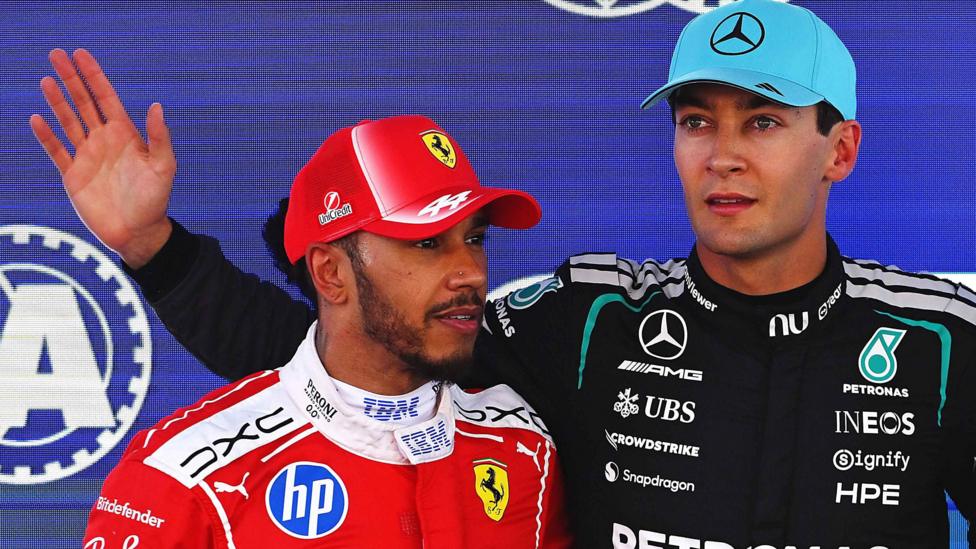
Russell Silences Doubts With Barcelona Pole Over Hamilton
George Russell claws back momentum at Mercedes, outpacing Lewis Hamilton for a defining Barcelona pole that reshapes the intra-team dynamic.
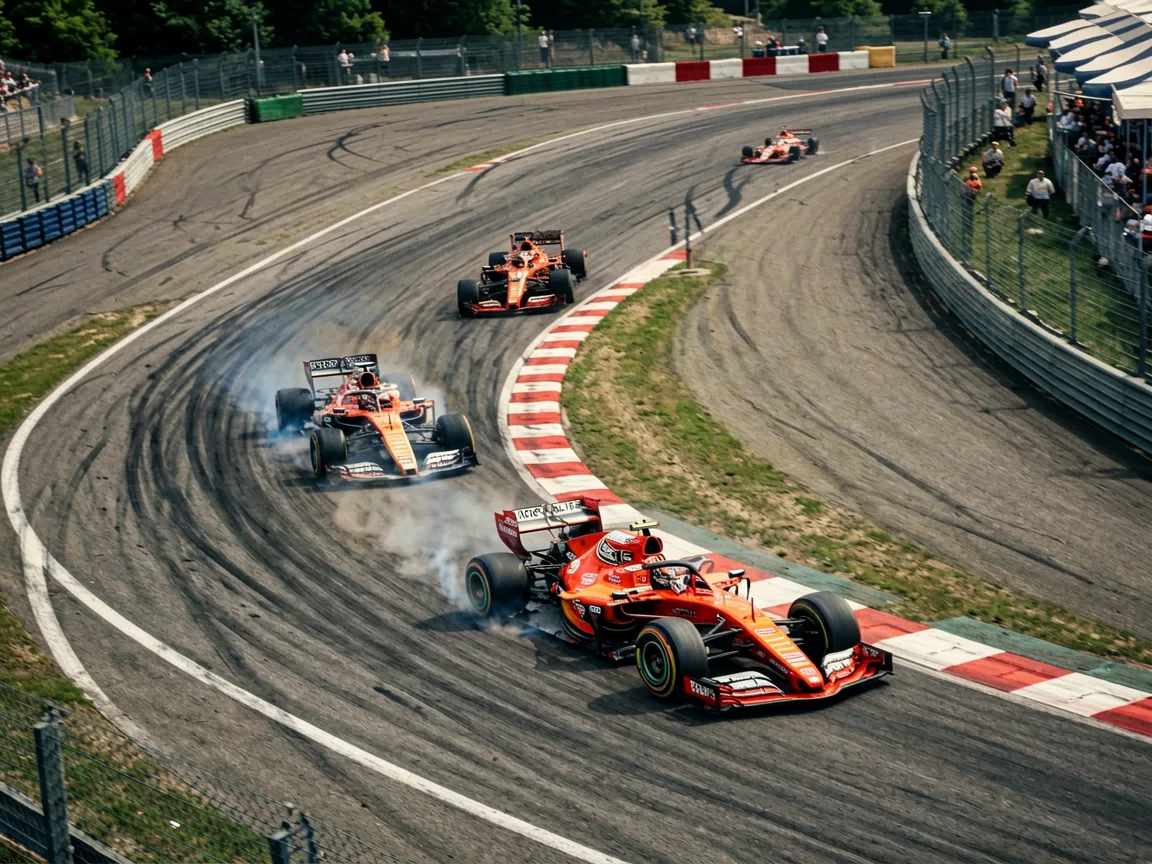
Spa and Hungaroring Demand Opposite Engineering Philosophies
Formula 1's 2026 double header tests aerodynamic efficiency against mechanical grip across two radically different circuits.

FIA Ratifies 2027-2028 Rule Changes: Shaping F1's Next Era
The FIA WMSC ratifies regulatory overhauls for 2027 and 2028, layering new technical and financial constraints onto the 2026 foundation.