Storm Over Azteca: Tactical Chaos Looms for Mexico-England
A shelter-in-place order at Azteca disrupts Mexico-England preparations, threatening tactical plans in already extreme conditions.
Storm Clouds Gather: The Suspension of Normality
The Estadio Azteca, a colossus of world football steeped in 1970 and 1986 World Cup lore, found itself paralysed. Stadium authorities issued a shelter-in-place order as severe weather swept through Mexico City. The precaution struck barely 90 minutes before the scheduled kickoff of the last-16 clash between the host nation and England. The match has since been officially delayed by one hour and is now set to kick off at 02:00 BST (19:00 local time).
Stadium concourses transformed into temporary sanctuaries. Thousands of fans were directed away from exposed seating bowls into the concrete arteries of the stadium. The iconic playing surface, notoriously thin air at 2,240 metres altitude, disappeared beneath a canopy of torrential rain. This was not merely a logistical inconvenience; it represented a profound disruption to two meticulously constructed tactical blueprints.
The Altitude and Climate Nexus
From a continental European coaching perspective, preparing for a knockout tie at the Azteca is already an exercise in managing extreme physiological variance. The altitude sprints and high-press systems must be calibrated to the reduced oxygen availability. Add severe weather into the equation and the match ceases to resemble a football contest. It risks becoming a battle of environmental attrition.
England arrived with a high-functioning 4-3-3 built on muscular pressing. Sarina Wiegman's philosophy relies on suffocating opposition build-up through compact vertical lines. Mexico typically operate via a 4-2-3-1 that transitions quickly into 4-4-2 without the ball. The storm threatened to dilute both reactive structures and possession frameworks before a single clearances was attempted.
Physical Toll and tempo compression
For England, the logic of their pressing system fundamentally breaks in such conditions. Intense humidity and saturated air accelerate glycogen depletion. A high-block system draining at sea level becomes impossible to sustain through 120 minutes of potential knockout extra time. Expect immediate compression of pressing triggers and deeper positioning if the fixture goes ahead.
- Cardiovascular stress: Bound oxygen molecules mean muscles fatigue sooner and cramps multiply.
- Pitch conditions: Waterlogging in central zones funnels play wide inevitably.
- Tactical tempo: Will drop as both sides prioritise structure over chaos.
Modifying the Pressing Structures
The Mexican approach, orchestrated to exploit home advantage, emphasises vertical transitions into the half-spaces and isolating their creator on full-backs. But a waterlogged pitch fundamentally alters the geometry of vertical pressing. Balls skid and die unpredictably. Pressing triggers become unreliable when spatial cues dissolve under surface water. The host nation may have to retreat into a mid-block, abandoning the aggressive rest-defence shape designed to strangle opponents high up the pitch.
For Wiegman, the calculation is equally perilous. England's recent tournament mandates have been built on territorial dominance. But in a swamp, territorial dominance yields diminishing returns. Why press high when a bypassing long ball simply gets swallowed by the turf? Expect England to revert to a more pragmatic 4-1-4-1 defensive shape off the ball. This sacrifices the aggressive positioning of their wingers for central solidity. The tournament injury profile warps entirely. A groin strain or twisted knee becomes statistically more likely on an unstable surface.
"We prepare for the opponent and the environment. But when the environment becomes hostile to the sport itself, football takes a back seat to safety and survival."
Tactical Shift: Adapting to the Deluge
If the fixture proceeds post-shelter-in-place, the tactical metamorphosis will be sudden and absolute. The defining strategic shift involves abandoning the ground-based progression entirely. The full-backs hoist deep into opponent territory initially to stretch play. They will suddenly retract to form a back-four sitting on the edge of their own final third. The midfield pivot drops between the centre-backs to form a 3-2 build-up shape. This provides numerical superiority against direct pressure without requiring intricate ground passing.
Mexico, conversely, will likely shelve their intricate positional rotations in the left half-space. The single pivot shielding the back four becomes crucial. The playmaker might receive instruction to abandon creative responsibilities and prioritise ball retention.(4-4-2 defensive block). Both teams will funnel attacks down the flanks where the drainage is historically superior at the Azteca. The wide areas become the primary zone of engagement rather than the central corridors. Expect set-pieces to assume outsize importance. A corner kick into a saturated penalty area becomes a lottery of ricochets and friction-defying skips.
Winners and losers of the deluge
The tactical winners are the athletes in both squads. Player archetypes favouring brute physical duels over intricate passing gain an immediate advantage. The compact passing lanes are nullified when the ball stops rolling. A holding midfielder clogging central zones with tackles becomes more valuable than a playmaker threading needles.
- Elevated stock: Ball-winning midfielders, aerially dominant centre-backs, physical strikers.
- Diminished stock: Silk-footed creators, inverted wingers relying on close control.
Operational Disruption
The shelter-in-place order speaks to a broader operational disruption. Team buses experienced delayed arrivals. Pre-match warm-ups were abandoned. The psychological preparation cycles shattered. For elite athletes, the pre-match routine represents a sacred neurological pathway. Disrupt the timeline and the game is already half-lost to the opponent.
This potentially favours England. Their opposition has had the weight of a nation and the threat of extreme altitude to contend with for weeks. Any unexpected chaos could galvanise a visiting squad with tournament-winning pedigree. For Mexico, the paralysis of their iconic arena stripped away the intimidation factor that the stadium itself usually inflicts.
The Environmental Wildcard
Elite sport cherishes its controlled environments. They allow tactical philosophies to bloom into pragmatic execution. The Azteca storm is a reminder of football's primal vulnerability to nature. A meticulously rehearsed 4-3-3 pressing trigger means nothing when the ball holds up in a puddle. A carefully constructed 4-2-3-1 defensive shell is irrelevant if players cannot plant their studs to change direction.
The shelter-in-place protocol delays the inevitable confrontation. But the tactical adjustments forced by this atmospheric chaos will linger long after the storm clouds break. Assuming the fixture survives the weather, the winner will be the team that accepts tactical entropy fastest.
Looking ahead to the hypothetical quarter-final, both coaching staffs face a sudden recalibration. Identifying fatigue from the extreme exertion becomes critical. A successful passage through such adverse conditions grants temporary immunity. But fractured pressing structures degrade finely-tuned systems that cannot be instantly rebuilt against elite opposition. Whichever side progresses from the Azteca deluge carries the physical scars into the next round, making survival the true tactical triumph of this last-16 tie.
Updated: 2026-07-05 — Match officially delayed by one hour, now set to kick off at 02:00 BST (19:00 local time)
Editorial Integrity
This is an original SportPulse article written by our editorial team. All content is independently researched, written, and reviewed by our writers and editors before publication. We do not publish copied, aggregated, or syndicated content.
SportPulse is committed to original sports journalism. Read our editorial policy or contact us with any questions.
More Like This
All football
Neves Signs for Liverpool: A Tactical Masterstroke for Anfield
Liverpool secure Joao Neves in a record deal, signaling a tactical shift toward high-intensity pressing and positional fluidity.

Glasner to Forest: A Back-Three Revolution on Trentside
Oliver Glasner's imminent arrival at Nottingham Forest signals a seismic tactical overhaul under a manager who thrives on structured aggression.
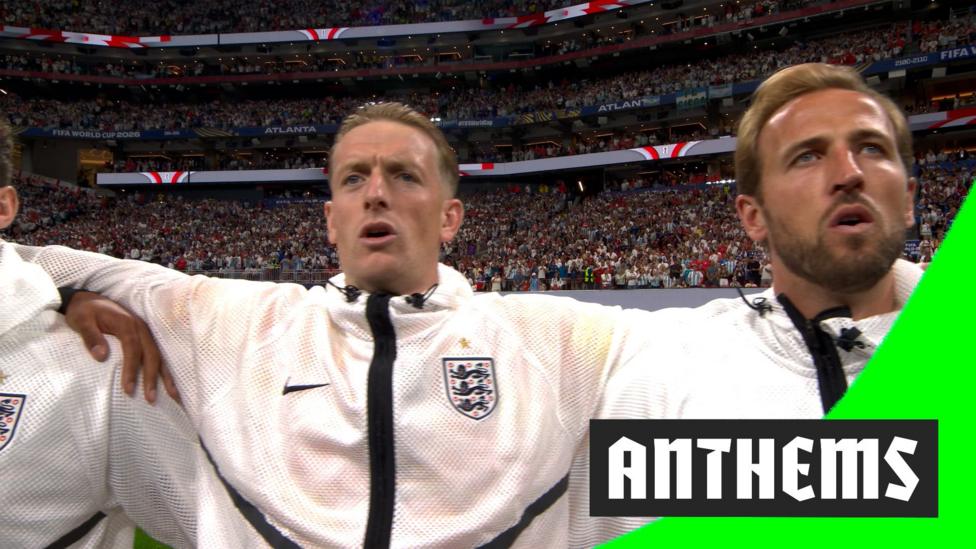
Atlanta Roar Drowns Anthems as England Face Argentina in World Cup Semi
A deafening Atlanta Stadium soundtrack swallowed both national anthems before England and Argentina collided for a place in the 2026 World Cup final.