Backstedt Commands Welsh Sweep at British Time Trial
Zoe Backstedt defends her British time trial crown, leading an unprecedented all-Welsh podium in Lampeter.
The clock hits zero. The roar rips through the Lampeter countryside.
Zoe Backstedt crosses the line, the numbers on the timing board confirming what the Welsh crowd already suspected. She has done it again.
But the real drama unfolds over the next few minutes. As the remaining contenders cross the line, a staggering reality takes shape. This isn't just a victory for Backstedt. It's a complete annexation of the top step and everything below it.
An all-Welsh podium. On home soil. In 2026.
Backstedt retains her British national elite women's time trial title, but the narrative stretches far beyond a single rider defending her crown. This is about a generation. A system. A golden wave of Welsh talent that has officially swallowed the rest of the nation.
The Edge of the Storm
Lampeter provided a brutally honest canvas. Rolling roads, shifting winds, and a course that punishes hesitation.
Time trials strip away the peloton's camouflage. There is no drafting, no hiding in the bunch. Just the rider, the machine, and the relentless pursuit of seconds.
Backstedt understood the assignment from the first pedal stroke.
She didn't just win. She imposed her will on the route, using the technical sections to establish gaps that her competitors simply could not close. The rhythm was unmistakable: fluid on the flats, aggressive into the headwind, devastating on the drags.
"When you race on roads you know, you don't just ride the course. You ride the memories. Every training loop, every winter sprint, it all comes back." — Insights from the Welsh camp post-race
Anatomy of a Domainance
Sweeping a national podium requires more than one outlying talent. It demands depth. It demands riders who grew up racing each other, pushing each other, refusing to let the standard drop.
Welsh cycling has been building toward this moment for a decade.
The structural investment in the sport across Wales has shifted from grassroots to elite production. Regional hubs, specialized coaching, and a culture that treats time trialing as a discipline rather than an afterthought.
Consider the layers of this result:
- Backstedt leads the sweep, confirming her status as the preeminent time trialist in the country
- The second and third place riders match her nationality, underscoring a systemic advantage
- The home crowd in Lampeter provides an intangible edge that visiting riders cannot replicate
- The 2026 championship will be remembered as the year Wales closed the door on the competition
What the Numbers Reveal
Time trial results tell stories that raw finishes cannot.
While specific gap times wait for official ratification, the visual evidence was stark enough. Backstedt's aerodynamic position barely shifted over the duration. Her power output on the climbs created immediate daylight.
The Welsh riders behind her didn't fade in the final kilometers either. They consolidated. While riders from other regions visibly fought their gearing in the closing stages, the Welsh trio maintained cadence and composure.
That's coaching. That's preparation. That's a program that respects the discipline.
Behind the Deal: The Welsh System
This wasn't an accident.
Behind every all-Welsh podium is a machinery that most fans never see.
The investment pathways in Welsh cycling have outpaced other home nations in recent years. Sponsorship deals targeting regional talent, integrated academy structures linking junior racing to elite competition, and a deliberate emphasis on producing time trial specialists rather than just road racers.
"We stopped trying to produce all-rounders and started producing speciaiists. That decision five years ago is paying dividends today." — Welsh cycling program insider
The commercial side matters too.
Welsh cycling attracts partners who want regional identity. That funding flows into equipment, wind tunnel testing, and training camps that rival programs in England and Scotland simply cannot match at the same scale.
This result in Lampeter validates every controversial selection choice, every budget allocation that prioritized the clock over the bunch sprint.
The Rest of Britain Left Scrambling
For English, Scottish, and Northern Irish riders, this championship represents a harsh reality check.
The gap isn't marginal anymore. It's structural.
Riders from other nations arrived in Lampeter expecting to compete for podium places. They leave realizing the Welsh have moved the benchmark entirely.
The psychological impact compounds the physical one. When you know the riders ahead of you have proven infrastructure behind them, winning back territory becomes a multi-year project, not a next-season fix.
Expect coaching reviews, talent identification overhauls, and some uncomfortable conversations in performance meetings across the border.
The Backstedt Factor
Amid the systemic success, Zoe Backstedt stands apart.
Retaining a national title carries specific pressures. The target on your back grows. Your preparation becomes public knowledge. Every weakness is dissected by opponents looking for a crack.
Backstedt didn't just survive that scrutiny. She weaponized it.
Her approach to the 2026 defense showed a rider comfortable with expectation. Where debut champions sometimes ride with the anxiety of proving themselves, Backstedt rode with the authority of someone reclaiming what she already owns.
The family pedigree looms large here.
With a background deeply rooted in professional cycling, Backstedt processes pressure differently than riders who discovered the sport late. The scoreboard doesn't lie: she is the standard, and the standard remains in Wales.
What Lampeter Means for the Future
The 2026 championship will resonate long after the road barriers come down.
For Wales, the validation creates momentum. Young riders watching from the roadside or on screens just saw proof that their system produces champions. Recruitment into the academies will accelerate. Sponsors will double down.
For British cycling as a whole, the all-Welsh podium should function as both warning and invitation.
The warning: the competitive gap is widening, and parity is no longer the default.
The invitation: this is what targeted investment actually looks like when it works.
Other nations must respond. Not with panic, but with the same strategic patience that Wales demonstrated five years ago when they pivoted toward specialization.
The time trial remains cycling's most honest discipline.
You cannot buy luck over a closed course. You cannot draft your way to a national title. You can only produce the watts, hold the line, and trust the preparation.
In 2026, Wales trusted its preparation. Britain's other nations must now find a way to match it.
The clock doesn't care about history or reputation. It only records who was fastest.
Right now, that answer belongs entirely to one small nation with massive ambition.
Editorial Integrity
This is an original SportPulse article written by our editorial team. All content is independently researched, written, and reviewed by our writers and editors before publication. We do not publish copied, aggregated, or syndicated content.
SportPulse is committed to original sports journalism. Read our editorial policy or contact us with any questions.
More Like This
All long-reads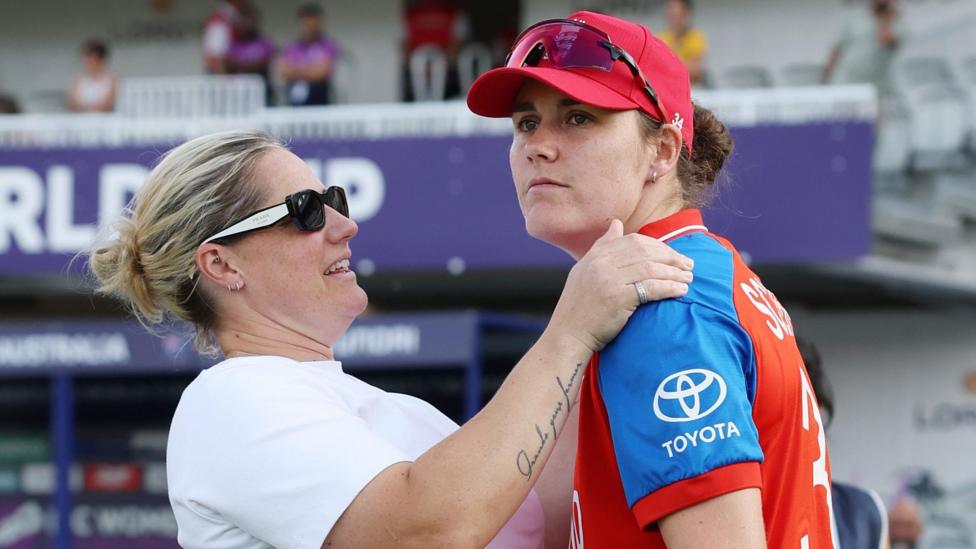
Sciver-Brunt confronts 'mum guilt' as she steps into coaching
The former England fast bowler opens up about the emotional cost of pursuing a coaching career while raising a family.
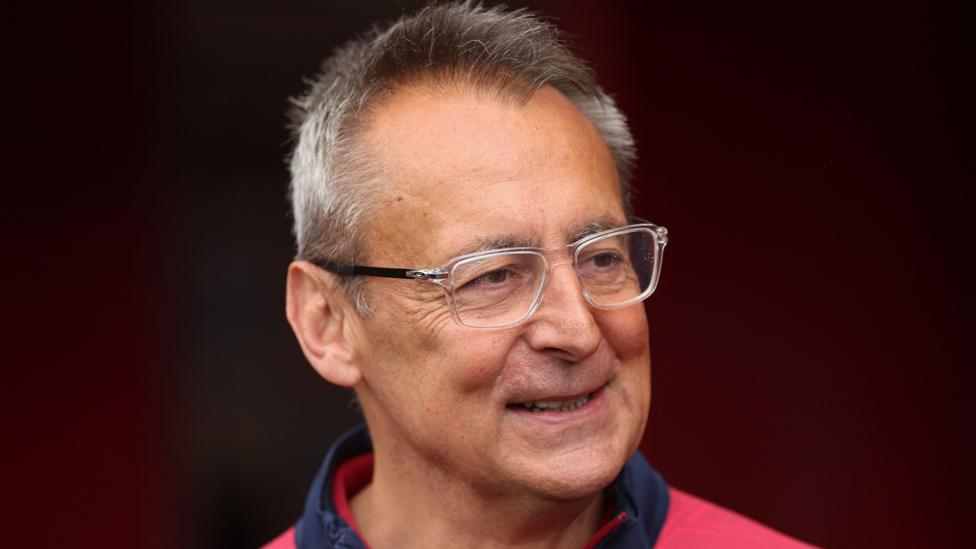
Scarlets Turn to Familiar Face as Davies Returns on Two-Year Deal
Nigel Davies, the former Wales centre, takes charge of the Scarlets with a mandate to restore identity and ambition.

Conway's Centurion Conviction Silences Trent Bridge
Devon Conway's composed eighth Test century under pressure steadied New Zealand on day one of the decisive third Test at Trent Bridge.