BBC Locks Down Home Nations Football Amid Fierce Broadcasting Wars
BBC secures Scotland, Wales and Northern Ireland internationals, reinforcing its grip on home nations football in a shifting media landscape.
A Quiet Power Move in a Noisy Market
While the Premier League's astronomical broadcasting deals dominate headlines and the Champions League's new format sparks endless debate, the BBC has quietly pulled off something increasingly rare in modern football media: it kept what it already had. The corporation has extended its deal to broadcast men's international matches for Scotland, Wales, and Northern Ireland, ensuring that home nations football remains on free-to-air terrestrial television until 2028.
This is not a story that will break the internet. But it matters more than most people realise. In an era where football content is being carved up and auctioned off to streaming platforms, pay-TV conglomerates, and tech giants with bottomless war chests, the BBC holding firm on home nations coverage is a statement of intent. It is also a lifeline for millions of fans who have watched the slow erosion of accessible football with increasing alarm.
The details of the new arrangement have not been publicly disclosed in granular financial terms, and that silence is itself telling. Broadcasting rights negotiations for international football involving the home nations operate in a different stratosphere to, say, the Premier League's £6.7 billion domestic deal. But the value of these fixtures to the BBC extends well beyond raw viewership numbers.
The Strategic Calculus Behind the Deal
Let's be honest about the landscape. England's men's international fixtures are not part of this package. Those matches have bounced between broadcasters in recent years, with Channel 4 securing a notable deal to show England games before the rights became subject to further competition. England, with its commercial gravity and global fanbase, operates in a different tier of the market.
Scotland, Wales and Northern Ireland occupy a space that is fascinating precisely because it doesn't attract the same bidding frenzy. Their matches don't generate the same per-game revenue as England fixtures, but they carry enormous cultural weight for their respective nations. When Scotland qualified for Euro 2020 (played in 2021), it was their first major tournament appearance in 23 years. The scenes across Glasgow, Edinburgh and beyond were electric. Wales' extraordinary run to the Euro 2016 semi-finals remains one of the great modern tournament stories. Northern Ireland's qualification for Euro 2016 and their passionate fanbase created memories that still resonate.
For the BBC, these are not filler content. These are appointment-viewing events in three nations where international football carries a significance that sometimes eclipses domestic league action. BBC Scotland, BBC Wales and BBC Northern Ireland all invest heavily in their football coverage, with dedicated programming, analysis teams and local commentary. The continuation of this deal secures that entire ecosystem.
What the Numbers Tell Us
- Scotland have qualified for back-to-back European Championships (2020 and 2024), a feat they hadn't achieved since the 1990s
- Wales reached the 2022 World Cup in Qatar, ending a 64-year wait for a World Cup appearance
- Northern Ireland's peak TV audiences during Euro 2016 exceeded 700,000 viewers, a staggering figure for a population of 1.9 million
- BBC's home nations football coverage regularly draws audiences of 500,000 to over 1 million for competitive fixtures
These numbers may look modest next to an England friendly that pulls 5 million plus, but they represent an outsized share of each nation's available viewing public. The cultural return on investment is enormous.
The Streaming Threat and Free-to-Air's Last Stand
This deal cannot be understood without acknowledging the existential pressure facing free-to-air broadcasters. DAZN, Amazon Prime Video, Apple TV+ and others have been aggressively expanding into live football. Amazon already holds a package of Premier League matches. DAZN has gobbled up rights across multiple European leagues. The direction of travel is unmistakable: more football behind paywalls, fewer matches available to the casual viewer.
The BBC's position is unique. It operates on a licence fee model, meaning it doesn't need to generate advertising revenue from individual broadcasts in the way ITV or Channel 4 might. This gives it a degree of flexibility. It can value a Scotland vs. Croatia Nations League fixture not purely on its commercial return but on its contribution to the BBC's public service remit. Broadcasting home nations football fulfils the corporation's mandate to serve all parts of the United Kingdom, not just England.
That's a powerful argument when the licence fee itself comes under periodic political scrutiny. Every time a Welsh MP can point to live coverage of a Wales qualifier on BBC One, it strengthens the case for the corporation's continued funding model. This is broadcasting rights as institutional armour.
The Nations League Effect
The creation of UEFA's Nations League in 2018 fundamentally changed the value proposition of home nations broadcasting rights. Before its introduction, the international calendar was dominated by qualifying campaigns punctuated by largely meaningless friendlies. Scotland playing San Marino on a Tuesday night in a friendly was, frankly, a tough sell even for the most devoted tartan army member.
The Nations League replaced many of those friendlies with competitive fixtures carrying genuine stakes: promotion, relegation, and a pathway to major tournament qualification. This transformation meant that every international window now contains matches that matter. For broadcasters, that translates directly into higher viewership, more engagement, and greater commercial value.
Scotland, Wales and Northern Ireland have all featured in Nations League campaigns that produced dramatic moments. The sheer volume of meaningful competitive football available to the BBC through this deal has increased substantially compared to the pre-2018 era. More competitive matches means more reason for the BBC to invest in high-quality production, which in turn drives viewership. It's a virtuous cycle that strengthens the case for this renewal.
Fan Access: The Unsexy but Essential Argument
Here's the part of this story that rarely makes headlines but matters most to real supporters. Not every fan can afford a subscription to every streaming platform. Not every household in rural Wales or the Scottish Highlands has reliable broadband. Free-to-air access to international football is not a luxury; for many communities, it's the primary way they connect with their national team.
The BBC's continued commitment to broadcasting these fixtures ensures that a 16-year-old in Caernarfon watching Wales for the first time can do so without needing a credit card. It means a family in Belfast gathering around the television for a Northern Ireland qualifier doesn't need to navigate three different apps. This accessibility argument sounds sentimental, but it has practical, political and cultural weight.
In England, the debate about which matches should be on free-to-air is long-standing and largely unresolved. The home nations, by virtue of the BBC's deal, have largely avoided that fight. Their supporters have, for now, a reliable home for their national team's football.
The Bottom Line
The BBC's extension of its home nations broadcasting deal won't generate the headlines of a Premier League mega-deal or a Champions League rights shake-up. But it represents something increasingly scarce in the modern football media landscape: stability, accessibility and institutional commitment to the grassroots of the sport.
For Scotland, Wales and Northern Ireland, it means their football remains visible, democratic and shared. In an age where sport is increasingly locked behind paywalls and fragmented across a dozen platforms, that's no small thing. The BBC hasn't just renewed a contract. It's made a quiet declaration that some things in football should remain free at the point of access.
The question now is how long that principle can hold. As streaming platforms circle ever more aggressively and traditional broadcasters face financial pressure, deals like this one may become the exception rather than the rule. For now, though, the home nations retain something precious: their football on the people's channel.
What Comes Next
The real test of this deal's value will play out over the coming international cycles. Scotland are building under their current setup with ambitions to become a regular presence at major tournaments. Wales are navigating a generational transition following the retirement of Gareth Bale, their greatest-ever player. Northern Ireland are in a rebuilding phase, searching for the kind of collective spirit that carried them to Euro 2016. Their upcoming Nations League campaign and EURO 2028 qualifiers will now be broadcast live on the BBC as part of this extended deal.
Each of those narratives will unfold on BBC screens across the United Kingdom. The storylines are rich, the stakes are real and the audience, while niche compared to England's global reach, is deeply invested. That depth of engagement is what broadcasters dream of, even if the raw numbers don't match the Premier League's gravitational pull.
In the end, this is a story about football's relationship with its communities. The BBC, for all its critics and controversies, understands something fundamental: national team football in Scotland, Wales and Northern Ireland isn't just content to be monetised. It's a cultural institution. And this deal, quiet as it is, honours that reality.
Updated: 2026-06-24 — Added specific duration of deal until 2028 and details of Northern Ireland's Nations League and EURO 2028 qualifiers being broadcast live on the BBC.
Editorial Integrity
This is an original SportPulse article written by our editorial team. All content is independently researched, written, and reviewed by our writers and editors before publication. We do not publish copied, aggregated, or syndicated content.
SportPulse is committed to original sports journalism. Read our editorial policy or contact us with any questions.
More Like This
All football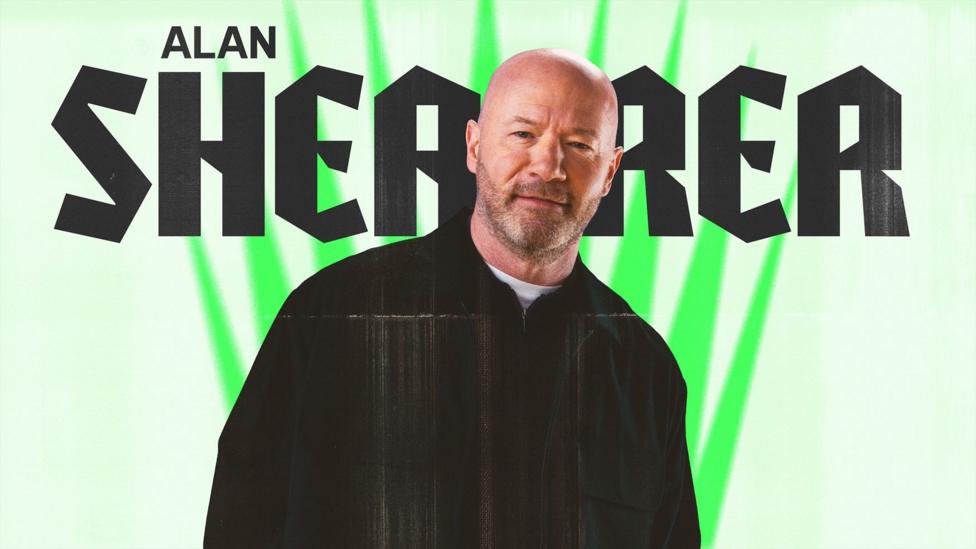
Shearer: Why England Won't Fear The Azteca Under Tuchel
Alan Shearer insists altitude and history won't rattle Tuchel's England as a new era targets intimidation-free football in Mexico City.
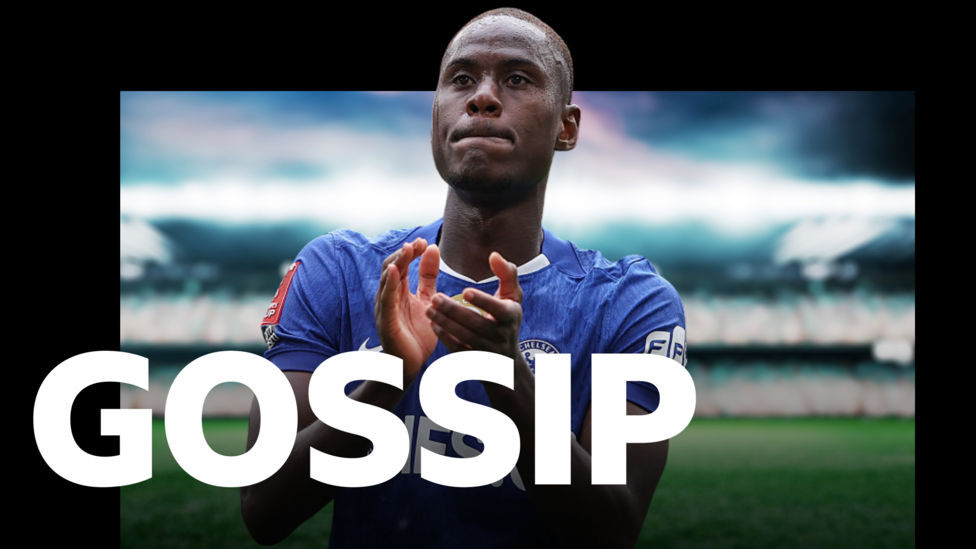
Chelsea's Summer Exodus Heats Up as Como Test the Waters for Chalobah
Como launch a bid for outcast Trevoh Chalobah as Chelsea's squad teardown accelerates across Europe.
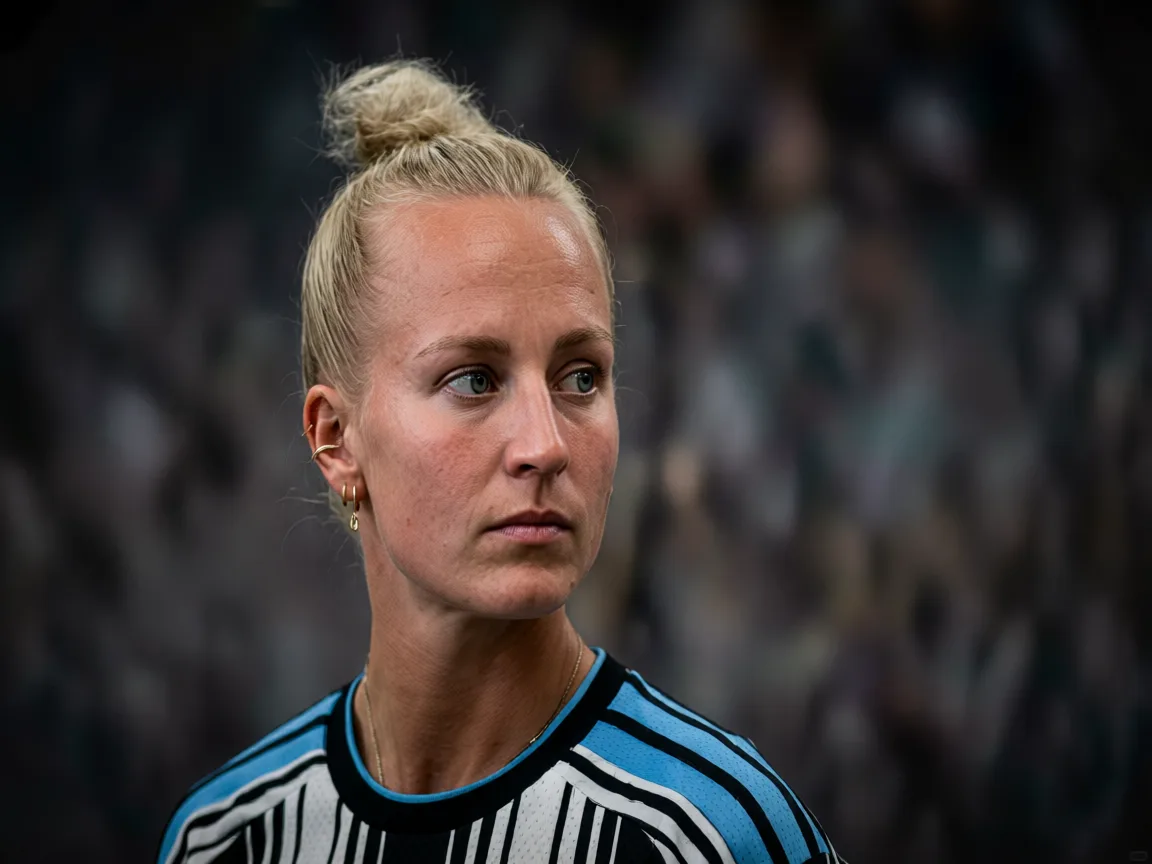
Newcastle's McLauchlan Capture Signals Bold WSL Ambition
Newcastle land Brighton's Rachel McLauchlan as WSL2 promotion push accelerates beyond mere participation into genuine ambition.