BBC Hunts For Scotland's Lost World Cup Footage
The BBC wants fan-filmed archives from Scotland's World Cup history before the memories fade into obscurity.
The BBC has issued an open call for fan-filmed footage documenting Scotland's World Cup campaigns. The broadcasting giant wants to tell the story of the national team's tournament history from the terraces, not the press box. It is a race against time to rescue these memories from fading attics and obsolete camcorders.
Scotland's relationship with the World Cup is defined by a brutal kind of devotion. The Tartan Army travels in staggering numbers, transforming host cities into seas of saltires and sound. Yet the on-pitch returns have been historically grim, making the fan experience the true prize of the tournament.
This upcoming BBC programme aims to capture exactly that. They want the shaky handheld camera work, the amateur commentary from the pub, and the raw, unfiltered despair of yet another group stage exit. It is an archival rescue mission disguised as a documentary.
The Golden Generations That Never Were
Scotland co-qualified for the 1954 tournament in Switzerland, marking their debut on the global stage. They failed to advance past the first round. That tournament set a grim template that would haunt the nation for decades.
In 1974, Scotland arrived in West Germany unbeaten and genuinely feared. They became the first team in World Cup history to be eliminated at the group stage without losing a single match. Goal difference conspired against them, turning an unbeaten record into a historic tragedy.
Four years later in Argentina, the trauma deepened. Scotland needed just a draw against Peru to advance but crumbled to a 3-1 defeat. The infamous Willie Johnston failed doping test overshadowed the campaign. Then came the 1978 spectacle against the Netherlands, where Archie Gemmill scored one of the greatest goals in tournament history. Scotland won 3-2 but still went home early.
The 1982 tournament in Spain offered another permutation of heartbreak. A 2-2 draw against the Soviet Union sent Scotland packing despite a strong squad. By 1986 in Mexico, the squad was aging, and the intensity had faded. A 0-0 draw with Uruguay was not enough to survive the group.
1990 in Italy marked the end of an era. It was Scotland's fifth consecutive World Cup appearance, a streak that seems almost impossible today. A 1-0 loss to Costa Rica shocked the football world and signaled the slow death of Scotland as a perennial tournament side.
Why Fan Archives Matter Now
Professional broadcast footage from those eras exists, but it tells a sanitized story. The BBC cameras captured the goals, the saves, and the post-match interviews. They missed the chaos. They missed the localized heartbreak in the stands.
Fan-shot footage offers an unscripted reality. It captures the tension of watching from temporary fan zones. It records the uncompressed agony when a goal goes in at the wrong end. These grainy tapes are historical artifacts, preserving the sociology of football fandom rather than just its technical execution.
The urgency is real. VHS tapes degrade. Camcorder batteries die permanently. The supporters who traveled to those tournaments are aging. If this footage is not digitized now, it risks being lost to entropy forever. The BBC is effectively recruiting the public to save their own history.
It also shifts the power dynamics of sports storytelling. For decades, the narrative of Scottish football on the global stage has been written by journalists and analysts. Handing the camera over to the fans reframes the entire ordeal. The tournament stops being about tactical failures and starts being about communal endurance.
The Anatomy Of A Heartbreak Tribe
The Tartan Army is a phenomenon unlike almost any other in international football. They consistently win FIFA Fair Play awards. They drink cities dry but rarely spark serious violence. Their reputation as congenial, tragic romantics precedes them globally.
Their waste of emotional capital is genuinely staggering. Scotland has appeared in eight World Cups. They have advanced past the first round exactly zero times. No other nation with that level of tournament exposure has a worse return on investment.
Yet the numbers never dwindle. The demand for tickets always outstrips supply. The fans fund trips to hostile climates and foreign capitals with the full, preemptive knowledge that disappointment is the most likely outcome. That specific brand of fatalism requires a deep psychological commitment.
A documentary told through their lenses captures the absurdity of this devotion. It answers why anyone keeps showing up when the outcome is already etched in stone. The answer is community. The answer is stubborn pride. The answer is the collective experience of losing together.
Imagine the atmosphere inside the dressing room of a supporter's club after that 1978 Peru loss. The silence would have been deafening, punctuated only by the clink of drained glasses and the rustle of discarded flags. The BBC wants to find the person who kept the camera rolling through that specific silence.
A New Era Of Fandom And Fading Hopes
Scotland has not reached a World Cup since 1998. That is a 26-year drought. The pain of tournament absence has replaced the pain of group stage elimination, creating a totally different psychology for the Tartan Army.
Recent campaigns have offered nothing but fresh scars. The delayed 2020 European Championship saw Scotland finally reach a major tournament again, only to finish bottom of their group with a single point. The dream of ending the group stage curse survived, but the dream of advancing remained just as dead.
World Cup qualifying under Steve Clarke brought familiar frustration near-misses rather than joyful breakthroughs. The team has improved tactically, making Nations League gains. But the World Cup remains a different beast entirely. The gap between Scotland and automatic qualification feels like a permanent chasm.
Modern fan culture has changed how these campaigns are documented anyway. Smartphones guarantee that every major moment now gets recorded from a hundred different angles. Social media preserves the instant emotional reaction, unfiltered and permanent. The physical archives of the seventies and eighties remain precious because they exist in the narrow gap between the invention of portable video and the dawn of the digital age.
What It Means
This BBC project is a vital intervention in football history. It recognizes that the soul of a national team does not exist solely on the grass. It lives in the stands, in the bars, and in the living rooms where the game is actually consumed and processed.
For Scotland, it is a chance to reframe a narrative of pure failure. The World Cup record is objectively terrible on paper. But the fan record is one of incredible resilience, loyalty, and cultural force. Finding these lost tapes proves that the Tartan Army's story is worth telling independently of whatever the scoreboard says.
Submitting your footage is not just about getting on television. It is about ensuring that the sacrifice of following Scotland through decades of hurt is formally recorded in the historical canon. It is about proving that showing up matters, even when winning does not happen. The world needs to see the footage from the terraces before the tape goes blank.
Editorial Integrity
This is an original SportPulse article written by our editorial team. All content is independently researched, written, and reviewed by our writers and editors before publication. We do not publish copied, aggregated, or syndicated content.
SportPulse is committed to original sports journalism. Read our editorial policy or contact us with any questions.
More Like This
All football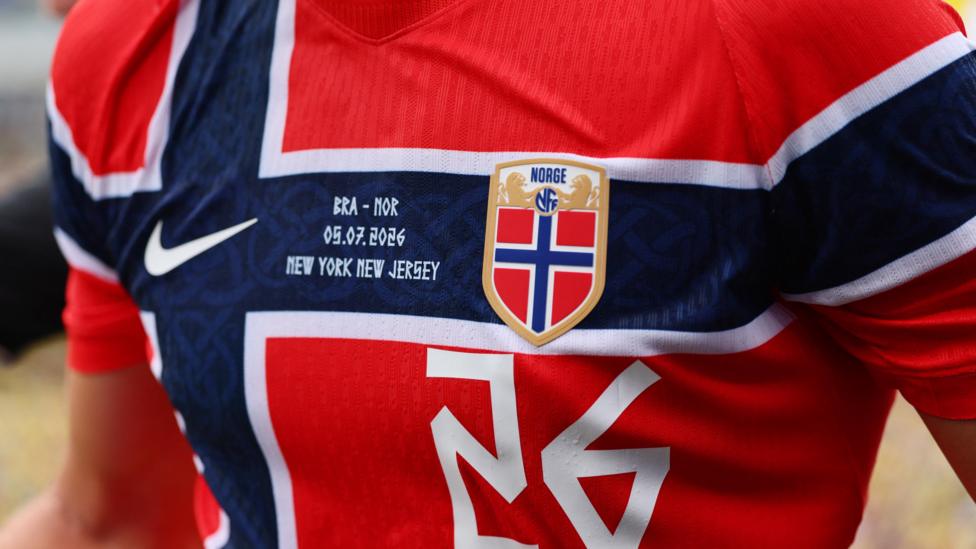
Norway Shirts Sold Out: Supply Chain Meets Tactical Renaissance
Norway's tactical evolution under Solbakken has created surging shirt demand that suppliers cannot meet before the England fixture.
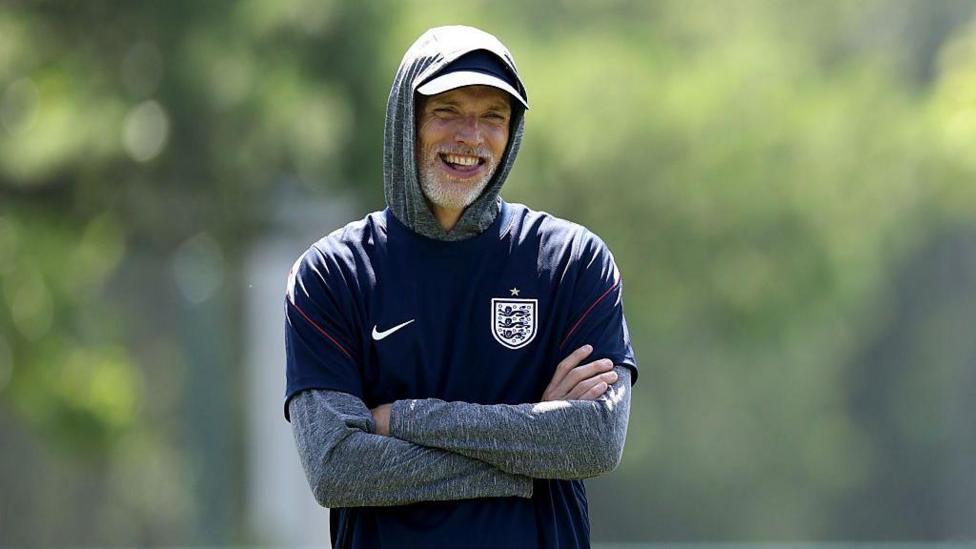
Tuchel Inherits Southgate's Penalty DNA — And England's Shootout Psyche
Tuchel's commitment to Southgate's penalty blueprint reveals how modern international coaching treats shootouts as a science.
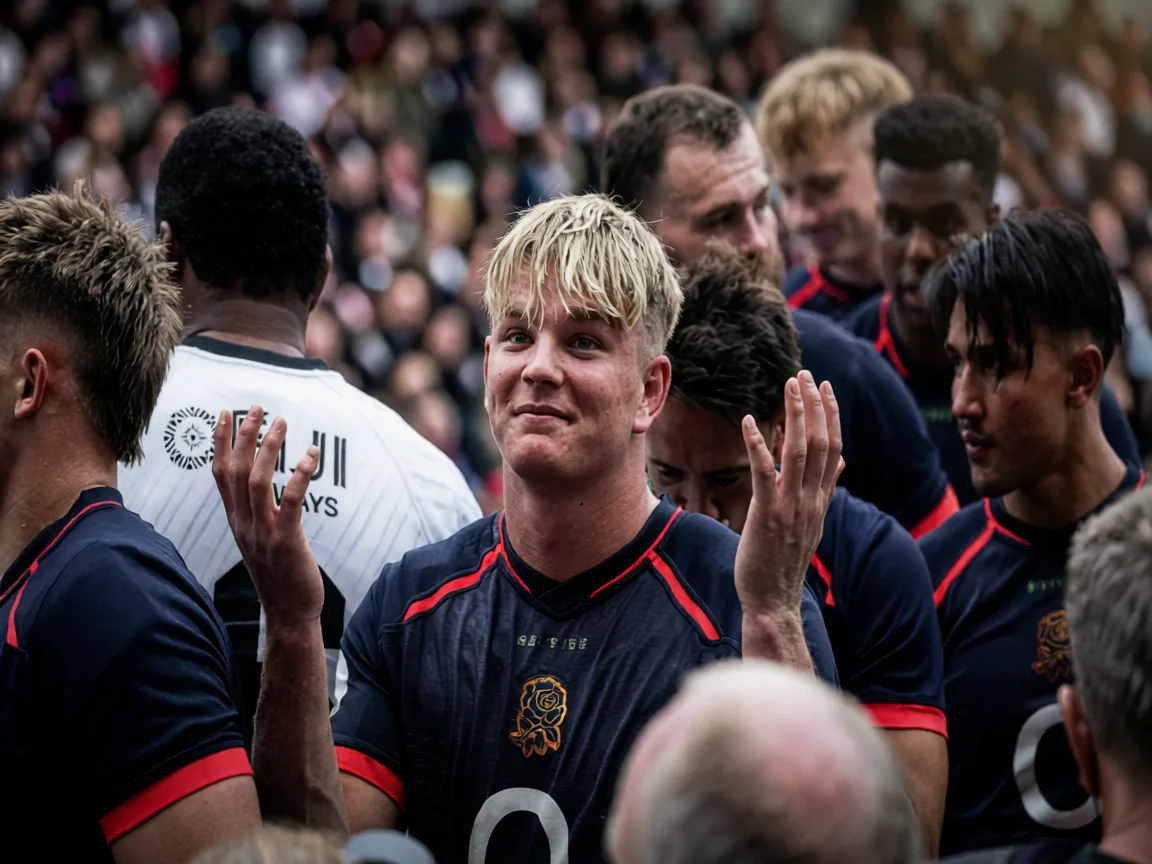
Pollock's Treble Forces Borthwick Into a Selection Reckoning
Henry Pollock's second-half hat-trick for England demands a starting spot. Steve Borthwick can no longer ignore the rising star.