BBC's 3D World Cup Replays Change Tactical Analysis Forever
BBC Sport's 3D Experience grants fans full-pitch tactical views, permanently shifting how we consume and analyze football.
Forget the Highlights. Forget the garbage-time angles that broadcast directors shove down our throats. The real revolution in football viewing isn't about what happens in the penalty box. It is about the invisible geometry of the pitch. BBC Sport's new 3D Experience, which allows fans to replay every World Cup match from a full-pitch tactical view, isn't just a nifty gadget. It is a paradigm shift in how we consume, understand, and ultimately debate the beautiful game.
For decades, the average football fan has been forced to watch the sport through a claustrophobic keyhole. Traditional broadcast framing follows the ball with an obsession that borders on neurotic. You see the passer. You see the receiver. What you don't see is the space. You miss the No. 10 dropping into a pocket between the lines. You miss the inverted winger pinning the fullback deep. You miss the defensive line synchronizing their step to execute the offside trap. BBC's 3D Experience smashes that keyhole open.
The End of Broadcast Myopia
The standard television feed operates on a fundamental deception. By tightly framing the action, it artificially compresses the pitch. A midfielder stroking a 30-yard diagonal looks heroic when the camera snaps to the receiving winger. On a full-pitch tactical view, that same pass reveals the preceding 15 yards of off-the-ball movement that dragged the defender out of the passing lane.
This technology democratizes tactical literacy. Coaches and analysts have accessed these top-down, all-22 perspectives for years via specialized software. Now, the fan in the pub has the same vantage point as the analyst in thetraining ground bunker. That changes the power dynamic of football discourse completely.
When you can rotate the camera 360 degrees and zoom out to see the entire pitch, the narrative of a match transforms. A disjointed, end-to-end slog on TV suddenly reveals itself as a meticulously structured tactical chess match. Or, more damningly, a supposedly dominant possession team gets exposed as a stagnant block occupying the same horizontal lanes.
What the Tactical View Exposes
- Defensive shape under pressure: See exactly how a back four retreats and whether the midfield screen offers legitimate cover or just theatrical pressing.
- Spacing in transition: Measure the actual distance between attackers when possession is turned over. Spoiler: it is usually far worse than commentators suggest.
- Off-ball runs: Track the decoy movement that creates the shooting lane, completely invisible on a standard lateral camera.
- Set-piece architecture: Watch the choreography of a corner kick unfold from a bird's-eye view, revealing blocking schemes and late rotations.
Why This Matters for Modern Football
Football analytics has exploded over the last decade, but the general public's access to visualizing those analytics has lagged behind. We talk about Expected Goals (xG) and Pass Completion Percentage in the abstract, relying on numbers to paint a picture our eyes never saw on the broadcast. The 3D Experience bridges that gap.
Consider the modern tactical obsession: the high press. Everyone praises a team that presses aggressively. But what does a successful press actually look like before the turnover happens? On television, you see the forward sprinting to close down the center-back. You celebrate the intensity. On the tactical cam, you see the entire team shifting as a cohesive unit, cutting off the lateral passing options, shrinking the field, and forcing the ballcarrier into a predetermined trap. The forward gets the credit; the system did the work.
"The camera follows the ball, but the ball is just the symptom. The disease, or the cure, is in the space between the players."
The implications stretch beyond mere armchair coaching. This tool fundamentally alters match analysis for everyone from serious bloggers to podcast hosts. You can no longer rely on the broadcast narrative to support a flimsy tactical argument. The data is readily available to prove or disprove your thesis. Did a midfielder really have a poor game because his passes went sideways? Or was he the crucial metronome holding the team's horizontal spacing while the attackers failed to make vertical runs? The 3D replay provides the courtroom evidence.
The Shift in Fan Discourse
- Eye Test Supremacy Declines: The traditional "I watched the game, trust me" argument holds no water when your opponent can pull up a top-down view proving you only watched the ball.
- Space Over Individual dribbling: Appreciation for structural play will rise. Players who excel in ghosting into spaces and manipulating marking will finally get their visual due.
- Manager Critique Becomes Nuanced: Blanket criticism of a manager's system falls apart when fans can see the system was sound but the execution failed.
The Technological Leap Forward
Building a seamless, broadcast-quality 3D replay system for a tournament the scale of the World Cup is an engineering nightmare. This isn't a video game engine approximating player positions. This is real-time, volumetric data capture synced with broadcast footage.
We are talking about tracking 22 players simultaneously at high frame rates, rendering them in a navigable 3D environment, and serving it up without latency. The computational power required to stitch together multiple camera angles and generate a fluid, user-controlled experience is staggering. BBC Sport has essentially placed a video game camera rig inside a real, living football match.
Previous iterations of tactical cameras were clunky. They offered a stiff, barren overhead view that felt clinical and detached. The leap here is in the user control. Being able to swing the angle, pause the play, and isolate specific phases of play makes the analysis active rather than passive.
The Verdict on the Revolution
The Bottom Line: BBC Sport's 3D Experience is not a peripheral novelty. It is the first real step toward making the advanced tactical understanding of football a mainstream capability. It kills the tyranny of the tight shot, empowers the viewer, and forces a higher standard of football discourse.
Will every fan use it? Of course not. Many will stick to the comfort of the traditional feed, happy to let the director dictate the drama. But for the growing segment of the football intelligentsia, the ones who care about the how as much as the who, this is the new standard.
What Comes Next
This is the obvious starting point, not the destination. The inevitable next iteration layers live data directly onto the 3D environment. Imagine panning around a replay and seeing passing probability lines, pressing intensity heat maps, or sprint speed metrics hovering above individual players in real time.
Broadcasters will eventually integrate this technology into the primary viewing experience. Within five years, we will likely have picture-in-picture tactical cams as a standard secondary feed during live matches. The clubs themselves may even find ways to use this public-facing data to cross-reference their internal proprietary systems.
For now, the World Cup archive is the testing ground. It is a sandbox for fans to re-evaluate everything they thought they knew about the matches they watched. Some narratives will survive the 3D scrutiny. Many will not. And the game will be better understood for it.
Editorial Integrity
This is an original SportPulse article written by our editorial team. All content is independently researched, written, and reviewed by our writers and editors before publication. We do not publish copied, aggregated, or syndicated content.
SportPulse is committed to original sports journalism. Read our editorial policy or contact us with any questions.
More Like This
All football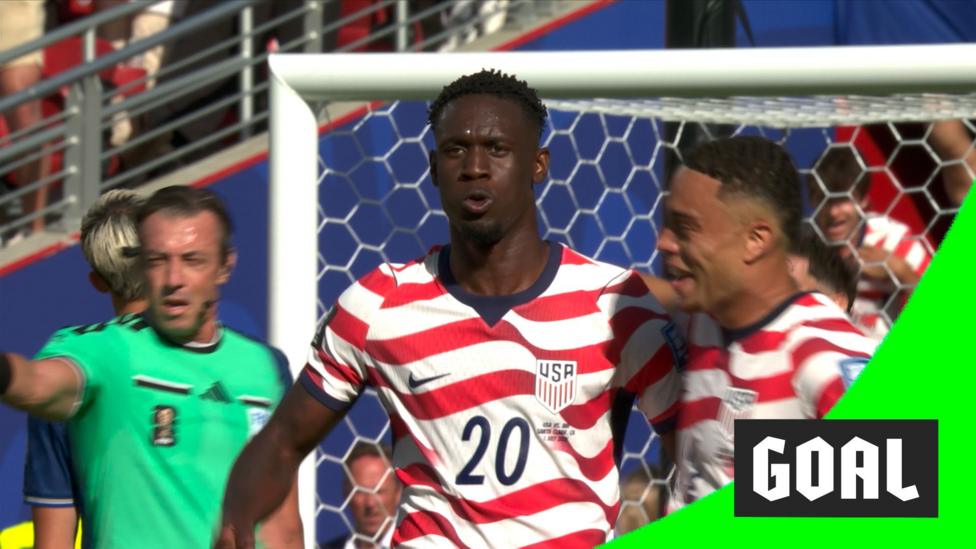
Balogun Delivers: USA Strike Breaks Bosnia Deadlock in World Cup Knockout Drama
Folarin Balogun's breakthrough goal puts the USA ahead in a tense Round of 32 clash at a home World Cup.
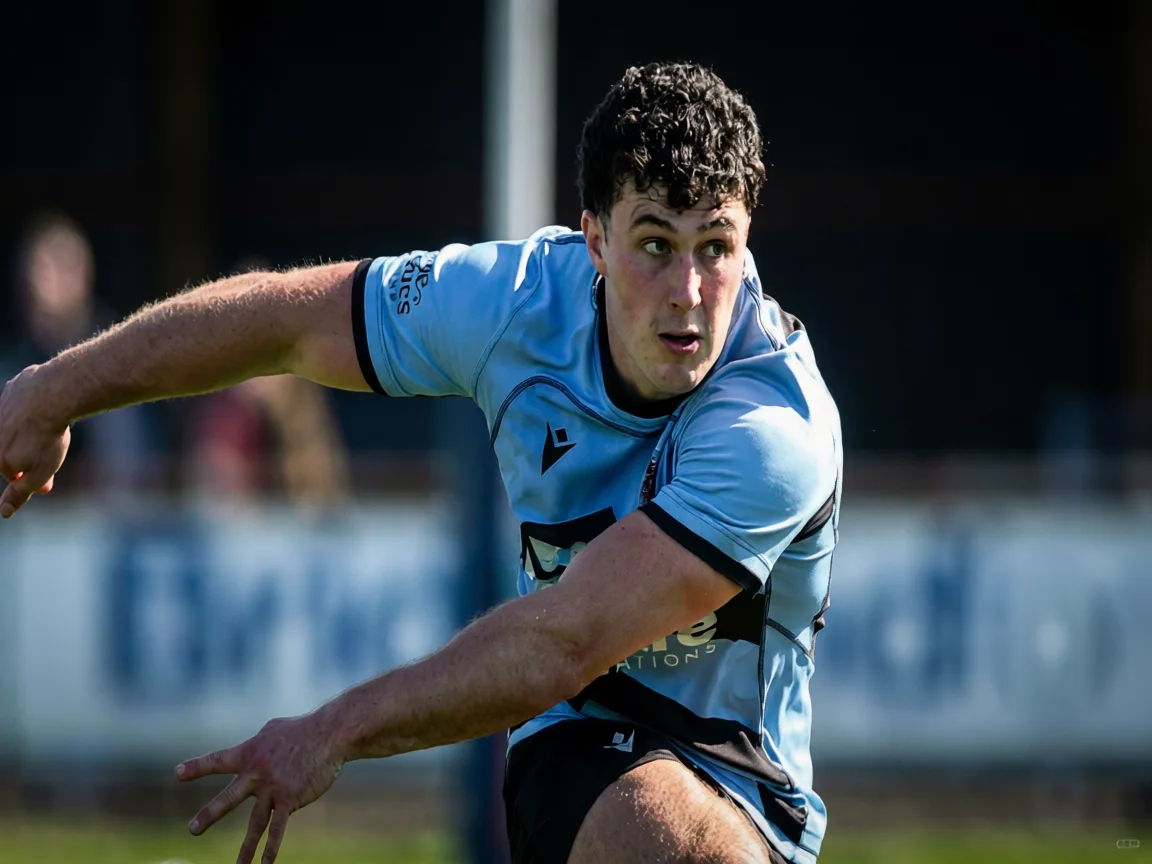
Wilde Card: Ospreys Pin Hopes on Cardiff's Playmaking Prodigy
Cardiff sanction surprise move for promising playmaker Harri Wilde to fierce rivals Ospreys ahead of 2025-26 campaign.

Lennon, Levein & Neilson: The Voices Cutting Through World Cup Noise
BBC Sportsound enlists Neil Lennon, Craig Levein and Robbie Neilson to decode a World Cup reshaping football's tactical and cultural hierarchy.