BBC's World Cup Delivers Record-Breaking Audience Across Every Platform
BBC Sport transformed World Cup consumption with a cross-platform broadcast strategy that shattered previous viewership records.
A Broadcast Masterclass
BBC Sport just delivered the most-watched World Cup in the network's history. Every metric shattered. Every platform surged.
Alex Kay-Jelski, Director of Sport at the BBC, framed the achievement as a collective victory. His message to staff was direct: thank you for making this a World Cup to remember.
The numbers tell a story of unprecedented reach. Linear television, radio, online streaming, and social media all posted record figures throughout the tournament.
This was not a passive ratings win. The BBC engineered a multi-platform ecosystem designed to meet modern football consumption habits head-on.
Redefining Multi-Platform Delivery
The old broadcast model is dead. In its place, a fluid content strategy that follows the viewer across devices and contexts.
Live match coverage anchored the programming. But the surrounding infrastructure did the heavy lifting.
Online streams captured audiences who abandoned traditional television years ago. Social clips traveled virally across platforms the BBC barely prioritized a decade ago.
Radio coverage maintained its loyal core while expanding through digital syndication. The result: a broadcast footprint that touched every demographic.
The strategy reflected a simple truth. Audiences no longer sit down for scheduled programming. They expect content to meet them where they already are.
The Digital Surge
Streaming numbers drove the record. The BBC's online platforms saw audiences dwarf previous tournaments across multiple sessions.
Social media engagement exploded. Match highlights, analysis clips, and behind-the-scenes content generated interaction volumes the BBC had never seen during a World Cup.
This digital wave exposed a fundamental shift in how fans consume major tournaments. The full-match broadcast remains sacred. But the supplementary content drives cultural relevance.
Younger audiences in particular engaged differently. They watched clipped moments on phones. They followed tactical breakdowns on tablets. They consumed the World Cup in fragments rather than marathons.
The BBC met that behavior without abandoning its traditional audience. That balance was the architectural achievement.
The Studio Operation
Inside the BBC's broadcast hub, the atmosphere across the final weeks was electric. Producers, analysts, and technical staff operated on adrenaline and precision.
The studio set became a command center during marquee matches. Analysts debriefed in real time between segments. Production teams coordinated multi-camera feeds, social content drops, and live radio cross-talks simultaneously.
There was no margin for error. Every match window demanded seamless transitions between platforms. The execution required coordination that few outside the industry appreciate.
Staff worked through tournament intensity for weeks. The record numbers were earned in those moments.
Setting the New Standard
"Thank you for making this a World Cup to remember."
Kay-Jelski's message was more than gratitude. It was a statement of institutional confidence.
The BBC entered this tournament facing questions about its position in a fragmented media landscape. Commercial rivals invested heavily. Streaming platforms competed for attention. Social-first outlets nibbled at traditional audiences.
The record performance silenced those questions. The BBC did not just survive the competitive pressure. It weaponized its institutional advantages.
Depth of coverage remains unmatched. The BBC assembled a roster of analysts, commentators, and reporters that no digital upstart could replicate.
Trust matters during major tournaments. Viewers returned to the BBC because the product felt reliable. Punditry had edge. Commentary had authority. Coverage had gravity.
The Tactical Shift in Programming
The BBC's scheduling revealed a sophisticated understanding of audience rhythm.
Early kickoff windows targeted online and social platforms. Prime-time slots fed traditional television. Simultaneous matches leveraged the red button and streaming infrastructure.
This was not random programming. It was engineered consumption. Every broadcasting decision aligned with audience availability and platform preference.
The strategy acknowledged that different matches serve different purposes. A group-stage game between lesser-known sides found its audience through digital highlight packages. A knockout blockbuster demanded full linear treatment.
Global Competition, Local Dominance
The World Cup represents the fiercest broadcasting competition in football. Rights holders worldwide pour resources into coverage that distinguishes their product.
The BBC's record performance stands out in that global context. It outperformed not just its own history but the elevated standard set by competitors across markets.
Investment in talent was visible. Presentation depth made the coverage feel essential rather than optional. Fans who sampled alternatives returned to the BBC for its reliability and insight.
The analysis desk drew particular praise. Football coverage lives or dies by the quality of its punditry. The BBC delivered tactical scrutiny and emotional connection in balance.
What the Record Means
This was not just a ratings triumph. It was a strategic validation.
The BBC proved that a legacy broadcaster can dominate digital engagement without abandoning its core. The multi-platform model deployed during this World Cup will likely become the template for future major tournaments.
For Kay-Jelski and his team, the record represents leverage. Internal support for sports programming tends to follow audience validation. This performance strengthens the case for continued investment in rights and production quality.
The broader industry will take note. Rivals will study the BBC's social strategy. Streaming competitors will examine the balance between linear and digital output.
What This Changes
Future tournament broadcasts now have a benchmark. The BBC raised the standard for what constitutes successful multi-platform sports coverage.
For audiences, expectations will shift. The fragmented consumption model the BBC normalized will become the baseline. Fans will demand content follow them across devices.
For the BBC, this World Cup reaffirms its position as the benchmark for football broadcasting. The question heading forward is whether this model translates to domestic competitions and smaller tournaments.
The record is the message. The execution was the proof. The BBC did not just broadcast this World Cup. It redefined how major tournaments should be delivered.
What It Means
BBC Sport's record-breaking World Cup validates the multi-platform broadcasting model and cements the network's authority in football coverage. The tournament proved that legacy media can win digital audiences without losing traditional viewers.
The strategy deployed across television, radio, online, and social platforms establishes a new standard for sports broadcasting. Rivals will study it. Audiences will expect it.
For the BBC, the challenge now is sustaining this level across future tournaments and domestic competitions. The World Cup provided the stage. The execution provided the proof. The record provides the leverage.
This was not just a broadcasting success. It was a statement about the future of sports media.
Editorial Integrity
This is an original SportPulse article written by our editorial team. All content is independently researched, written, and reviewed by our writers and editors before publication. We do not publish copied, aggregated, or syndicated content.
SportPulse is committed to original sports journalism. Read our editorial policy or contact us with any questions.
More Like This
All football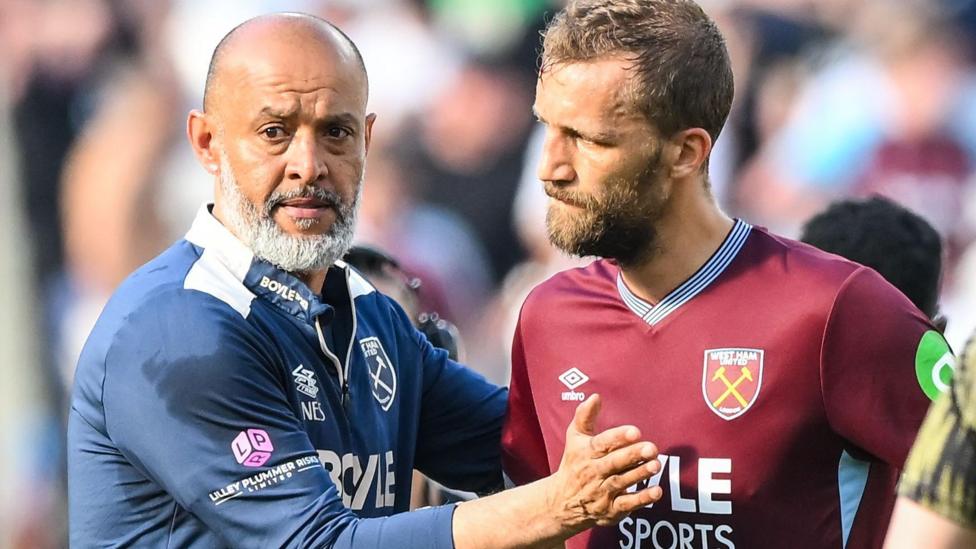
Burnley vs West Ham: Championship Opens With a Relegation Thunderclap
Relegated Burnley host fallen West Ham on the Championship's opening weekend, igniting an immediate battle for redemption.
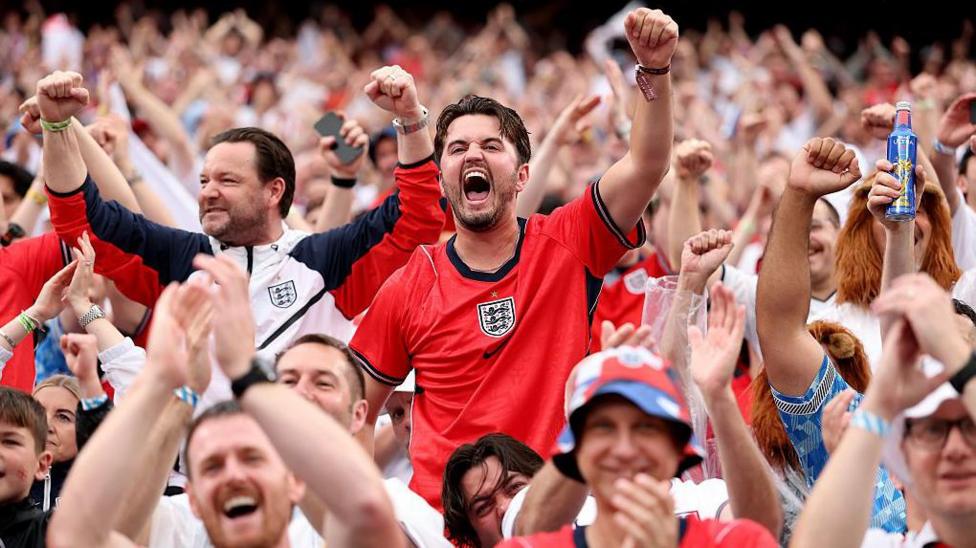
The England Fan Paradox: Angels Abroad, Trouble at Home
England's traveling support draws praise at the US World Cup, yet domestic incidents tell a troublingly familiar story.

Newcastle's Summer of Near Misses and Deliberate Patience
Two targets slip away, but Newcastle are betting on desperation over desperation buying.