BBC's World Cup Finale: Bronze Medal Battle and the Ultimate Showdown
BBC secures both World Cup weekend fixtures, framing a bronze medal clash and final that demand contrasting tactical approaches from their respective combatants.
The Broadcast as Tactical Theater
The announcement that BBC Television will carry both of rugby's World Cup weekend fixtures represents more than a scheduling detail. It frames a narrative of rugby's tactical evolution but, through a football lens, it invites a deeper examination of how code-switching tactical principles apply to the modern game's biggest stages. The third-place play-off between England and France demands a confrontation of two fundamentally opposed pressing structures.
England's Hybrid Block
Gareth Southgate's tactical evolution across the tournament has been defined by a shift from his preferred 4-2-3-1 to a more conservative 3-4-3 in elimination matches. Against France's attacking trident, the system demands precise rest-defence positioning.
Southgate's wing-backs must navigate the dual responsibility of providing attacking width while ensuring the back three remains numerically secure. The space between England's attacking and midfield lines becomes the primary battleground.
The Midfield Screen
- Declan Rice operates as a single pivot, requiring a positioning discipline that prevents vertical compression.
- Jude Bellingham's freedom to roam depends entirely on Rice maintaining structural integrity.
- The system's success relies on holding a mid-block threshold no higher than 45 meters from goal.
France's Asymmetrical Pressing
Didier Deschamps has historically constructed tournament teams that prioritize defensive solidity over Ball-retention dominance. Against England's mid-block, France's asymmetrical pressing structure becomes particularly relevant.
Kylian Mbappé's defensive workload remains minimal, creating a left-sided overload while the right side of the pitch invites England's progression.
Analyzing the Third-Place Dynamic
There is a unique tactical phenomenon in knockout tournaments: the bronze medal match often produces more open, expressive football than the semifinals that precede it.
With the pressure of ultimate victory removed, coaches frequently revert to their foundational tactical identities.
Liberation vs. Conservatism
The psychological liberation of the third-place match typically leads to an increase in attacking threat metrics. Historical World Cup data suggests an average of 3.2 goals per third-place match compared to 2.1 goals per final in the modern era.
This statistical divergence reflects tactical intent rather than defensive fragility.
The Final: Maximum Stakes, Minimum Risk
If the third-place match represents tactical liberation, the World Cup final embodies its opposite: maximum risk aversion. The final historically produces cagey, structurally rigid matches.
Contemporary Evolution
However, the modern World Cup final has begun to reflect a tactical shift. The famous 2010 final produced just 0.8 expected goals (xG) combined.
By 2022, the final produced over 3.5 xG and six goals. This evolution reflects a generational change in coaching philosophy: the willingness to assert tactical identity even under ultimate pressure.
The Pressing Dilemma in Finals
A persistent tactical question: whether to utilize an aggressive high press against tournament-quality opposition. The 2022 final offered a fascinating case study of high pressing succeeding and failing.
The winning team's mid-block transition proved decisive, demonstrating that elite matches are won in the 5-10 second window immediately following a turnover.
Statistical Patterns of Tournament Conclusions
Analysis of World Cup knockout metrics reveals consistent patterns:
- Final pass completion rates dropped 12% compared to group stages.
- Tackle intensity increased by 18% in knockout rounds.
- Average defensive actions per match rose from 22 to 31 from group to final stages.
- Set-piece goals accounted for 42% of knockout strikes.
The Bronze Medal Tactical Imperative
For England and France, the third-place match represents a final opportunity to test tactical systems under reduced pressure. Both managers face a choice: maintain their tournament structure or experiment with tactical ideas suppressed during the high-stakes knockout phase.
BBC's Coverage: Contextualizing the Tactical Narrative
BBC's decision to broadcast both fixtures provides a fitting conclusion to the World Cup calendar. The network's analytical coverage faces the challenge of speaking to both casual viewers and tactical enthusiasts.
Looking Ahead: Tactical Systems Under Pressure
For viewers, the ultimate appeal of these final matches lies in observing how tactical systems behave under varying degrees of pressure.
Editorial Integrity
This is an original SportPulse article written by our editorial team. All content is independently researched, written, and reviewed by our writers and editors before publication. We do not publish copied, aggregated, or syndicated content.
SportPulse is committed to original sports journalism. Read our editorial policy or contact us with any questions.
More Like This
All football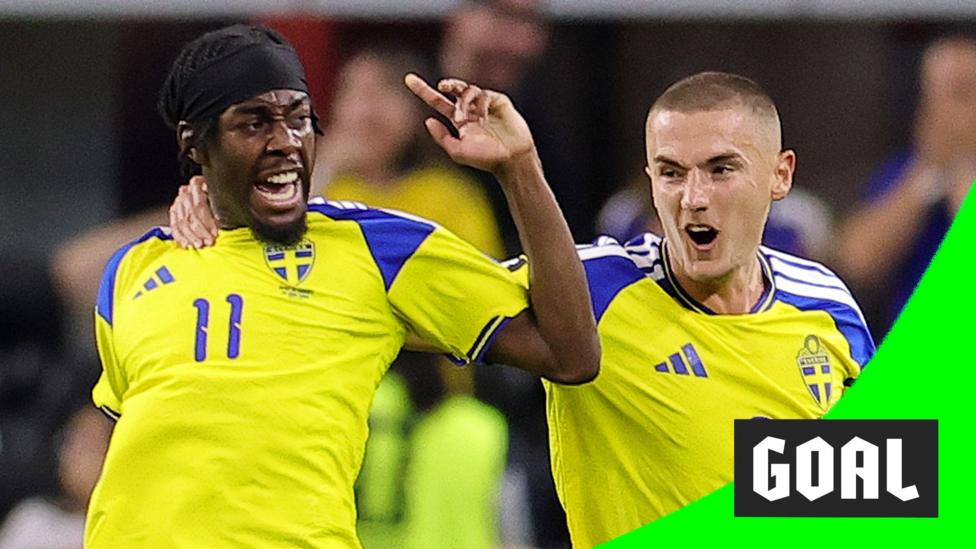
Elanga's Rocket Rescues Sweden as Group F Erupts in Dallas
Anthony Elanga's stunning curling strike pulls Sweden level with Japan in a pulsating World Cup Group F showdown.
Garcia Defiant as Belgium's Tactical Revival Silences Decay Narrative
Rudi Garcia's Belgium dismantled New Zealand 5-1, using a crucial tactical shift to silence the 'has beens' narrative ahead of a pivotal Senegal clash.

Vrancken Ushers in Data-Driven Era at Tynecastle
Wouter Vrancken's appointment at Hearts signals a radical shift toward algorithmically-informed football and structured pressing systems.