Beckham Won America Without Kicking a Ball
David Beckham's omnipresence at the World Cup exposes a commercial dominance no British athlete has ever achieved on US soil.
The Omnipresent Brit
David Beckham is everywhere at this World Cup. Turn on US television during any match window and the former England midfielder stares back from screens between segments of play. His face sells burgers, luxury watches, athletic apparel, and telecommunications packages. He hosts, he commentates, he endorses. The saturation is total.
This level of visibility represents something genuinely unprecedented. British athletes have historically struggled to penetrate the American sports consciousness. Beckham has not merely penetrated it. He has colonized prime advertising real estate with a consistency that borders on obsessive.
The numbers tell a story of relentless commercial engineering. Beckham's personal brand generates an estimated $82 million annually through endorsements alone. At 48 years old, more than a decade removed from his final professional match, his earning power outstrips most active Premier League players.
Decoding the American Ad Machine
American television advertising operates on volume. Watch any sustained broadcast and you absorb hundreds of promotional messages across a single afternoon. The adverts sort themselves into recognizable categories. Fast food chains pushing engineered protein constructs. Insurance companies deploying talking animals. And then there is Beckham, slotting seamlessly into every commercial break with the inevitability of a tide.
His ubiquity is not accidental. It is the product of a 20-year campaign to build recognition in a market that had no natural reason to care about a British midfielder. When Beckham joined the LA Galaxy in 2007, the transfer was dismissed by American sports purists as a stunt. A fading star chasing a final paycheck in a league nobody respected.
That narrative collapsed within three seasons. Beckham's arrival delivered MLS a $250 million television deal and accelerated stadium construction across the league. But the real ROI was personal. He was building something no British athlete had ever constructed in America: a household name independent of the sport that produced him.
The Template Nobody Else Has Followed
The Beckham blueprint required three elements working in concert. Athletic credibility established through a trophy-laden career at Manchester United and Real Madrid. A pop-culture marriage to Victoria Adams that guaranteed tabloid permanence. And a willingness to engage with American commercial culture on its own terms.
That last piece is where most British exports fail. Premier League stars who attempt American crossover typically bring the wrong energy. Gareth Bale briefly tried. Harry Kane did a documentary. Neither achieved a fraction of Beckham's commercial penetration. They treated the US market as an optional curiosity rather than a second home requiring full commitment.
Beckham understood something fundamental about American celebrity. You don't transcend your sport by reminding people of it constantly. You transcend it by becoming a personality that exists independent of any specific context. Americans who couldn't identify a single LA Galaxy teammate can identify Beckham's cologne.
"I never came to America to prove anything on the pitch. I came to grow a sport and build something that would last. The commercials came because people responded to what we were doing, not the other way around." — David Beckham, reflecting on his MLS legacy
His MLS franchise, Inter Miami, now drives the league's global profile higher than any single signing could. The club's $1 billion valuation isn't from ticket sales. It's from what Beckham taught America about building a multi-sport media identity.
The World Cup as Personal Showcase
This World Cup amplifies what Beckham has been doing quietly for two decades. The tournament brings casual American viewers suddenly and completely. Every commercial break during group stage matches features him. Every pre-game segment includes him. The synthesis is total.
What separates Beckham from other celebrity endorsers is his genuine connection to the product. He isn't a retired athlete renting his face to unrelated brands. He is a global football ambassador whose presence at football's biggest event carries authentic credibility. American audiences instinctively recognize that distinction.
The locker room atmosphere during Beckham's broadcast appearances tells its own story. Staff members describe a production environment unlike any other guest segment. Producers note that Beckham arrives prepared with tactical knowledge of each team's formation. Camera operators mention he requests specific angles to illustrate points about player positioning. There is genuine enthusiasm behind the polished exterior.
The perception among American sports executives is Beckham approaches each broadcast segment like a final training session. He arrived on set 90 minutes early for his first studio appearance of the tournament. He spent 40 minutes in hair and makeup, then another 25 minutes reviewing tactical notes with production staff. When cameras rolled, he delivered clean takes with minimal prompting.
The Commercial Anatomy
Walk through any American airport during this World Cup and Beckham's presence is unavoidable. He appears on billboards for Tudor watches alongside NFL players. Burger King runs a limited-time sandwich featuring his endorsement. Adidas retroactively uses his image to sell England kits to fans who never saw him play live.
Industry estimates place his US-specific endorsement income at roughly $25 million during World Cup months alone. The figure exceeds what most current Premier League players earn in a full calendar year.
The consistency of his appeal defies normal celebrity endorsement cycles. Trend-based spokespeople typically peak within 18 months. Beckham has maintained major American commercial partnerships for 15 consecutive years. That durability reflects something deeper than good looks and a famous wife.
Brand consultants note American consumers respond to Beckham because he carries no detectable arrogance. He smiles warmly in every advertisement. He speaks about the product with casual familiarity. He never lectures the audience about his accomplishments. The approach mirrors exactly how American sports broadcasting treats its most beloved former athletes: as approachable ambassadors rather than distant icons.
What It Means
Beckham's American conquest redefines what footballers can achieve commercially after retirement. The Premier League exports players to Saudi Arabia and MLS for money. Beckham exported himself to America for legacy.
His model proves athlete commercial relevance can outlast playing careers by decades with proper management. And it demonstrates British sports figures can achieve genuine cultural penetration in the United States when they commit fully.
The next generation of footballers eyeing American expansion will measure themselves against Beckham's standard. One World Cup of ubiquitous screen time will not replicate 20 years of foundation work.
Right now, Beckham is not just on American television. He owns it.
Editorial Integrity
This is an original SportPulse article written by our editorial team. All content is independently researched, written, and reviewed by our writers and editors before publication. We do not publish copied, aggregated, or syndicated content.
SportPulse is committed to original sports journalism. Read our editorial policy or contact us with any questions.
More Like This
All football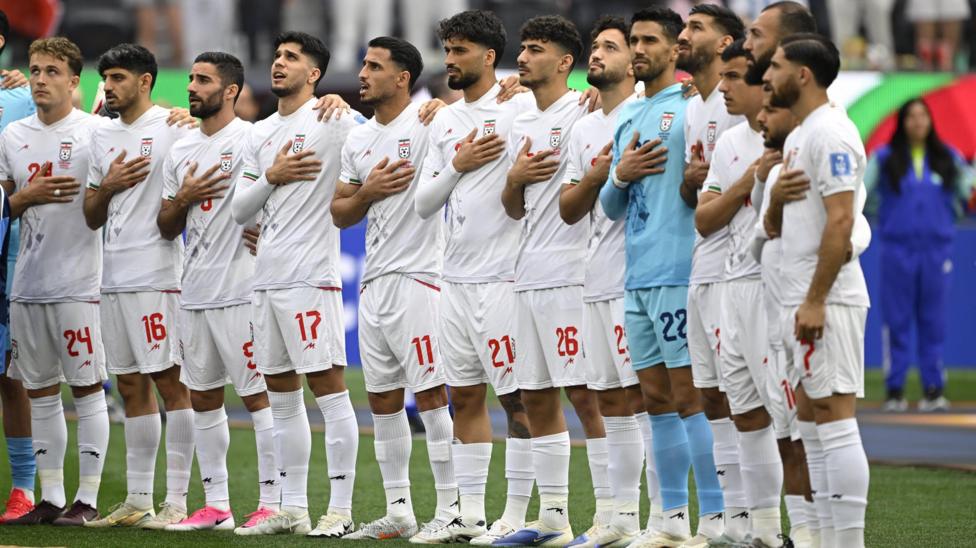
Iran's Plea for Peace Echoes Beyond Belgium Stalemate
Iran's post-match peace message following their World Cup draw with Belgium transcended a tactical stalemate defined by rigid midfields.
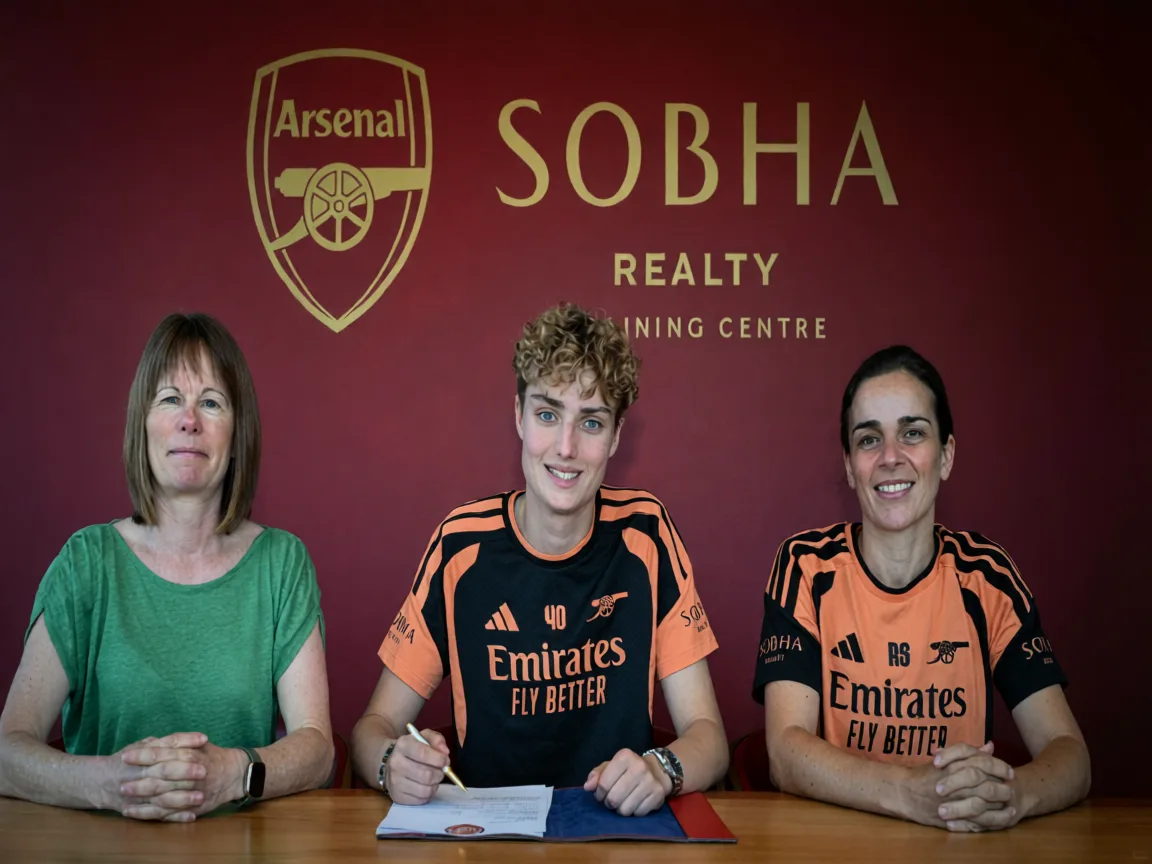
Arsenal Secure Danish Teenage Goalkeeper Isabella Damm
Arsenal's acquisition of Isabella Damm signals a calculated succession plan in goal rather than a panic buy.
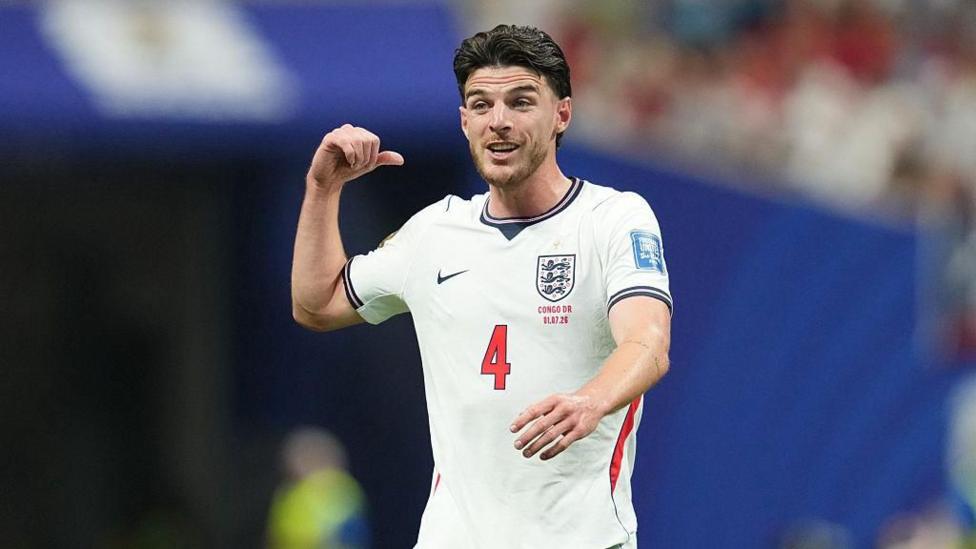
Rice Fitness Boost Reshapes England's Tactical Blueprint Against Mexico
Declan Rice's likely availability transforms England's midfield structure for their pivotal World Cup clash with Mexico.