Bellingham's Extra-Time Brace Sinks Norway in World Cup Quarter-Final
Jude Bellingham delivered a tactical masterclass and two goals in extra time to send England past Norway in Miami.
The humid Miami night air hung heavy over Hard Rock Stadium as England and Norway dragged each other into extra time, locked in a 1-1 stalemate that had demanded every ounce of tactical discipline from both camps. When the accumulation of physical exertion began to erode the structural integrity of the match, one player found the bandwidth to rise above the collapsing geometry of the pitch. Jude Bellingham, operating in a hybrid role that defied traditional categorisation, struck his second goal of the contest to secure a 2-1 victory for England, propelling the Three Lions into the 2026 World Cup semi-finals.
This was not a triumph of raw attrition or moments of individual brilliance detached from a collective framework. It was the manifestation of a coaching philosophy that had been stress-tested over 120 minutes of knockout football. Bellingham's winner in extra time was the culmination of a tactical adjustment designed to exploit the widening channels of Norway's tiring mid-block, a shift that transformed England from a side struggling to breach a compact defensive shell into a ruthless transitional unit.
Stalemate and Structure: The First 120 Minutes
The opening 90 minutes had unveiled a fascinating tactical chess match, defined primarily by Norway's disciplined approach out of possession. Ståle Solbakken, acutely aware of England's threat through the central corridors, organised his side into a rigid 4-4-2 defensive shape that effectively man-marked the half-spaces. Erling Haaland operated as the solitary outlet at the top of the pitch, ready to pin England's centre-backs and capitalise on any turnovers.
England, for their part, initially settled into a 4-2-3-1 structure that occasionally morphed into a 3-2-5 in possession, with the left-back tucking inside to offer a presence to the double pivot. The intention was clear: pin Norway's wingers deep, stretch the back four with overlapping runs from the wide attackers, and funnel the ball into Bellingham's feet in the pockets.
Yet Norway's mid-block held firm. The spacing between the lines was impeccably managed, denying Bellingham the half-turn he craves and forcing England into lateral circulation. The Three Lions dominated the ball in the first half, enjoying 62% possession, but created remarkably few high-quality chances. Then, on the brink of half-time, Bellingham struck — a vital equaliser that breathed life into England's campaign and sent the teams in level at the break. Norway's goal, cancelling out Bellingham's first-half opener, arrived from a moment of transitional brilliance, a direct ball over the top bypassing England's press and exposing the high line.
The Stalemate Persists
- England attempted 14 shots in regular time but only 3 on target
- Norway completed 98 sprints out of possession, suffocating central zones
- Bellingham was limited to 34 touches in the first half
As the second half wore on, the match began to fracture. Both teams wrestled for control of the tempo, each hesitant to overcommit bodies forward. The heat of Miami began to take a physical toll, with legs growing heavy and the structural integrity of passing lanes beginning to erode. The lottery of penalties loomed large.
Tactical Shift: Unlocking the Mid-Block
The turning point of the match arrived in the brief interval between full-time and the start of extra time. England's coaching staff recognised that continuing to probe through central congestion would yield diminishing returns. The tactical adjustment was subtle but significant: Bellingham was granted license to drift Laterally, positioning himself closer to the left touchline rather than solely occupying the left half-space.
This movement had a cascading effect on Norway's marking structure. By vacating the central congestion, Bellingham pulled Norway's right-sided central midfielder away from his natural anchoring position. This created a transient 3v2 overload on England's left flank, enabling the overlapping full-back to receive in advanced areas with time and space.
Furthermore, England increased the verticality of their passing. Instead of patient, lateral circulation, the centre-backs began targeting directly into the channels behind Norway's advancing full-backs. This forced Norway to rotate their defensive posture, creating hesitation and miscommunication in their back line.
The equaliser had been a product of sustained pressure, but the winner in extra time was a direct consequence of these structural adjustments. Bellingham, finding himself in space on the left, received a switch of play and drove infield. The timing of his run coincided with a decoy movement from the striker, creating a momentary 1v1 isolation against the Norwegian centre-back. The finish was emphatic, a clinical first-time strike that left the goalkeeper rooted to the spot.
"We knew they would tire, that the spaces would appear. Jude is a player who can sense those moments before they even materialise. His intelligence in finding the right area at the right time was the difference." — England manager
Bellingham: The Architect of Control
To categorise Bellingham's performance merely by his goals would be to fundamentally misread his influence. His second goal was the punctuation mark on a performance characterised by tactical intelligence and physical endurance. Operating in a role that demanded both defensive responsibility and creative burden, Bellingham effectively served as England's primary mechanism for progressing the ball through the thirds.
His positioning throughout extra time was a masterclass in game awareness. Recognising that Norway's legs had gone, he dropped deeper to receive, essentially functioning as a third central midfielder at moments when England needed to retain possession and manage the tempo. Then, sensing the vulnerability in the Norwegian back line, he would surge forward to occupy the attacking positions.
Bellingham's Extra-Time Impact
- 2 goals from 4 shots in extra time
- Completed 12 of 14 passes under pressure
- Won 3 defensive duels in the attacking third
This duality is what makes Bellingham such a devastating asset in tournament football. He is not merely a number 10 who thrives in the final third, nor is he a box-to-box midfielder whose value lies primarily in coverage. He is a player who understands the geometry of the pitch and manipulates it to his advantage.
Norway's Brave Resistance
Solbakken's side departed Miami with their reputation enhanced. Despite the defeat, they had executed a game plan that pushed England to the absolute brink. The 4-4-2 defensive structure had frustrated England for long periods, and the transitional threat posed by Haaland kept the English defence honest throughout.
The issue for Norway was not tactical but physical. The energy required to maintain a disciplined mid-block for 120 minutes in Miami heat proved ultimately unsustainable. As legs tired, spacing widened, and the precision of their pressing dimmed. England's bench provided fresh legs to exploit these gaps.
The Road Ahead
For England, the victory sets up a semi-final encounter that will test their tactical adaptability against a different kind of opponent. The challenge of breaking down a mid-block has been a recurring theme of their tournament, and while they found a way past Norway, questions remain about their ability to generate quality chances in the face of deep, compact defences.
Bellingham's performance, however, offers a compelling argument for optimism. In a tournament defined by fine margins, having a player capable of both the artistic and the artisan, the creative and the clinical, is an asset that cannot be overstated.
The semi-final will demand a different kind of interrogation. England will likely face a side more willing to engage them in open play, and the tactical adjustments required will differ significantly from those deployed against Norway. But the capacity to adapt, to find solutions in real time, has been the hallmark of this England side. And in Bellingham, they possess a talisman who embodies that flexibility above all else.
Updated: 2026-07-12 — Added Bellingham's first-half equaliser on the brink of half-time to the match narrative.
Editorial Integrity
This is an original SportPulse article written by our editorial team. All content is independently researched, written, and reviewed by our writers and editors before publication. We do not publish copied, aggregated, or syndicated content.
SportPulse is committed to original sports journalism. Read our editorial policy or contact us with any questions.
More Like This
All football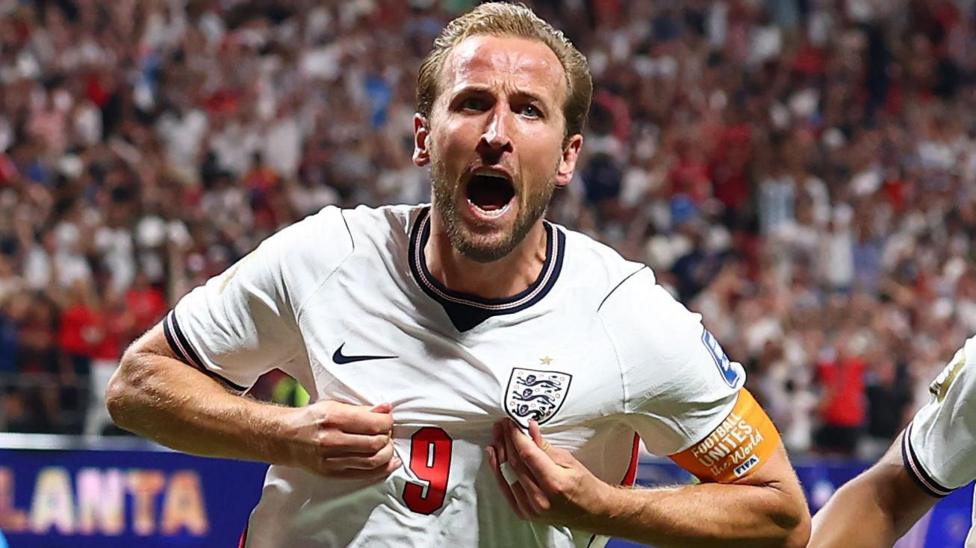
BBC Bets Big on England vs Mexico With Late-Night World Cup Push
The BBC's 'Stay Up or Catch Up' strategy for England-Mexico at the 2026 World Cup reveals a broadcaster reinventing how we consume midnight football.
Arsenal Land Dembele in £55m Coup That Reshapes Title Race
Arsenal sign Ousmane Dembele from PSG for £55m, adding elite wide threat to a squad already knocking on the door.

Colombia Denied Late Winner as Thrilling Draw Sends Both Sides Through
A gripping 0-0 between Colombia and Portugal delivers drama, controversy, and mutual passage to the last 32.