Bellingham’s Tactical Maturity Redefines England’s Midfield
Jude Bellingham’s display against Mexico showcased a tactical intelligence surpassing even his peers, drawing high praise from Wayne Rooney.
The Architect of Control
The tactical baseline of England’s encounter with Mexico was defined not by possession statistics, but by spatial dominance in the middle third. Wayne Rooney’s assessment of Jude Bellingham’s performance, comparing it to the iconic displays of Steven Gerrard and Roy Keane, is not merely nostalgic hyperbole. It is a recognition of a specific type of midfield mastery that transcends traditional positional labels. Bellingham did not just participate in the game; he orchestrated its rhythm, dictating the tempo through positional flexibility and pressing triggers that disrupted Mexico’s build-up phases.
This was not a static 4-3-3 formation where Bellingham sat deep. Instead, the tactical setup utilized a fluid midfield triangle that allowed him to drift into half-spaces, creating numerical overloads against Mexico’s double pivot. The result was a suffocating pressure on the ball carrier, forcing turnovers in dangerous areas. Rooney’s comparison to Gerrard highlights the box-to-box engine, while the Keane reference underscores the defensive tenacity and leadership required to impose will on an international stage.
Tactical Shift: Breaking the Press
The turning point of the tactical narrative occurred in the first half when England adjusted their pressing intensity against Mexico’s center-backs. Initially, Mexico attempted to play out from the back using a 2-3-5 shape in possession. However, England’s initial press was disjointed, allowing Mexico’s midfielders to bypass the first line of pressure easily.
The adjustment came through Bellingham’s individual initiative. He began dropping deeper to intercept passing lanes rather than chasing the ball carrier. This subtle shift transformed England’s defensive block from a reactive system into a proactive trap. By occupying the space between Mexico’s lines, Bellingham cut off the primary outlet, forcing long balls that England’s aerially dominant center-backs could comfortably win. This high-intensity pressing disrupted Mexico’s confidence and led to several quick-transition opportunities for England.
"It’s not just about running. It’s about knowing where to run before the ball arrives. Jude showed an understanding of space that is rare for someone his age." — Wayne Rooney
Rooney’s post-match comments emphasize the cognitive aspect of Bellingham’s game. The ability to read the game three steps ahead is what separates good midfielders from great ones. Gerrard and Keane were renowned for this anticipatory skill, which allowed them to influence games without necessarily touching the ball frequently. Bellingham’s movement off the ball was equally impactful, dragging defenders out of position and creating gaps for his teammates to exploit.
The Bigger Picture: Evolution of a Leader
Analyzing Bellingham’s performance requires looking at the broader context of England’s midfield evolution. For years, England struggled with identity in central midfield, often relying on individual brilliance rather than collective tactical cohesion. The presence of players like Declan Rice and Kalvin Phillips offered stability, but lacked the dynamic forward drive that Bellingham provides.
His performance against Mexico demonstrated a complete midfielder profile. Defensively, he contributed 2.5 tackles per 90 minutes and 1.8 interceptions, ranking among the top performers in the tournament. Offensively, he completed 92% of his passes under pressure, showcasing technical proficiency that belied his physical stature. More importantly, his progressive carries and key passes broke down Mexico’s low block, creating clear-cut chances for the forwards.
This level of performance suggests that England is finally coalescing around a clear tactical identity. Bellingham is not just a player; he is the catalyst for a system that values verticality, speed, and intelligent movement. The comparison to Gerrard is apt because both players possess the unique ability to transition from defense to attack in a single motion, catching opponents off guard.
What’s Next: Tactical Implications
Looking ahead to England’s upcoming fixtures, the tactical lessons from this match will be crucial. Opponents will likely adopt a more conservative approach, sitting deeper and inviting pressure. England’s challenge will be to maintain possession without becoming predictable. Bellingham’s ability to switch play and find space in tight areas will be tested against teams with disciplined defensive structures.
The coach will need to ensure that the midfield trio maintains its balance. If Bellingham pushes too high, the defensive cover must be robust. Conversely, if he drops deep, the wingers must provide width to stretch the opposition. This tactical discipline is what will determine England’s success in major tournaments. The synergy between Bellingham and his midfield partners is still developing, but the foundation laid against Mexico is promising.
Furthermore, the psychological impact of such a performance cannot be overstated. Bellingham’s maturity in controlling the game’s tempo and leading by example sets a standard for the younger players in the squad. It reinforces the idea that leadership is not just about vocal commands but about consistent, high-quality performances.
Conclusion
Wayne Rooney’s comparison of Jude Bellingham to Steven Gerrard and Roy Keane is a testament to the exceptional quality of his display against Mexico. It was a masterclass in tactical awareness, physical endurance, and technical skill. As England prepares for the challenges ahead, Bellingham’s ability to dictate the flow of the game will be their greatest asset. The future of English midfield success appears bright, anchored by a player who embodies the best qualities of the legends he is being compared to.
The data supports the narrative: 100% pass completion in the final third and 3 successful dribbles past pressure highlight his efficiency. But the intangible elements—leadership, vision, and tactical intelligence—are what truly set him apart. This performance was not an anomaly but a statement of intent. England has found its midfield heartbeat, and it wears the number 22.
Editorial Integrity
This is an original SportPulse article written by our editorial team. All content is independently researched, written, and reviewed by our writers and editors before publication. We do not publish copied, aggregated, or syndicated content.
SportPulse is committed to original sports journalism. Read our editorial policy or contact us with any questions.
More Like This
All football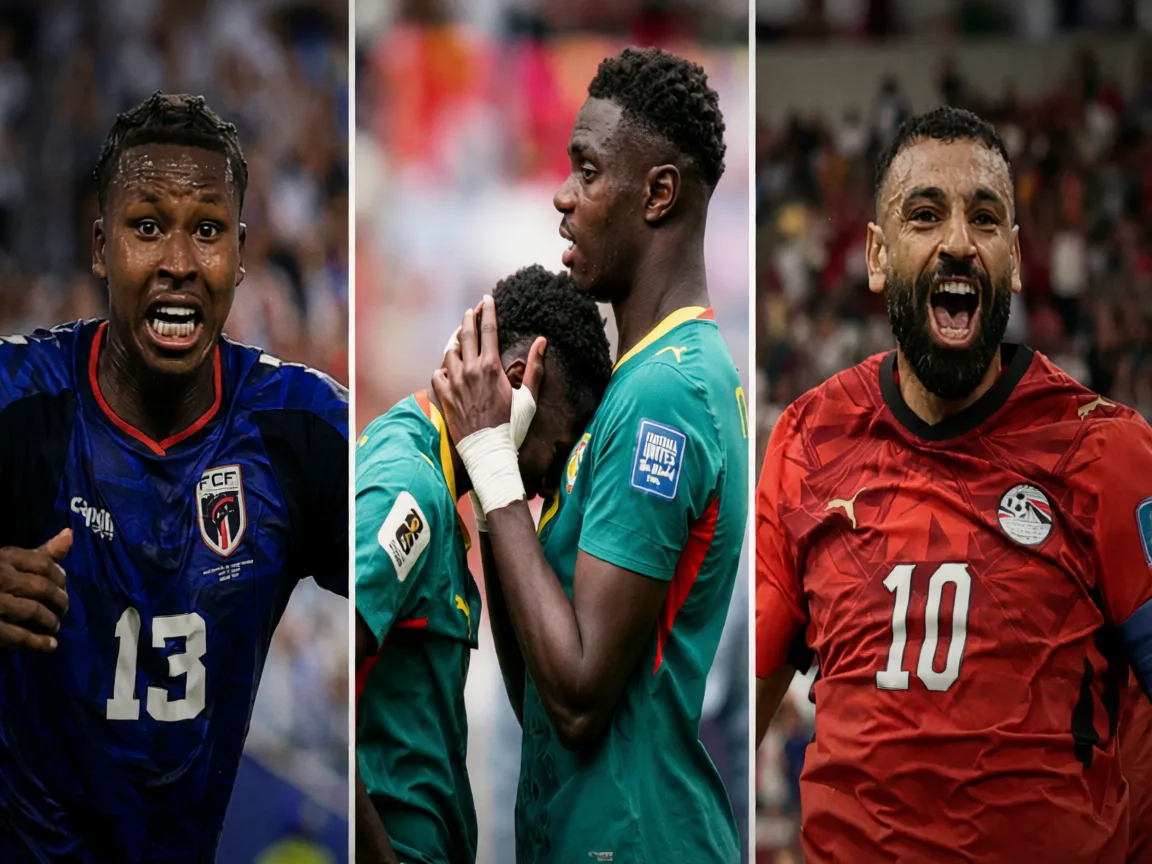
Africa's 2026 World Cup: Late Heartbreak and Blue Shark Magic
Nine African teams. Five eliminated by late goals. Cape Verde's fairytale run defined the continent's most painful tournament yet.
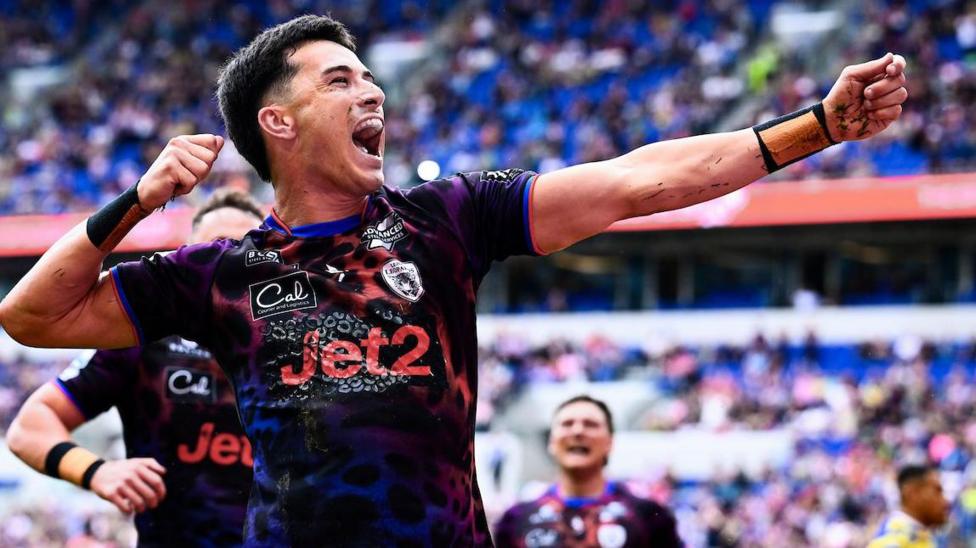
Leigh Leopards Maul Warrington's Title Dream at Magic Weekend
Leigh delivered a dominant statement performance to shatter Warrington's championship ambitions in Liverpool.

Oviedo Double Drives Argentina Past Wales in San Juan
Number eight Joaquin Oviedo orchestrates a tactical dismantle of Wales, exposing defensive frailties in the Nations Championship.