Scotland's Orange Cone Lands in Boston on a Mental Health Mission
An orange traffic cone flew first-class from Glasgow to Boston, greeted by a bagpiper, governor, and mayor for mental health awareness.
Fresh off a first-class flight from Glasgow, it received a reception befitting a visiting dignitary. A bagpiper in full regalia played inside Boston Logan International Airport. Waiting to greet it were diplomats, the governor, and Boston's mayor.
The guest of honor was not a head of state. It was an orange traffic cone.
The cone, already known affectionately as the "Boston cone", touched down on American soil to fanfare that would normally be reserved for royalty. Its journey from the streets of Scotland to the terminals of Massachusetts is a story about football culture, community, and the deeply personal cause of mental health awareness.
A Symbol Born on the Streets
The orange traffic cone is a staple of Scottish football fan culture, particularly associated with the Tartan Army, Scotland's fiercely loyal supporter base. For years, fans have placed cones on statues and landmarks across the country, a playful act of defiance and celebration that has become as recognizable as the team itself.
But this cone carries a heavier purpose. It is the centerpiece of a planned fundraising trip to raise money for mental health initiatives, a cause that resonates deeply within football communities on both sides of the Atlantic. The cone's arrival in Boston is not a random gesture; it is a calculated act of outreach, building a bridge between Scottish football's irreverent spirit and a global conversation about mental wellbeing.
The decision to fly the cone first-class was a deliberate statement. It elevated a mundane object to VIP status, forcing everyone who heard the story to pay attention. And the attention was warranted: the reception at Logan Airport included some of the most senior political figures in Massachusetts, all gathered to welcome a piece of Scottish street culture.
The Welcome Party
Inside the arrivals hall at Boston Logan, a bagpiper filled the space with the kind of sound that makes the hairs on the back of your neck stand up. The skirl of the pipes is a sound deeply embedded in Scottish identity, and its presence in an American airport was a jarring, beautiful collision of two cultures.
Governor Maura Healey and Boston Mayor Michelle Wu were on hand to greet the cone, a level of political engagement that shows the mental health message landed before the plane did. The involvement of senior officials underscores the growing recognition among public leaders that football's reach extends far beyond the pitch. When a sporting symbol can bring out a governor and a mayor on a weekday, the messenger and the message have clearly struck a chord.
Diplomats rounded out the reception, reinforcing the international dimension of the cone's journey. The image of dignitaries posing with an orange traffic cone is absurd on its face, and that is precisely the point. The absurdity opens a door to a serious conversation. People stop scrolling when they see a cone in a first-class seat. They keep reading when they learn why it is there.
Mental Health Takes Center Field
The cone's planned trip through Boston is designed to raise money for mental health charities, though the specific organizations involved extend the impact of what could easily have been a throwaway viral stunt. Mental health has become one of the most critical issues in modern football, with high-profile players and managers increasingly speaking out about their own struggles.
In Scotland, the conversation around mental health has been particularly raw and urgent. Communities tied to football clubs have experienced the devastating consequences of untreated mental illness. Supporters' groups have lost friends and family members. The cone, in its own peculiar way, serves as a memorial to those silent battles fought far from the floodlights of stadiums.
By bringing the cone to Boston, the Tartan Army and its allies are drawing a line between two cities that share a deep Celtic heritage. Boston is home to one of the largest Scottish and Irish diaspora populations in the United States. The city's sports culture, anchored by franchises like the Celtics and the Red Sox, understands the communal power of sport. The cone's visit taps into that shared understanding, creating a transatlantic alliance of fans united by cause rather than club allegiance.
The Tactical Genius of a Stunt
Strip away the sentimentality, and what remains is a masterclass in community-driven marketing. The Tartan Army did not commission a glossy ad campaign. They did not launch a hashtag and hope for the best. They took an object already embedded in their cultural identity, put it on a plane, and let the surprise do the heavy lifting.
The first-class ticket was the hook. It creates a visual that demands attention: an empty seat worth hundreds of pounds occupied by a cone. That image travels faster and farther than any press release ever could. Once the media picks up the absurdity, the mental health message has a vehicle that reaches millions.
The involvement of political figures was not luck. It was the product of months of quiet groundwork by organizers in both Scotland and the United States. They understood that to make the cone matter in Boston, they needed Boston's leaders to treat it as if it mattered. The presence of a governor and a mayor validated the effort and lent institutional gravity to what was, at its core, a bunch of football fans flying a cone across the ocean.
Inside the Reception: A locker Room Atmosphere at the Airport
In the moments after the bagpipes faded, the arrivals hall at Logan Airport took on an atmosphere that felt closer to a post-match locker room than a diplomatic reception. Organizers embraced like they had just won a cup final. The Massachusetts officials wore expressions of genuine warmth, aware that the story in front of them was stranger than fiction but deeply human.
One organizer, holding the cone aloft like a trophy, drew cheers from the small crowd of supporters and media who had gathered despite the early hour. The cone itself was wrapped carefully, as if it were breakable glass rather than molded plastic, a detail that said everything about how seriously this group takes its mission. There was laughter, and there were tears, the emotional whiplash of people who know exactly what this piece of street furniture represents.
In the corner, a staff member from the Scottish consulate handed out small Scottish flags. The bagpiper broke into another tune, this one slower, more reflective. For a moment, the usual chaos of an international airport paused.
What It Means
The Boston cone's journey represents a new frontier in how football supporters use their culture for social good. It proves that the most effective fundraising campaigns are not always the most polished ones. Sometimes, authenticity and a touch of madness are all you need.
For the mental health charities that will benefit from the cone's American tour, the money raised will be secondary to the visibility gained. Every news story, every social media post, and every political photo op chips away at the stigma surrounding mental illness. That is the real victory here.
As for the Tartan Army, the stunt reinforces their reputation as one of the most beloved supporter groups in world football. They travel. They sing. They wear cones. And now, in a quiet but powerful way, they are saving lives. The Boston cone may be a joke to some, but to the people who organized its flight, greeted it at the airport, and will carry it through the streets of an American city, it means love. And in a sport increasingly dominated by billion-dollar TV deals and corporate boxes, that democratic, ridiculous, deeply hopeful form of love is something worth protecting.
Editorial Integrity
This is an original SportPulse article written by our editorial team. All content is independently researched, written, and reviewed by our writers and editors before publication. We do not publish copied, aggregated, or syndicated content.
SportPulse is committed to original sports journalism. Read our editorial policy or contact us with any questions.
More Like This
All football
Gusto Weighs Chelsea Exit as Club Slams £75m Valuation on Full-Back
Malo Gusto explores a Stamford Bridge summer exit, but Chelsea's £75m demand reveals deep tactical misalignment rather than pure profit motive.

Cape Verde's Unlikely Hero Eyes Messi: 'If You Think About It, You Lose Your Mind'
From bin bags as curtains in Germany's fifth tier to facing the GOAT at a World Cup — Sidny Lopes Cabral's story is pure football magic.
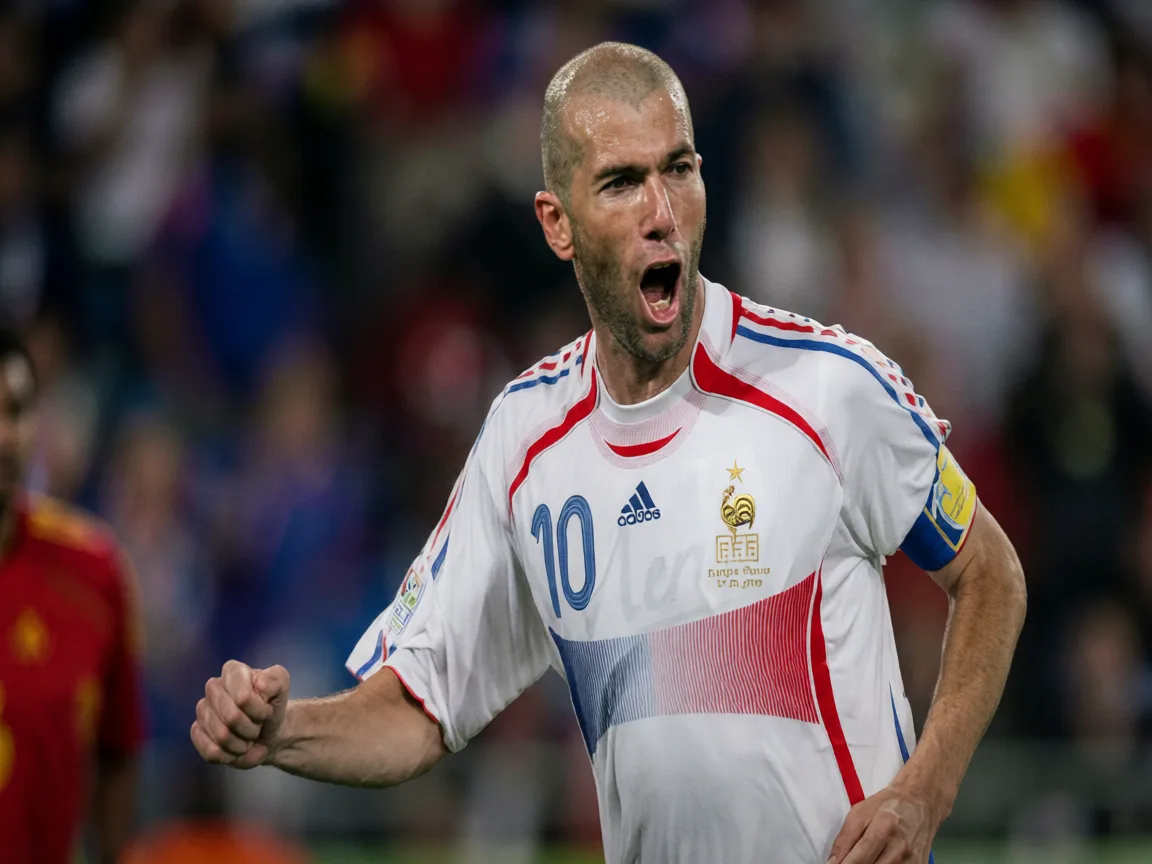
Written Off As Too Old: How France Broke Spain's Hearts in 2006
France's aging veterans engineered a masterclass against Spain's brilliant youngsters in a World Cup clash that defined two eras.