Brazil's World Cup Exit Exposes a Nation Trapped Between Brand and Reality
Brazil's earliest World Cup exit since 1990 asks whether the iconic yellow jersey is now a marketing vehicle rather than a winning team.
The Exit Nobody Could Stop Watching
Brazil were 1-0 down and the yellow jerseys started moving. First a trickle, then a steady stream of fans heading for the concourse, writing off the small fortunes they had invested in being there.
They already knew the ending. A last-16 elimination, the earliest Brazilian exit since 1990. A sixth World Cup title drifts further out of reach with every passing cycle.
Norway stood on the other side of the draw, disciplined and clinical, exploiting every Brazilian hesitation with surgical precision. The final scoreline might have been narrow, but the post-match reflection revealed something far wider about the state of the world's most celebrated football nation.
This was not a team that lost to misfortune or a cruel bounce. It was a program that has lost its way for six consecutive World Cups now, the longest title drought in Brazilian history.
A Decidedly Unremarkable Team
Everything about Brazil's 2026 World Cup campaign felt tentative. From the opening group stage fixtures through to the knockout round, there was no swagger, no inevitability, no sense that the players believed they were destined for glory.
The squad lacked the transformative individual that Brazilian football has historically relied upon to unlock stubborn defenses. There was no Ronaldo in his prime, no Romário at his clinical best, no Neymar operating at his creative peak circa 2014.
Vinícius Júnior arrived carrying the weight of a nation's expectations but never found the tournament rhythm that would have made him the difference-maker Brazil desperately needed. The collective that surrounded him looked more like a compilation of decent club players than a team forged in the image of Brazilian football's golden traditions.
The midfield lacked creativity and control. The defense, while not catastrophic, showed vulnerabilities at crucial moments. And the tactical setup appeared to lack a coherent identity throughout the tournament.
The Brand Question Becomes Impossible to Ignore
Brazil's Canarinha jersey is the most recognized garment in world football. It carries cultural, historical, and commercial weight that transcends borders and generations.
But there is a growing and uncomfortable question that Brazilian football must confront: is the Seleção still a football team, or has it become primarily a commercial brand that happens to play football?
The Brazilian Football Confederation (CBF) has milked the yellow jersey for every sponsorship dollar available. Global brands queue up to associate themselves with the mystique of Brazilian futebol, the romance of jogo bonito, and the mythology of five World Cup titles.
Yet that mythology grows thinner with every tournament that passes without renewal. You cannot market nostalgia indefinitely. At some point, the product on the pitch has to match the promise of the brand off it.
The Numbers Tell a sobering Story
The statistical decline of Brazil at World Cups over the last two decades is stark and revealing.
- 2006: Eliminated in quarterfinals by France
- 2010: Eliminated in quarterfinals by Netherlands
- 2014: Humiliated 7-1 by Germany in semifinals on home soil
- 2018: Eliminated in quarterfinals by Belgium
- 2022: Eliminated in quarterfinals by Croatia on penalties
- 2026: Eliminated in round of 16 by Norway
This progression tells a story of a football nation moving in the wrong direction. From semifinalists to consistent quarterfinalists to now failing to reach the last eight altogether.
Zero World Cup titles since 2002. Four consecutive quarterfinal exits before this tournament. Now, a round-of-16 elimination that represents rock bottom by Brazilian standards.
Inside the Locker Room After Defeat
The visiting dressing room told the story better than any tactical analysis could. Player after player sat staring at the floor, boots still on, jerseys stained with the sweat of a defeat that would define their international careers.
Staff members moved quietly between stations, collecting boots and gathering training tops. Nobody spoke above a whisper for the first 20 minutes. The silence was heavier than any post-match speech could ever be.
A veteran member of the coaching staff leaned against a wall near the equipment bags, arms crossed, staring at nothing in particular. The look on his face was not frustration or anger but something worse: recognition. The look of someone who knew this was coming and understood it would take more than a coaching change to fix.
Once the media entered, the quotes surfaced in fragments. The disappointment was evident, but so was the uncertainty about what comes next.
"We have to look at everything. Not just the coach, not just the players. Everything about how we are developing footballers and how we are preparing for tournaments." — Senior Brazil player, speaking anonymously after the match
What Has Changed in Global Football
While Brazil has stagnated, the rest of the world has evolved dramatically. European nations have systematized youth development, tactical education, and tournament preparation to a degree that Brazil has not matched.
Norway exemplifies this shift perfectly. A nation with a fraction of Brazil's footballing population and resources, yet one that arrived at this World Cup with a clear tactical identity and the discipline to execute it.
The talent gap between Brazilian individuals and their European counterparts has narrowed significantly. What once separated Brazil was never just individual talent but a distinct way of playing that overwhelmed opponents. That distinctiveness has faded.
Modern Brazilian players are products of European club academies as much as they are of the Brazilian domestic system. They arrive at international duty already molded into tactical patterns that bear little resemblance to the historical Brazilian style.
The Structural Root Causes
The problems run far deeper than any single coach or player. The CBF must answer for structural failures that span generations and multiple coaching regimes.
Brazil's domestic calendar remains chaotic, prioritizing short-term commercial revenue over long-term sporting development. Youth development pathways lack the coherence and investment that European systems have perfected.
The Brazilian league continues to export its best talent young, losing the developmental window where players might learn what it means to represent the Seleção before departing for European club football.
Inside the dressing room, one message was clear about the nature of the problem.
"The identity of Brazilian football needs to come back. We have drifted too far from what made us the best in the world." — Brazil coaching staff member
The Financial Equation
The commercial machine of Brazilian football continues to generate staggering revenue despite the on-pitch decline. Sponsorship deals, merchandise sales, and broadcast rights maintain their value because the brand equity remains.
But that equity is finite. Every tournament without success erodes the mystique that brands pay for. Sponsors associate themselves with the aura of winning. Once you stop winning consistently, the aura fades.
Brazilian fans traveling home from this World Cup did not just lose the small fortunes they invested in travel and tickets. They lost another piece of belief that will be harder to restore than any marketing campaign can manage.
What It Means
Brazil's earliest World Cup exit since 1990 should trigger a reckoning that extends far beyond the next coaching hire or the next squad announcement. This is not a cycle; it is a trend.
The 2026 World Cup was supposed to be the tournament where Brazil reestablished itself. Instead, it became the moment the gap between brand and reality became impossible to ignore.
The next four years will determine whether Brazilian football chooses the hard path of structural reform or the comfortable path of commercial maintenance. Only one of those roads leads back to a sixth World Cup title.
Norway proved that tactical coherence and disciplined execution can overcome individual quality and historical pedigree. Brazil proved that mythology without method is not enough at the modern World Cup.
The yellow jersey will always carry weight. But weight without substance is just pressure, and pressure without a plan produces exactly what we witnessed: a decidedly unremarkable team walking toward the exits far earlier than anyone in Brazil believed possible.
Editorial Integrity
This is an original SportPulse article written by our editorial team. All content is independently researched, written, and reviewed by our writers and editors before publication. We do not publish copied, aggregated, or syndicated content.
SportPulse is committed to original sports journalism. Read our editorial policy or contact us with any questions.
More Like This
All football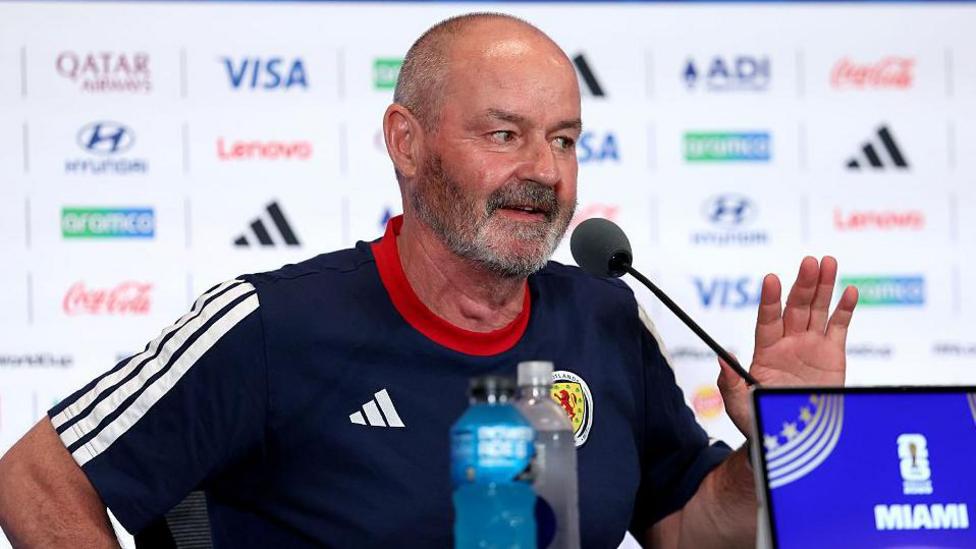
Scotland Map Out Miami Weather Survival Plan for Brazil World Cup Showdown
Steve Clarke reveals Scotland have prepared contingency plans for inevitable South Florida weather disruptions in their World Cup qualifier against Brazil.
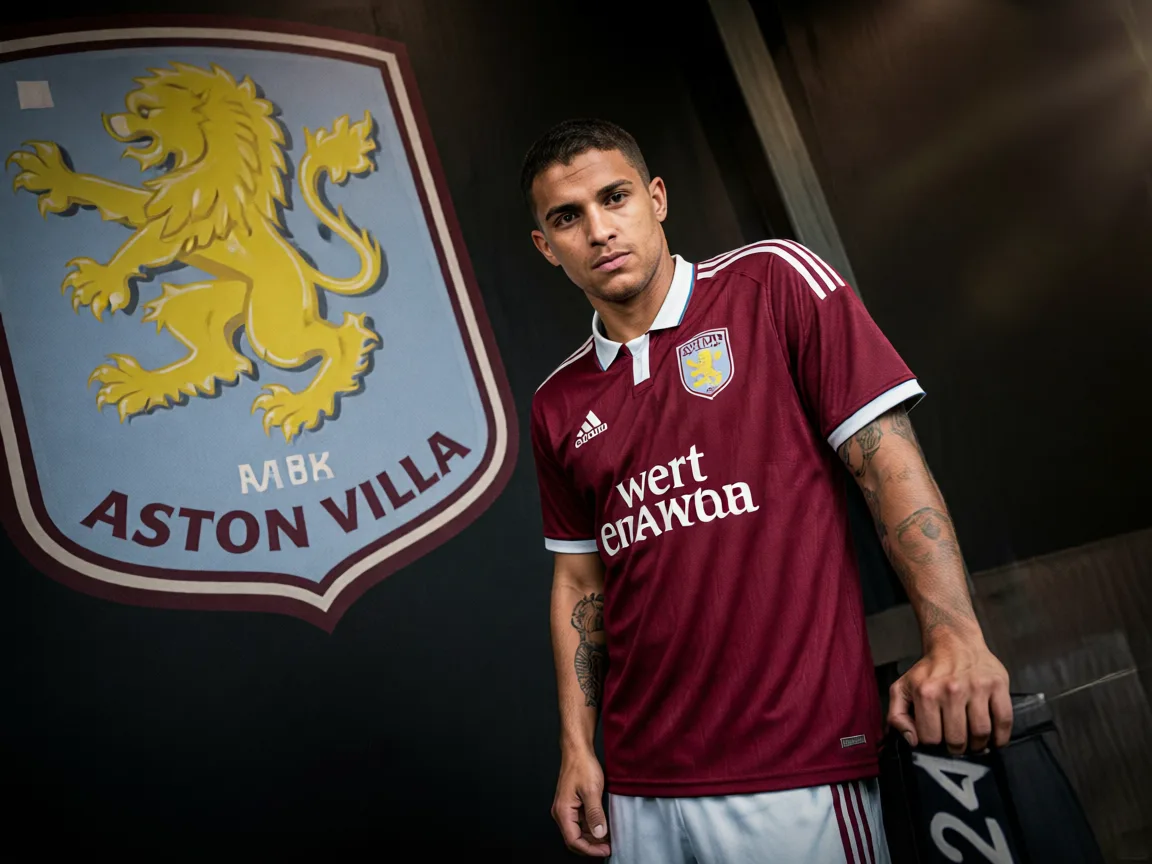
Gomes to Villa, Hall and Robinson on United Radar: Summer Chess Begins
Villa replace Tielemans with Gomes while United eye defensive reinforcement amid wholesale midfield reconstruction.
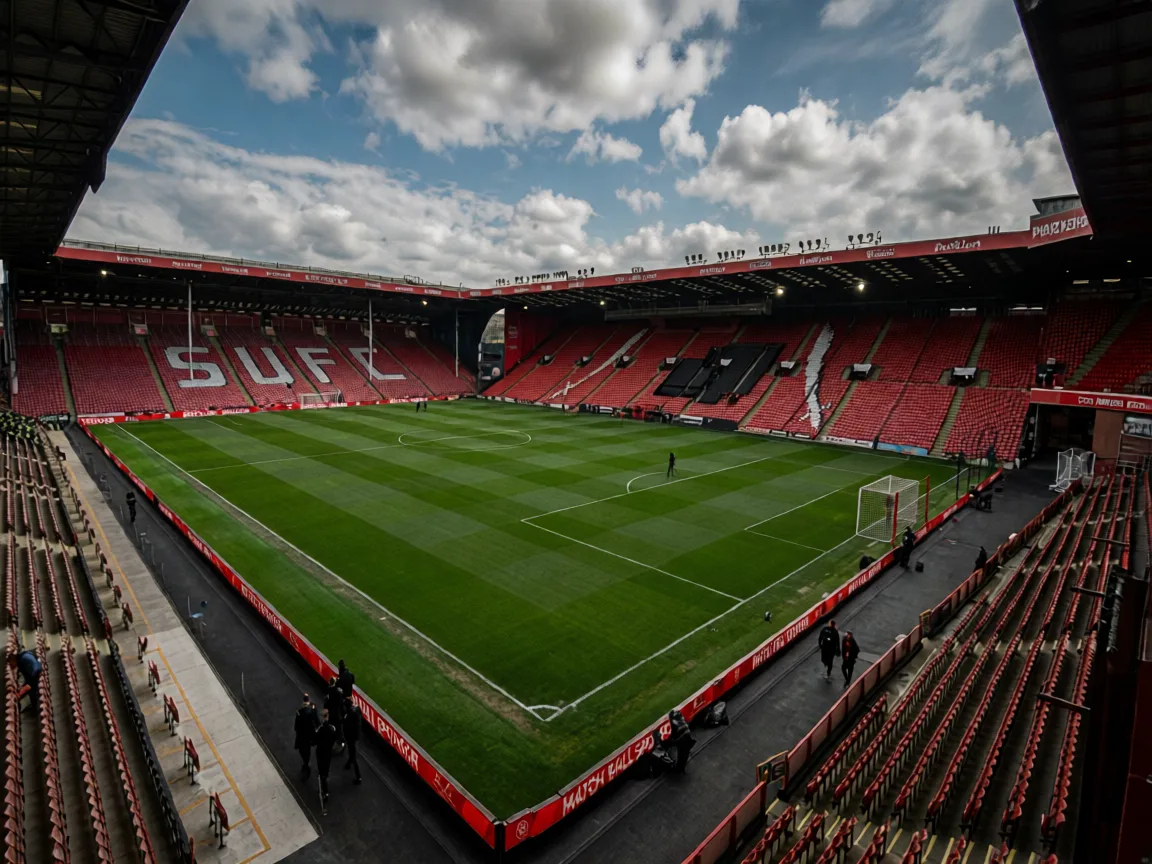
Sheffield United Rocked By £35m Winding-Up Petition
Former Blades owners file a winding-up petition demanding £35m, plunging the club into an existential legal crisis.