British Eventing Rocked by Double Fatality on Single Saturday
Two riders lost their lives in separate eventing competitions on the same day, leaving the equestrian community searching for answers.
A Dark Day for the Sport
British Eventing has confirmed that two riders died following separate incidents at competitions on Saturday. The twin tragedies unfolded at different events, compounding the grief and shock across the equestrian community.
The announcement from British Eventing, the governing body for the sport in the United Kingdom, was stark and brief. It confirmed that both fatalities occurred during competition, sending immediate reverberations through a sport that has long grappled with its inherent dangers.
That both incidents happened on the same day magnified the devastation. Riders, organizers, and fans were left absorbing a loss that has reignited difficult conversations about safety protocols and the fundamental risk assessment that underpins every cross-country round.
The Nature of Eventing's Risk
Eventing is widely regarded as one of the most demanding disciplines in equestrian sport. It combines the elegance of dressage, the precision of show jumping, and the raw courage of cross-country, a phase that asks horse and rider to navigate solid fences at speed across varied terrain. The cross-country phase is where the risk concentrates. Unlike show jumping rails, which fall when struck, cross-country fences are fixed and unyielding. A miscalculation at speed can result in a rotational fall, where the horse somersaults over the fence and the rider is thrown into the ground or into the obstacle itself.
Modern course design has evolved significantly to mitigate the worst outcomes. Frangible pins, which allow specific fence elements to collapse under a predetermined amount of force, have been mandated at higher levels for years. MIM clips and other energy-dissipating devices have become standard. But the physics of a 500-kilogram horse travelling at speed meeting a solid object cannot be entirely engineered out of the sport.
When a competitor dies, the fracturable technology, the body protectors, and the mandatory medical teams suddenly feel insufficient. The sport is left facing the same agonizing question it has faced for decades. How much risk is acceptable in the pursuit of a ribbon?
The Community Responds
In the hours after the confirmation from British Eventing, the response from the community was immediate and visceral. Professional riders, amateurs, owners, and volunteers took to social media to express disbelief and sorrow. The close-knit nature of equestrian sport means that tragedies rarely feel distant. Someone always knew the rider, had competed against them, or had walked the same course that morning.
"It is with deep regret that British Eventing confirms that two riders have died following separate incidents at competitions on Saturday. Our thoughts are with the families and friends of those involved."
The governing body's promised reviews and investigations, alongside offers of support to those affected, are standard in these moments. British Eventing will face familiar pressure to examine whether existing safety measures were adequate and whether anything could have been done differently. Course walk protocols, fence construction, speed limits, and combined entry qualifications will all come under the microscope in the coming weeks.
A Sport That Never Stops Reckoning With Itself
Eventing has a complicated relationship with danger. The sport's most prominent advocate in Britain isn't a rider at all. It's the Princess Royal, who competed at the 1976 Montreal Olympics and has been involved in equestrian circles for over half a century. Her daughter, Zara Tindall, won the European Championship in 2005 and claimed a world silver medal in 2006, keeping the sport's profile elevated and drawing attention to its demands.
The sport has lost riders before, and each tragedy has prompted reform. British Eventing has invested in research into fence design, rider fitness, and horse qualification pathways. Penalties for dangerous riding have stiffened, and the principle that a rider must maintain control and balance to prevent a horse from crashing into a fence is drilled into competitors from the grassroots up.
Yet the fatalities have continued. The sport's in-built contradiction is that it rewards bravery and instinctive partnership with a horse, but those same qualities can blur the line between a bold competitive round and a catastrophic error. When a rider is killed, the community mourns one of their own and also braces for the scrutiny that inevitably follows. Non-equestrians often ask why anyone would participate in a sport with such severe consequences.
The Road Ahead
British Eventing will now conduct its parallel investigations into the two incidents. The findings will be scrutinized by safety committees and potentially feed into rule changes for the following season. Every fatality in the sport tends to produce recommendations.
Some changes are incremental and technical. Others are cultural, addressing the mindset that can lead riders to push for a placing when pulling up and trying again another day would be the wiser choice. Course designers and officials face the burden of creating tests that are bold enough to be championship-qualifying but not so punishing that they become unrideable.
For the families of the two riders who died on Saturday, the investigations will offer answers but no comfort. For the wider eventing community, the days ahead will be about honoring those lost, supporting those who witnessed the incidents, and deciding what kind of sport they are willing to compete in. The season will continue, as it always does, but it will carry a heavier weight.
What It Means
The loss of two riders in a single day marks one of the darkest weekends in British Eventing's modern history. It places renewed pressure on the governing body to demonstrate that its safety frameworks are not just reactive but genuinely preventive.
The sport will face external questions about whether eventing can ever be made safe enough to justify its place in the modern sporting landscape. For now, the community grieves. The cross-country courses stand empty, and the fences that were jumped on Saturday remain as quiet monuments to a day that changed everything for two families and left a sport searching for a way to reconcile its passion with its peril.
Editorial Integrity
This is an original SportPulse article written by our editorial team. All content is independently researched, written, and reviewed by our writers and editors before publication. We do not publish copied, aggregated, or syndicated content.
SportPulse is committed to original sports journalism. Read our editorial policy or contact us with any questions.
More Like This
All long-reads
Wimbledon, Whispers, and the English Summer of Beautiful Distraction
Strawberries, sovereignty, and sport as sedative: the peculiar alchemy of an English summer where Wimbledon center court becomes a sanctuary from political chaos.
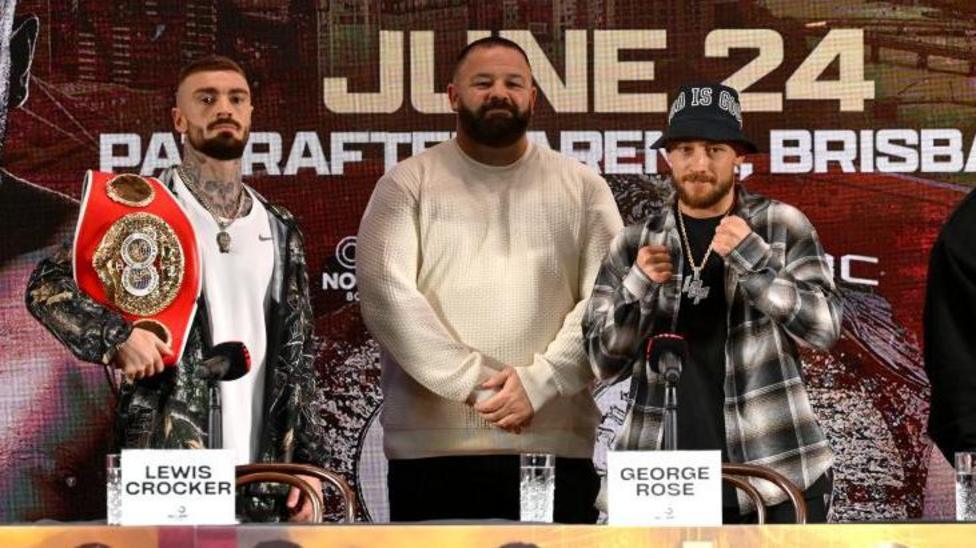
Crocker vs Paro: IBF Title Showdown Hits Brisbane
Lewis Crocker defends his IBF welterweight crown against Liam Paro in a high-stakes clash with historical weight.
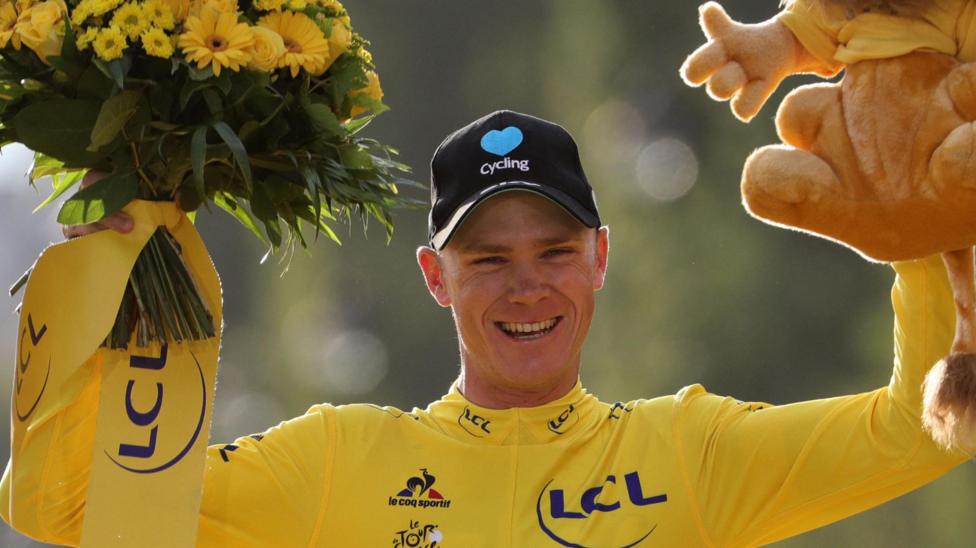
Froome Retires: A Calculated Climber Who Mastered the Grand Tour
Four-time Tour de France winner Chris Froome retires as Britain's most successful Grand Tour rider, a career defined by tactical mastery and devastating climbing efficiency.