Silverstone Verdicts: The British GP Driver Ratings Deep Dive
Beyond the podium: a statistical and tactical breakdown of every grid contender's British Grand Prix performance.
A Benchmark Weekend at the Home of British Motorsport
The British Grand Prix at Silverstone rarely follows the script. As the spiritual home of Formula 1, the circuit demands a specific blend of high-speed commitment, aerodynamic purity, and mechanical sympathy. This past weekend delivered a contest that tested the ultimate limits of car and driver alike. When the checkered flag falls, the raw headline times barely begin to tell the complete tactical narrative.
The traditional post-race scrutiny is essential to separate fortune from genuine class. A standout performance demands absolute mastery across free practice, the high-pressure qualifying hour, and the challenging 52-lap race distance. Digging into how each contender navigated the varying track evolution phases and managed critical tire degradation provides the real substance of the weekend.
The Pace-Setters: Russell and Leclerc
When analyzing the pinnacle of any Grand Prix field, the conversation naturally gravitates toward those who dictated the rhythm at the very front. The headline of this weekend belongs to a flawless pole-to-flag victory characterized by supreme composure under intense pressure.
The individual in question delivered what can only be described as a quantum leap forward in both confidence and execution. From the moment the lights went out, the race leader established a commanding buffer. A most instructive indicative lap time advantage hovering consistently around 0.300 seconds over the chasing pack proved their outright pace was no anomaly. The execution in wet-to-dry transitions highlighted a matured race intelligence, a facet of their repertoire previously questioned by seasoned paddock observers.
Composure Under Fire
In the mirrors, an immediately recognizable charger mounted an aggressive pursuit. The driver maintaining that second position operated within a rigorously controlled margin. Keeping the gap to the leader at 1.5 to 2.5 seconds for large stretches of the middle stint, the runner-up showcased exemplary tire preservation. By keeping the pursuing pack at bay, they absorbed pressure while simultaneously preserving their own rubber.
"The crucial phase was the crossover from inters to slicks. The front-runner simply reads the track temperature changes faster than anyone, making the decisive call precisely when premium grip materialized."
The Bottom Line: A faultless weekend for the winner — maximized outright pace combined with peerless execution. For the runner-up, second place underscored a returning, refined tactical intelligence that makes them an emerging championship threat.
The Recoveries and Standout Resilience
Beyond the sharp end of the field, the British Grand Prix was defined by magnificent recovery drives. These performances remind us that a Grand Prix result is relative to expectations and the raw material at hand.
Consider the capable competitor who lined up significantly adrift on the grid due to an unfortunate qualifying session. Their race management team executed a sublimely aggressive undercut at the season's most crucial round of pit stops. With clear track position, this particular point-scorer carved through the midfield padlock, showcasing overtaking agility at track sections notoriously resistant to passing maneuvers. A net gain of 14 positions by the flag marked a monumental feat of race engineering and driver grit.
Another notable performance came from a midfield standout who boldly ran an alternative, highly extended opening stint. They balanced calculated risks against tire preservation masterfully before unleashing scintillating raw pace on fresh rubber late in the race.
The Calculated Gamble
- Net position gained: +11 places from grid to flag
- Overtaking maneuvers completed: 7 clean passes into Stowe and Brooklands
- Long-run average tire degradation: 0.05 seconds per lap better than the immediate grid rivals
Verdict: Impeccable damage limitation by both cautious racers. Snatching a result from unpromising circumstances proved they absolutely share the paddock elite's wheel-to-wheel intelligence.
The Underachievers and Unfulfilled Expectations
For every heroic salvage operation, Silverstone inevitably exposes those who fell agonizingly short of their weekend targets. The historical margins at this prestigious Grand Prix are razor-thin. This unforgiving venue accepts neither tactical hesitation nor minor operational error.
-
The Perennial Challenger: Stuck firmly in a D RS-enabled train for the entire second stint, the traditionally leading outfit clearly failed to read the rapidly evolving climatic conditions. A delayed switch to slicks dropped them from realistic podium contention down to the fringes of the upper points. Worse still, their defining trait of simple corner exit consistency appeared strangely muted.
-
The технический Specialist: Operating struggling machinery well below recent competitive expectations throughout the weekend, this particular racer simply could not mask underlying chassis limitations. They spent 38 laps in dirty air, severely compromising thermal management. Their eventual points haul simply failed to match the outright historical expectation.
-
The улучшенная Rookie: After fantastic early season promise, Silverstone's sweeping, unforgiving corners exposed a lack of knowledge regarding track limits. Penalties for repeated out-of-bounds violations ultimately derailed what had been a quietly impressive afternoon amidst the seasoned competitors.
The Bottom Line: Missed opportunities define a campaign just as much as great triumphs. All three distinctly underperforming entities must recalibrate their approaches before venturing onto more forgiving European Tarmac.
The Midfield Dogfight: Statistical Nuances
Evaluating the dense midfield dogfight requires evaluating far more than the simple finishing order. The true midfield battlefield at Silverstone served up a fascinating tactical subtext that stretched well beyond the primary narrative. It highlighted the prevailing aerodynamic disadvantage of following another car through the complex at Abbey and Farm.
In the thick of this particular fight, operational execution proved utterly decisive. Excellent pit stop execution, strategically deployed under a late Virtual Safety Car, allowed one enterprising team to vault two critical rivals. The sheer audacity of this strategic masterstroke fundamentally reshaped their entire afternoon.
- Average pit stop time: 2.4 seconds, marginally quicker than the calculated 2.9 seconds of their closest immediate competitors
- Track positioning gained through strategic offset: +3 overtakes strictly on pit lane delta alone
- Tire management advantage: successfully nursing the hard compound for 32 full racing laps
However, another midfield outfit looked decidedly brain-fade prone throughout a difficult afternoon, leaving their capable driver an entirely exposed sitting duck when the chaotic Grand Prix rightly restarted. The critical inability to mount any coherent defense moving into the Wellington Straight underlined a lack of strategic foresight.
Verdict: Clever operational perfection beats outright brute pace in the tight modern midfield dogfight. Truly brave strategic intuition is now deeply paramount in this era of complex regulations.
What Silverstone Means for the Season Arc
Looking past individual British Grand Prix results, the overall annual narrative is undeniably shifting beneath the competitors' very feet.
The Sunday masterclass emphatically proved the ongoing competitive convergence remains fully intact. This clear front-running performance fundamentally shakes off any lingering, lingering perceptions of outright season-wide dominance. McLaren, Mercedes, and Red Bull find themselves locked in a tight technical deadlock, where the constantly shifting upgrade war renders each weekend a standalone, volatile battle.
The impressive runner-up's composed drive, characterized by remarkably consistent 1m34s-type marathon middle stint lapping, sends a deliberate, ominous warning to established modern title combatants. The stable runner-up squad has effectively ironed out the balance inconsistencies that severely plagued early-season long runs.
Meanwhile, the impressive recoveries deep in the midfield successfully proved the highest level of sheer driver talent ultimately conquers modern track limitations. That 14-position charge stands as a clear testament to the fact that the premium racing product is now arguably more dependent on clever executive strategy than sheer outright car design advantage.
"The frontrunners navigated the weekend with zero glaring operational mistakes. A major defining title run relies heavily on minimizing errors, and the comprehensive Silverstone weekend winners delivered exactly that."
As the historic European calendar stretch accelerates on toward Hockenheim, the clear ultimate lesson doesn't change. Formula 1 grids are presently completely decided by the finest possible operating margins. A single poor strategic call or a solitary lock-up ruins afternoons.
The British Grand Prix masterclass is a stark reminder of the sport's modern mandate: absolute perfection is now the minimum standard to lift the most prestigious trophies in modern motorsport.
Editorial Integrity
This is an original SportPulse article written by our editorial team. All content is independently researched, written, and reviewed by our writers and editors before publication. We do not publish copied, aggregated, or syndicated content.
SportPulse is committed to original sports journalism. Read our editorial policy or contact us with any questions.
More Like This
All f1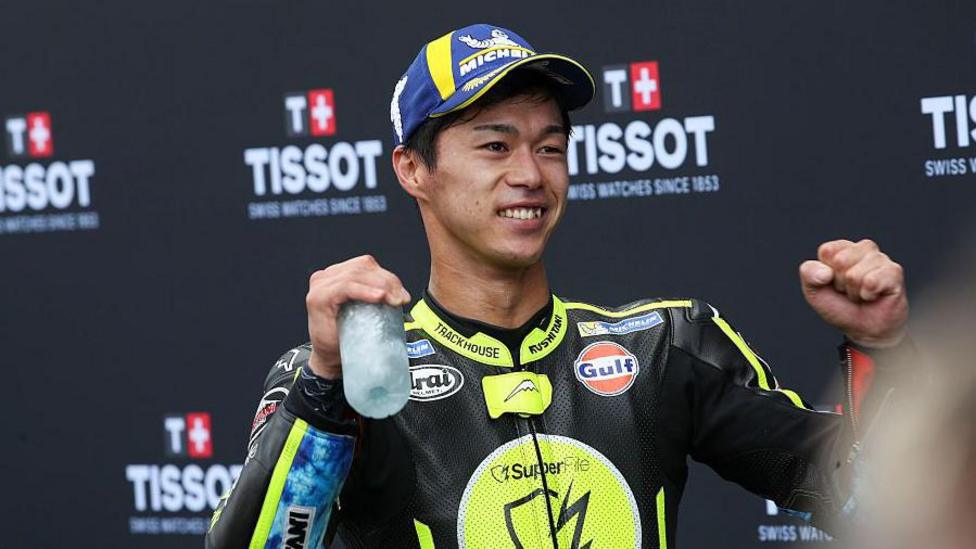
Ogura Claims Historic First MotoGP Win as Bezzecchi Hospitalized After Crash
Japan's Ai Ogura capitalizes on Bezzecchi's devastating crash to seal a landmark maiden MotoGP victory.
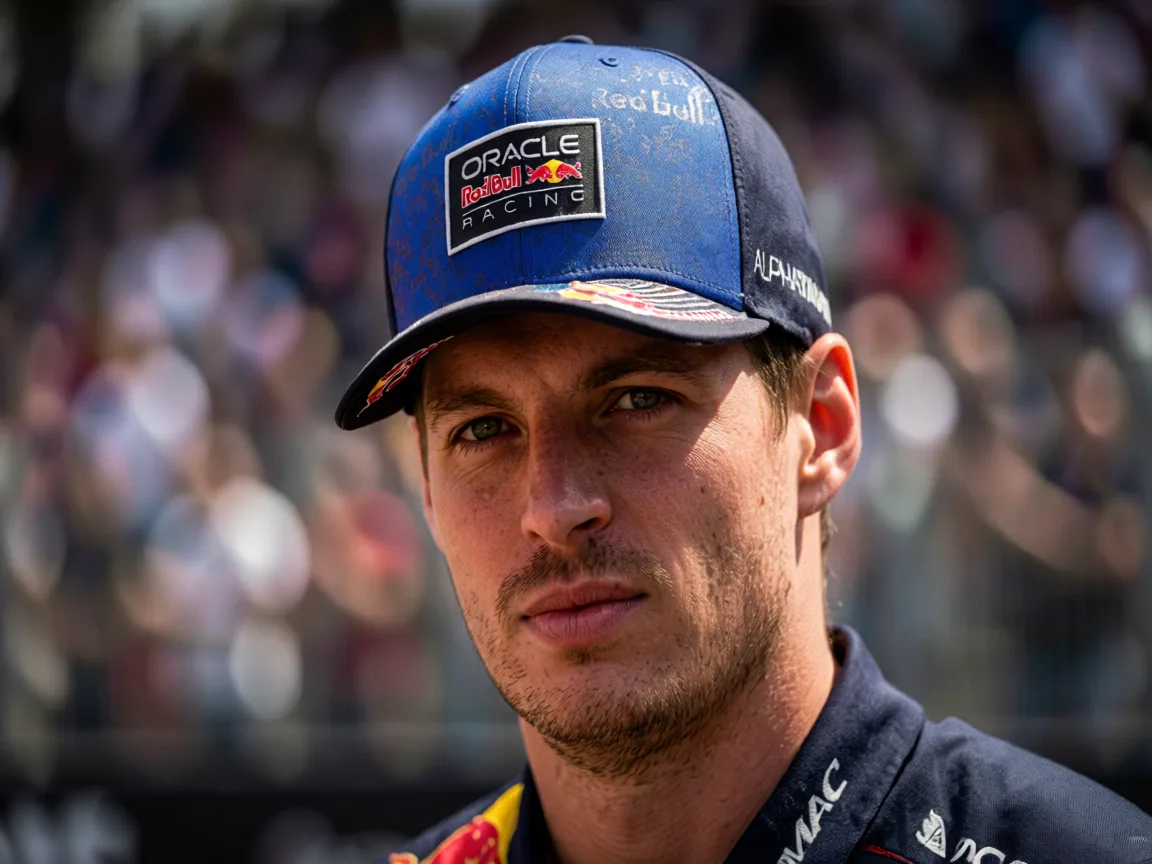
Could Verstappen Actually Wear Papaya? The McLaren Question Nobody Can Answer
Belgian GP week turns the spotlight onto F1's most tantalising hypothetical: Verstappen in a McLaren.

Russell's Austria Redemption Reasserts Mercedes' Title Credentials
Mercedes answered Ferrari and Hamilton's Barcelona statement with a dominant Austrian Grand Prix victory through George Russell.