Canada's World Cup Run Is Rewriting the Country's Sporting Identity
Canada's historic World Cup campaign is doing what decades of domestic investment never could — making the nation believe.
A Nation Finally Looks Up From the Ice
For decades, Canadian football existed in a strange limbo — respected enough to qualify for the odd tournament, ignored enough that most fans couldn't name five players on the roster. That era is dead. Canada's run at this World Cup isn't just a feel-good story about an underdog punching above its weight. It is the single most significant stretch in the history of the sport in a country of 40 million people that has historically treated football as background noise.
The numbers tell part of the story. Canada went 36 years between World Cup appearances — from 1986 in Mexico to 2022 in Qatar — the longest drought of any nation that had previously qualified. In Qatar, the team went winless in three group matches but showed flashes. Alphonso Davies scored Canada's first-ever World Cup goal against Croatia. The performance earned respect, not results.
This time around, the narrative has flipped entirely.
From Also-Rans to Genuine Contenders
The transformation didn't happen overnight. It was built brick by brick through a combination of strategic investment, diaspora talent, and a generation of players who refused to accept Canada's place as a CONCACAF afterthought.
The Canadian Premier League, launched in 2019, gave domestic players a professional pathway that didn't exist before. MLS expansion to Toronto, Vancouver, and Montreal provided a North American stepping stone. But the real catalyst was players — specifically, players who emerged from Canadian communities and went to Europe.
Alphonso Davies became a Champions League winner with Bayern Munich at 19. Jonathan David established himself as one of the most prolific strikers in Ligue 1, netting consistently for Lille before a high-profile move. Tajon Buchanan, Stephen Eustáquio, and Cyle Larin all carved out careers at competitive European clubs. Suddenly, Canada had a spine of players tested at the highest level.
When John Herdman — who had already transformed the Canadian women's program into an Olympic bronze medal force — took charge of the men's team, the belief became institutional. Herdman didn't just organize the squad. He gave it an identity: aggressive, fearless, and unapologetically Canadian.
The Locker Room That Changed Everything
There is a scene that people close to the Canadian program point to as the moment the culture shifted. It wasn't a goal or a tactical adjustment. It was the collective decision, made by players in a hotel meeting room before a crucial qualifying match, that they would no longer play like a team grateful to be invited. They would play like a team that belonged.
That mentality has carried into this World Cup. The squad plays with a controlled intensity that belies its relative inexperience on this stage. The defensive shape is disciplined. The transitions are lightning quick. And in key moments, Canada has shown a composure that simply didn't exist in the program five years ago.
Davies, now a seasoned veteran at 24, operates with the authority of a player who has won everything at club level. David's movement in the final third has been elite. Eustáquio has been the metronome in midfield, dictating tempo against opponents who expected to dominate possession.
The scenes after each victory have been raw. Players embracing on the pitch. Coaching staff visibly emotional. Social media clips of dressing room celebrations going viral in a country where hockey playoff beards generate more engagement than entire football seasons.
What the Numbers Say
Canada's statistical profile at this tournament is genuinely impressive:
- Possession averaging above 48%, a figure that would have been unthinkable for a Canadian side at a World Cup even a decade ago
- A pressing intensity measured by PPDA (passes per defensive action) in the low 9s, indicating aggressive high pressing that disrupts opponents before they can settle
- Multiple players ranking in the top 15% of their positional groups for progressive carries and key passes
- Set-piece efficiency that has been a genuine weapon, reflecting the coaching staff's meticulous preparation
This isn't a team riding luck. It's a team executing a plan.
'You Are Canadian Heroes'
The emotional weight of this campaign extends far beyond the pitch. Canada's football community — players, coaches, administrators, fans — has spent years being told the sport doesn't matter in their country. That hockey is king. That soccer is a niche interest for immigrant communities and suburban youth leagues.
That narrative is crumbling in real time. Viewership numbers for Canada's matches have shattered records. Youth registration for football programs is expected to spike. And the phrase that has echoed across social media throughout this tournament — "You are Canadian heroes" — captures something deeper than sporting achievement. It's an entire culture recognizing that its sporting identity is broader and richer than it ever allowed itself to believe.
For the players, the weight of that recognition is palpable. These are athletes who grew up being told their sport was second-class in their own country. Now they're on the biggest stage in global sport, and they're not just competing. They're winning.
The Bigger Picture
Canada's run arrives at a critical juncture for the sport domestically. With the country set to co-host the 2026 FIFA World Cup alongside the United States and Mexico, this tournament serves as a proof of concept. It demonstrates that Canada can produce world-class talent, that Canadian fans will rally behind the team, and that the infrastructure — both sporting and cultural — exists to support a footballing future that looks radically different from its past.
The Canadian Premier League stands to benefit enormously. Young players who might have drifted toward hockey or basketball now have visible, successful role models wearing the maple leaf on a World Cup pitch. That visibility matters more than any development program or coaching initiative.
Domestically, the conversation has shifted. Sports radio shows that would typically dedicate three hours to the Maple Leafs' fourth-line center rotation are running segments on Canadian tactical formations. Newspaper front pages — actual front pages, not just the sports section — have featured this team. That kind of mainstream cultural penetration doesn't happen because of a single result. It happens because of sustained, credible excellence on the biggest possible stage.
What It Means
Canada's World Cup campaign is not a fairy tale. It's the logical outcome of a decade of investment, talent development, and cultural change within the program. What it means going forward is simple: there is no going back. A country that has watched its team compete — genuinely compete — at a World Cup will not quietly return to treating football as a minor sport. The bar has been raised permanently. The players who came before laid the foundation. The players on this pitch are building the house. And Canadian football, for the first time in its history, has an address the entire sporting world recognizes.
Editorial Integrity
This is an original SportPulse article written by our editorial team. All content is independently researched, written, and reviewed by our writers and editors before publication. We do not publish copied, aggregated, or syndicated content.
SportPulse is committed to original sports journalism. Read our editorial policy or contact us with any questions.
More Like This
All football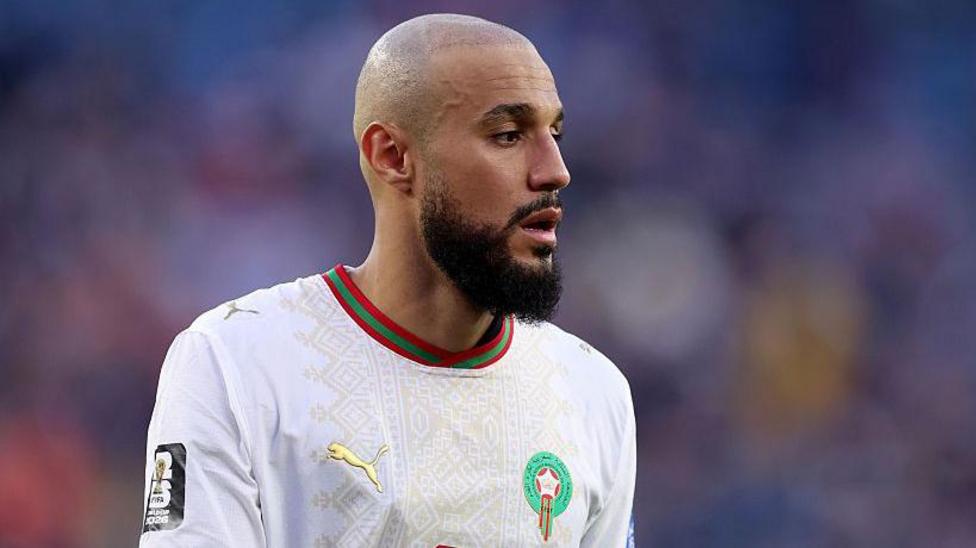
Between Two Flags: The Netherlands-Morocco Rivalry That Runs Deeper Than Football
When Netherlands meet Morocco, it's a collision of diaspora, identity, and a decades-long tug-of-war for dual-national talent.
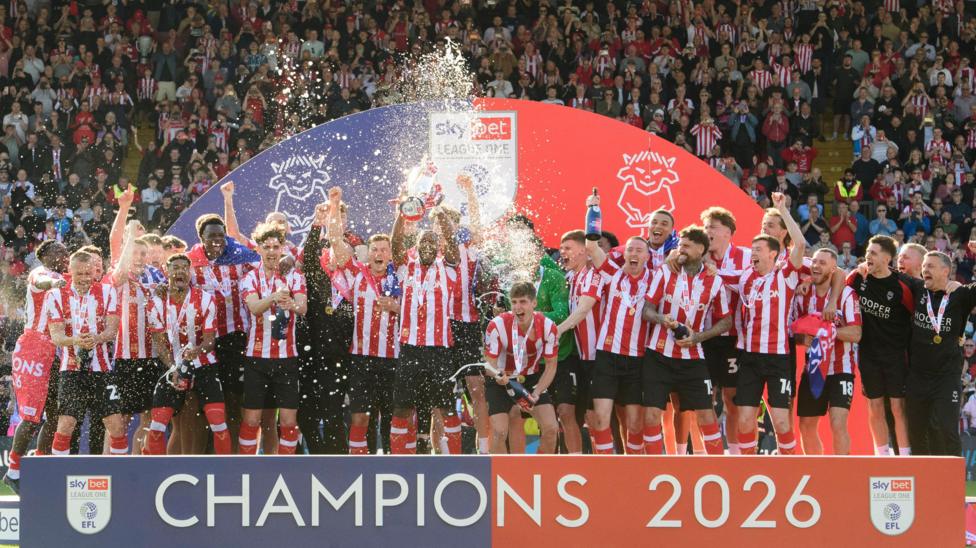
EFL Fixture Release Day: More Than Just a Schedule
The EFL fixture release on June 25 shapes the entire 2024-25 grind for Championship, League One, and League Two clubs.

Popovic's Tactical Crucible: Socceroos Face Egypt With History on the Line
Australia stand one tactical masterclass away from their first World Cup knockout win, but Egypt will demand perfection.