Cabral Thunderbolt: Cape Verde's Remarkable Resistance Against Argentina
Sidny Cabral sent shockwaves through the stadium with an extra-time screamer to level Cape Verde against Argentina for a second time.
The ordinary script was torn apart. Sidny Cabral stood over the ball in the dying, desperate embers of extra time. He took one touch. Then he unleashed hell.
Argentina, for all their pedigree and battalion of world-class talent, could only watch as Cape Verde Equalised for a second time. It was a sporting moment that crystallized everything compelling about international football.
"What a strike!" echoed the chorus from the commentary box, a visceral reaction to a goal that defied both probability and the ruthless hierarchy of the global game.
The Anatomy of a Thunderbolt
This was not a flukey deflection or a defensive mishap. Cabral's goal was raw, unadulterated brilliance born from a moment of immense pressure.
When the ball sat up kindly on the edge of the penalty area, the weight of a nation's sporting ambition rested entirely on his shoulders. A lesser player would have hesitated. Cabral did not.
The technique was textbook yet utterly savage in its execution. A clean, striking motion connected with the ball's sweet spot. It ripped through the humid night air with lethal intent, leaving the goalkeeper rooted to his line. By the time anyone in blue and white could react, the net was already bulging.
It was a milestone moment that sent teammates sprinting toward him in chaotic, unbridled joy. Argentina's defenders collapsed in collective disbelief.
Defying the Footballing Hierarchy
Let's be brutally honest about what happened on the pitch. Argentina embody the absolute zenith of world football. They are the reigning world champions, a squad dripping with dynamic talent, spearheaded by the legendary presence of Lionel Messi.
Cape Verde, by stark contrast, operate on the extreme periphery of the global game. A collection of islands in the central Atlantic, their entire population would barely fill a fraction of Buenos Aires. Their footballing history is short on global stage moments, built almost entirely on raw spirit rather than generational wealth.
Yet for 120 grueling minutes, that chasm in talent did not matter on the grass.
This was Cape Verde equalizing for a second time against the absolute giants of the footballing world. The sheer, stubborn audacity of that achievement cannot be overstated.
The Tactical Flexibility of the Underdog
To understand how this improbable equalizer arrived, you have to look at the emotional fabric of the match. Going behind to Argentina once is demoralizing. Going behind twice is usually fatal.
Most lower-ranked teams concede the second goal and mentally disintegrate. The belief evaporates entirely. The floodgates typically open, turning a brave performance into a humiliating scoreline.
Cape Verde refused to accept that psychological script. Each time they were struck, they stood up, dusted themselves off, and punched back with increasing ferocity. Cabral's strike was the ultimate manifestation of a refuse-to-die attitude.
Tactically, they remained disciplined but never cowardly. The defensive shape was deeply compact, forcing Argentina into sterile possession around the perimeter. When they won the ball back, they counter-attacked with purpose. They moved the ball forward in vertical, dangerous lines rather than timidly recycling it sideways.
Behind the Deal: The Commercial Value of a Shock
While official broadcast figures for this specific fixture are private, global football economics dictate that friendlies featuring Argentina pull substantial international viewership. Streaming numbers were expected to spike precisely because of narratives like this one.
A shock result or performance from a minnow nation does more than just entertain. It fundamentally shifts commercial gravity.
For Cape Verde's federation, a high-profile draw against the world champions is worth its weight in gold. It attracts immediate attention for shirt sponsorships, broadcast partnerships, and government funding for grassroots development. A moment of magic from Cabral is a financial catalyst, a highlight reel that will be used in promotional materials for the next decade.
Key Match Dynamics
- 2 goals conceded by Argentina past the 90th minute, an alarming defensive lapse for a side that prides itself on rigid structure.
- 1 moment of individual genius completely overshadowing a deeply disjointed attacking display from the world champions.
- Cape Verde's resilience tested twice; they passed each critical mental examination with flying colors.
Argentina's Uncomfortable Mirror
For Argentina, this match serves as an almighty wake-up call wrapped in deep frustration. Friendly fixtures are tactical auditions. They are vital opportunities to refine tactical patterns and test the mental fortitude of fringe players hoping to break into the core squad.
Lionel Scaloni will have learned far more from this agonizing draw than he would have from a routine 4-0 demolition. The first equalizer was a blip, an annoying inconvenience to be ironed out at halftime. The second was a five-alarm fire exposing critical vulnerabilities.
Conceding deep in extra time highlights a fragility that haunts tactical memory. It suggests a drop in collective concentration, an inability to manage the tempo of the game when exhaustion sets in. When the pressure peaked and the clock ticked past 100 minutes, Argentina's gears ground to a halt. Their attacking fluency and defensive solidity completely deserted them.
Scaloni now faces a tactical roadblock of probing questions. Do his substitutes truly maintain the standard set by his untouchable starters? Does the defensive structure lack a killer instinct to close out stubborn, rough opponents?
"When you wear this shirt, there is no friendly. Every pass is scrutinized, every goal conceded is a question of character," — a sentiment universally echoed across Argentine football.
The uncomfortable truth is that Argentina's aura of invincibility took a tangible hit. Opposing teams will watch the tape of this match. They will see Cape Verde refuse to buckle, see Cabral's strike rip through the net, and realize the kings of world football are mortal. They bleed just like everyone else.
The Global Impact of a Magic Moment
Recall the greatest underdog stories etched into footballing lore. Leicester City lifting the Premier League trophy. Senegal dismantling France in the 2002 World Cup opener. Greece navigating a brutal tournament to win Euro 2004.
Cabral's goal does not belong in that exact tier of historical achievement yet. This was a friendly, after all, where stakes are tempered by substitutions and more lenient officiating. But the feeling of the moment? That pure, uncut emotion? It was identical to those immortal upsets.
For a brief, spectacular snapshot in extra time, Cape Verde stood shoulder to shoulder with footballing royalty and refused to bow.
What This Means Moving Forward
For Cape Verde, this is a foundational building block. It is a result that will breed permananent confidence within the locker room. Future qualifying campaigns for the Africa Cup of Nations and the World Cup will draw directly on the resilience displayed here.
The memories of surviving deep, exhausting spells of Argentine pressure, only to strike back with venom, become a mental armor they can wear into hostile African qualifiers.
For Argentina, the immediate future involves a brutally honest tactical film session. Scaloni will break down the goals frame by frame, dissecting where the defensive shape collapsed. He will demand better game management, ruthless execution, and total authority in the dying embers of matches.
The beautiful game occasionally throws out a script nobody saw coming. Sidny Cabral tore up the narrative of Argentine superiority and wrote his own name into the sky. He delivered a strike that will echo through the Atlantic islands for generations. He proved that in football, heart and a hammer of a right foot can overcome any amount of star power.
Editorial Integrity
This is an original SportPulse article written by our editorial team. All content is independently researched, written, and reviewed by our writers and editors before publication. We do not publish copied, aggregated, or syndicated content.
SportPulse is committed to original sports journalism. Read our editorial policy or contact us with any questions.
More Like This
All football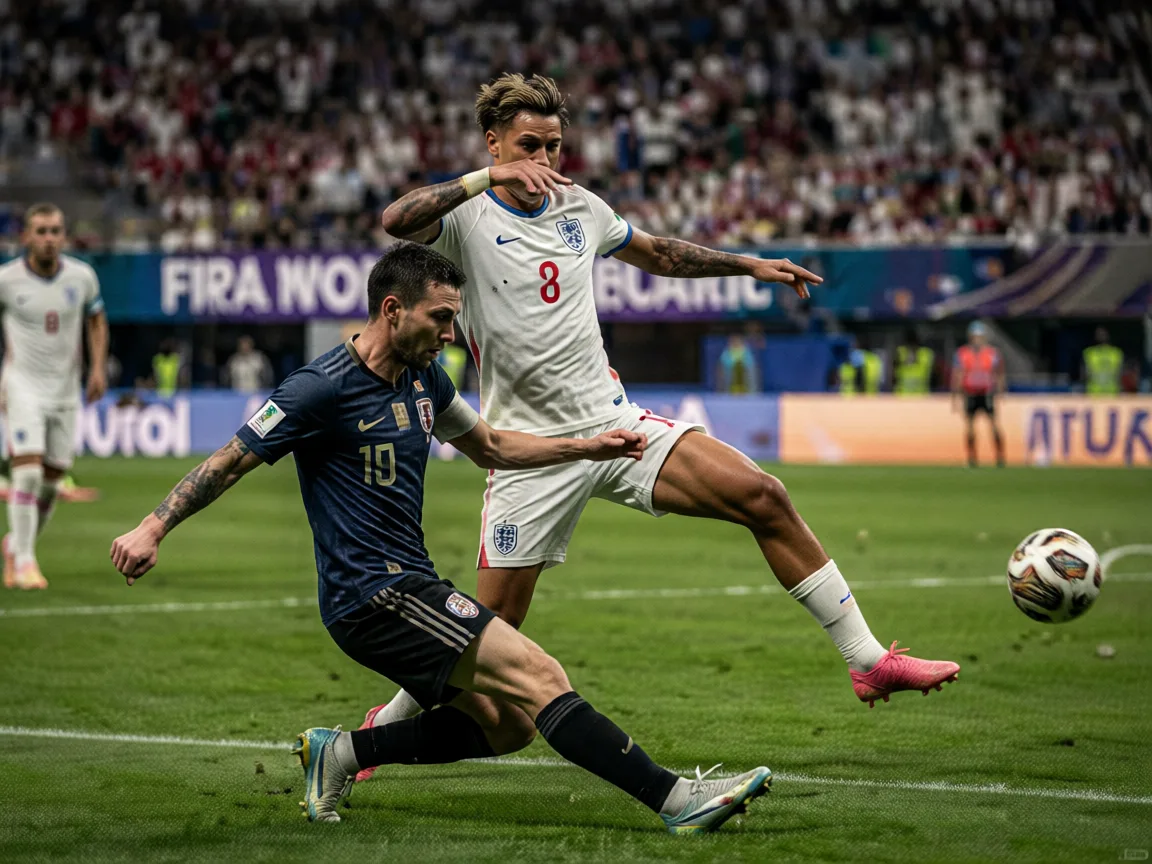
Tuchel Tamed Messi for 60 Minutes. Then Genius Struck
England bottled Messi statistically, but one subtle positional shift exposed the limits of tactical planning against football's ultimate outlier.
Villa Slapped With £19.4M Uefa Fine Over Squad-Cost Breach
Aston Villa among four Premier League clubs penalised by Uefa as financial crackdown intensifies across English football.

Championship Chaos: Why This Promotion Race Defies All Logic
The most unpredictable promotion race in Championship history is here, and the data suggests chaos is the only certainty.