Cape Verde Write Themselves Into World Cup Lore
Cape Verde's heroic rearguard against Spain joins the pantheon of greatest World Cup underdog stories.
The Night the Possession Stats Lied
27 shots met a human wall. 734 passes crashed against a tactical fortress. Spain dominated every metric except the one that matters. Cape Verde walked off the pitch with a 0-0 draw that shook the 2026 World Cup to its core.
The numbers defy belief. Spain completed 734 passes to Cape Verde's 205. La Roja fired 27 attempts at goal. The Blue Sharks managed just a fraction of that output. Yet the scoreboard remained untouched.
Standing at the center of this historic siege was Vozinha. At 40 years old, the Cape Verdean goalkeeper produced the performance of a lifetime. He repelled wave after wave of Spanish attacks, refusing to let the tournament favorites break through.
In the away dressing room afterward, the atmosphere was pure exhaustion and raw emotion. Players slumped against the walls, ice packs strapped to bruised legs. Vozinha reportedly sat in silence, tears streaming down his face after learning his mother could not secure a visa to witness his defining moment. The room oscillated between exhausted silence and eruptive celebration.
"We suffered together, we fought together. This is for every Cape Verdean who ever doubted we belonged on this stage."
The Anatomy of an Upset
Cape Verde entered this match ranked 61 places below Spain in the FIFA rankings. The gulf in class was visible from the first whistle. Spain kept the ball with trademark precision, probing for openings that never came.
But Alfred Fory's side deployed the oldest starting XI of the tournament. With an average age north of 31 years, this was supposed to be a squad too slow to cope with Spain's youthful, dynamic attack. Instead, that age became their greatest weapon.
Experience breeds patience. These players have spent entire careers absorbing pressure from superior opposition on the African continent. They translated that continental grit onto the world stage perfectly. Every tackle was timed. Every block was committed. Every clearance was deliberate.
The defensive shape was phenomenal. Cape Verde did not simply park the bus in a chaotic manner. They maintained disciplined lines, forced Spain into crosses from wide areas, and trusted Vozinha to command his box. The tactical maturity of a supposedly inferior side was staggering to watch unfold.
Historical Echoes
Cape Verde's heroics immediately invited comparisons to the greatest underdog performances in World Cup history. The tournament has always reserved space for the impossible. These magic moments define the competition's soul.
1974. West Germany versus East Germany. Jürgen Sparwasser struck in the 74th minute to give the underdog a 1-0 victory over their heavily favored neighbors. The political tension made the upset seismic. Sparwasser became the toast of East Berlin overnight. A nation built on division found unity through a single goal.
1990. Cameroon versus Argentina. The defending world champions fell 1-0 to a side few gave any chance. François Omam-Biyik's towering header exposed the arrogance of a complacent champion. The Indomitable Lions rumbled Argentina into shock. It remains the gold standard for World Cup opening upsets.
2002. Senegal versus France. Another defending champion, another African team delivering a bloody nose. Papa Bouba Diop's goal sealed a 1-0 win over Les Bleus. The parallels to Cameroon's heroics were unmistakable. African football announced itself on the grandest stage once again.
2014. Costa Rica's entire group stage campaign in the so-called Group of Death. La Sele defeated Uruguay and Italy, drew England, and topped the group. A side given zero chance advanced at the expense of three former world champions.
Cape Verde's draw against Spain firmly belongs in this conversation. A draw rather than a win, yes. But the sheer statistical dominance they absorbed elevates this into legendary territory.
What the Numbers Really Tell Us
The 529-pass differential between Spain and Cape Verde is staggering. It exposes the modern fallacy that dominating possession equals dominating a football match. Spain had the ball. Cape Verde had the plan.
- Spain completed 734 passes with minimal end product
- Cape Verde managed just 205 passes but conceded nothing
- 27 Spanish shots tested Vozinha without finding a breakthrough
- Cape Verde's starting XI averaged over 31 years of age
- The FIFA ranking gap was 61 places
These figures tell a story of profound resilience. Modern football analytics often champions progressive passing and high pressing. Cape Verde proved there is still profound value in the old arts of positioning, blocking, and pure stubbornness.
Vozinha's individual performance deserves permanent archival. A 40-year-old goalkeeper facing 27 shots and conceding zero is a statistical anomaly. At an age when most professionals are retired and coaching, he produced arguably the greatest performance of his career on the biggest platform imaginable.
The Bigger Picture for Cape Verde
This result transforms Cape Verde's World Cup campaign. A draw against Spain provides a crucial point in a difficult group. More importantly, it provides belief. The Blue Sharks know they can survive against the elite.
The challenge now is avoiding an emotional hangover. Fory must ensure his side does not treat this draw as a final victory. The group stage demands consistency across three matches. A legendary result against Spain means little if Cape Verde crumbles in their remaining fixtures.
Tactically, opponents will now study this performance closely. Future group stage rivals will know to expect extreme defensive discipline. They will prepare for low blocks and timed pressing. Cape Verde can no longer sneak up on anyone. The element of surprise is gone forever.
The visa issue surrounding Vozinha's mother also throws the emotional stakes into sharp relief. These players carry their nation's hopes and its bureaucratic struggles simultaneously. The political and emotional dimensions of this result extend far beyond the pitch. Football remains deeply human at its core.
What It Means
Cape Verde's resolute stand against Spain permanently rewrites the World Cup underdog hierarchy. This was not a lucky punch or a counterattacking masterpiece secured by a single moment of brilliance. This was 93 minutes of organized, relentless, grueling defensive resistance against a superpower.
It confirms the World Cup remains the ultimate theater for improbable defiance. Wealth, resources, and possession stats still cannot guarantee goals. A 40-year-old goalkeeper and the oldest XI of the tournament just proved that. For Spain, it exposes a familiar flaw of sterile domination. For the rest of the world, it provides the tournament's defining underdog moment so far.
Cape Verde may not advance from this group. Spain may still top it comfortably. But this draw is now carved into tournament folklore forever. Vozinha and his defiant warriors ensured that much. The beauty of the World Cup has always lived in these exact moments of glorious, stubborn defiance.
Editorial Integrity
This is an original SportPulse article written by our editorial team. All content is independently researched, written, and reviewed by our writers and editors before publication. We do not publish copied, aggregated, or syndicated content.
SportPulse is committed to original sports journalism. Read our editorial policy or contact us with any questions.
More Like This
All football
City Smash British Transfer Record with £130m Anderson Deal
Manchester City's £130m move for Elliot Anderson signals a seismic shift in how English talent is valued.

Spurs Plot Savinho Swoop As Madrid Cool On Rodri
Tottenham chase Savinho from City, Madrid back off Rodri, and Milan circle Foden in a simmering transfer subplot.
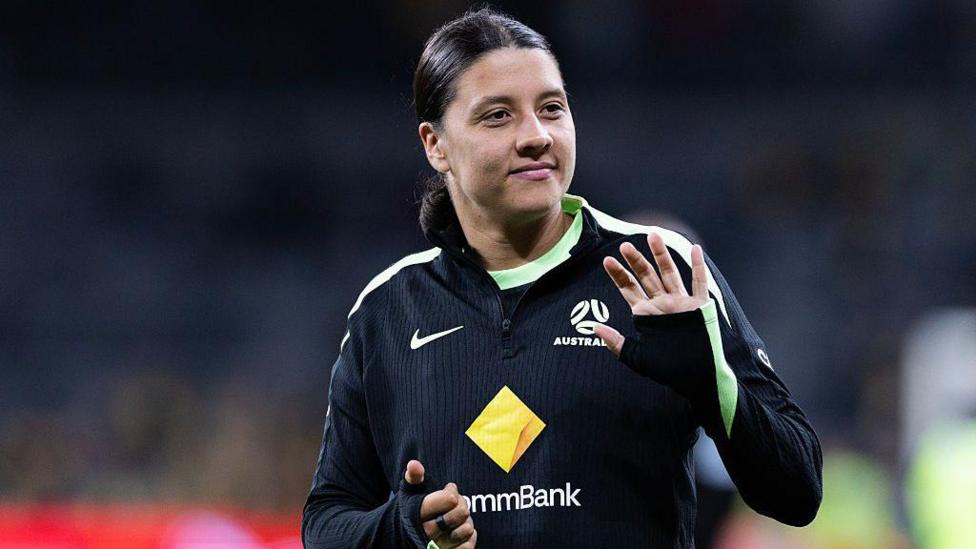
Sam Kerr Returns to the NWSL as Gotham FC Land a Generational Striker
Australia's all-time leading scorer reunites with Gotham FC on a four-year deal after five trophy-laden years at Chelsea.