From Lord's Heartbreak to Leading England: Charlie Dean's Stunning Redemption Arc
Once defined by a crushing dismissal at Lord's, Charlie Dean now captains England into a World Cup semi-final.
The Moment That Could Have Broken Her
Picture this. Lord's. The Home of Cricket. September 2022. Charlie Dean is 47 not out, battling toward what would have been one of the most remarkable run chases in women's ODI history. England need a handful of runs. The crowd is electric. And then, in a flash, it's over.
Deepti Sharma at the non-striker's end removes the bails. The appeal goes up. Dean is run out at the non-striker's end, the so-called "Mankad" dismissal that divides cricket opinion like almost nothing else. India celebrate. The match is theirs. Dean stands at the crease, devastated, tears streaming down her face.
"She was in bits. Absolute bits. You could see it in her eyes. That wasn't just a wicket lost. That felt like something far deeper." — Observer at Lord's that day
The footage went viral. Every angle. Every replay. Dean walking off, inconsolable. The cricket world split into two furious camps. Some called it unsporting. Others pointed out it was entirely within the laws of the game. But amid all the noise, the shouting, the think pieces, something got lost.
Charlie Dean was 21 years old.
The Weight of a Narrative
Here's the thing about defining moments in sport. They're only defining if you let them be. And Charlie Dean, quietly, stubbornly, brilliantly, refused.
In the months that followed the Lord's incident, Dean could have shrunk. She could have let the narrative consume her, become "the girl who got Mankaded at Lord's." Cricket history is littered with players haunted by a single moment, their careers viewed through one cruel lens.
Instead, Dean did something far more difficult. She got better.
Her off-spin sharpened. Her batting matured. Her understanding of the game deepened in ways that raw talent alone cannot explain. Those who watched her closely in domestic cricket and on England duty saw a cricketer evolving, not one retreating.
The Numbers Tell the Story
- A bowling average that tightened considerably across the subsequent international calendar
- Multiple match-winning contributions with both bat and ball in high-pressure situations
- Consistent selection and growing trust from selectors and coaching staff
- Progression into leadership roles within the England setup
The selectors noticed. The coaching staff noticed. And when the moment came to hand someone the captaincy armband as a stand-in, the choice spoke volumes about how far Dean had traveled since that tearful walk off at Lord's.
From Heartbreak to the Armband
Being handed the stand-in captaincy of your country is not a ceremonial gesture. It is a statement of supreme trust. It says: we believe you embody what this team is about. We believe you can lead when it matters most.
For Dean, it represented something even more profound. A complete rewriting of her story.
Think about the journey. From a young player whose most public moment was one of vulnerability and controversy, to the woman trusted to captain England at a World Cup. The contrast is staggering. The symbolism is impossible to ignore.
And yet Dean has carried the responsibility with the same quiet composure that has defined her resurgence. No grand declarations. No performative leadership. Just steady, intelligent captaincy that has helped steer England all the way to the semi-finals.
Behind the Captaincy
What Makes Dean Tick
Those who know Dean's cricket speak about her tactical intelligence. She reads the game with an off-spinner's patience and a strategist's precision. She understands angles, fields, pressure points. These are not qualities that arrive overnight. They are forged through experience, through adversity, through moments like the one at Lord's.
"The best leaders are the ones who have been tested. Charlie has been tested in the most public way imaginable. And she came through it stronger. That tells you everything about her character." — Former England teammate
Her captaincy style mirrors her personality. She does not seek the spotlight. She does not dominate dressing-room conversations with volume. Instead, she leads through clarity of thought, through the respect she has earned from teammates who have watched her rebuild her confidence brick by brick.
In a squad containing experienced internationals, Dean's authority has not been undermined by her relative youth or her status as a stand-in. That speaks to something intangible, something that cannot be coached. Presence.
The Redemption Arc Nobody Scripted
Sport loves a redemption narrative. We crave them. We search for them in every comeback, every turnaround, every underdog triumph. But the best ones, the truly resonant ones, are never manufactured. They happen because an athlete refuses to be defined by their lowest moment.
Charlie Dean's arc is one of the finest in recent English cricket. Not because of any single spell or innings, but because of the totality of what she has built since that September afternoon at Lord's.
She took the most painful moment of her professional life and used it as fuel. Not bitter fuel. Not angry fuel. The kind of fuel that burns steady and long. The kind that sustains a player through the grind of international cricket, through the pressure of knockout tournaments, through the weight of leading your country when the stakes are at their highest.
The Semi-Final Awaits
England now stand one match from a World Cup final, captained by a player who was once reduced to tears in front of millions. The poetry writes itself.
But Dean will not be thinking about poetry. She will be thinking about field placements, bowling changes, match-ups, pressure moments. That is who she has become. A cricketer first, a story second.
The opponents in the semi-final will not care about her journey. They will not be moved by her resilience. They will want to win, just as fiercely as she does. And that is exactly how Dean would want it.
What This Means for England Cricket
Beyond Dean's personal redemption, her emergence as a leader raises fascinating questions about the future of the England women's setup. If she can perform at this level as a stand-in captain at a World Cup, what does that say about the depth of leadership in the squad?
The answer is encouraging. England's production line of talent is not just about players anymore. It is about leaders. Dean is proof that the system is developing cricketers who can handle pressure, who can grow through adversity, who can step up when called upon.
For the broader women's game, her story is equally significant. Young players watching at home, whether at county grounds or on television, can see that a single moment does not define a career. What defines a career is what you do next.
Charlie Dean chose to get better. She chose to lead. And now she stands on the edge of a World Cup final, carrying the hopes of a nation with the quiet authority of someone who has already faced her toughest opponent.
Herself.
Editorial Integrity
This is an original SportPulse article written by our editorial team. All content is independently researched, written, and reviewed by our writers and editors before publication. We do not publish copied, aggregated, or syndicated content.
SportPulse is committed to original sports journalism. Read our editorial policy or contact us with any questions.
More Like This
All long-reads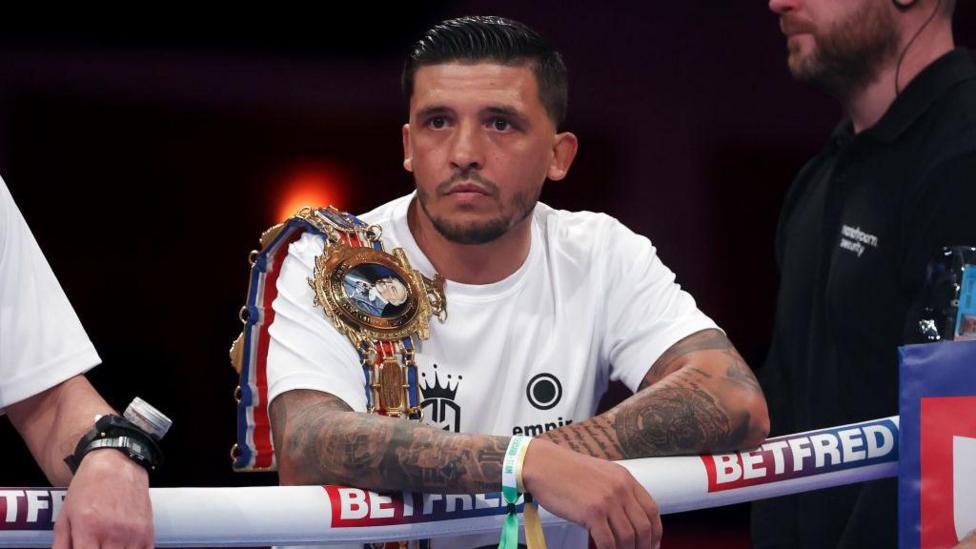
From World Champion to Bare Knuckles: Why Lee Selby Walked Into the Fire
Former IBF featherweight king Lee Selby explains his shocking leap into bareknuckle boxing's unforgiving arena.

When Rankings Actually Mean Something: The World Cup's Top Four Rarity
FIFA rankings usually miss the mark, but when the top four collide in semi-finals, statistics reveal a tournament predicting itself.
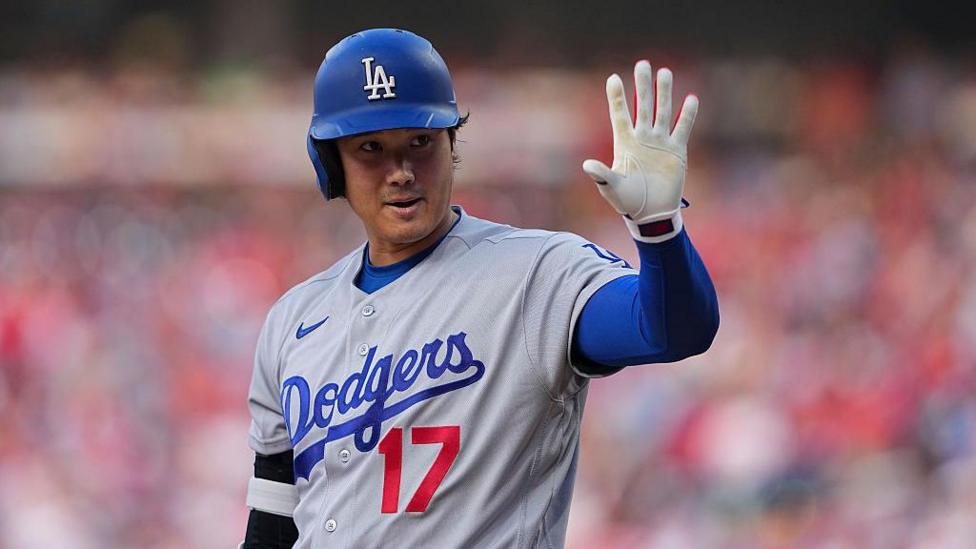
Ohtani and Dodgers to Headline BBC's First Summer of Live MLB Coverage
World Series champions Los Angeles Dodgers will anchor a new live Major League Baseball broadcast deal on the BBC.