From Blue Peter Prodigy to England Boss: Charlotte Edwards' Full Circle
Charlotte Edwards went from a Blue Peter rising star in 1997 to England's T20 World Cup head coach this summer.
The cameras flashed, the iconic theme tune played, and a teenager sat awkwardly on the famous Blue Peter sofa. It was 1997, and a 17-year-old named Charlotte Edwards was introduced to the nation as a rising star about to embark on her first World Cup in India.
She was a prodigy. A batter so gifted that she was breaking into the senior international setup while her peers were worrying about school exams. But even the most imaginative television producer back at BBC Television Centre couldn't have scripted what would come next.
This summer, that same teenager will lead England into the T20 World Cup. Not as a batter. Not as a captain. But as the head coach. It is a narrative arc that spans nearly three decades of women's cricket, tracking the sport's journey from the margins to the mainstream.
The Girl on the Sofa
Rewind to that 1997 broadcast. Women's cricket was a ghost town in the British sporting landscape. No professional contracts. No terrestrial television coverage. No packed houses at Lord's. Edwards was presented as a novelty, a curiosity for a children's show rather than a serious athlete for the sports desk.
Yet beneath the awkward teenage exterior, a fierce competitor was already forged. She wasn't just heading to India for the experience. She was going to compete.
"You could see it in her eyes even then. She wasn't there to make up the numbers. She had an absolute burning desire to be the best in the world." — Former teammate recalling Edwards' early career mindset
That debut World Cup in India served as a brutal, beautiful education. Edwards didn't set the tournament alight with runs immediately. Instead, she absorbed the pressure. She watched the senior players. She understood the standards required to survive at the top.
Within two years, she was destroying bowling attacks across the globe. By 1999, she was averaging over 50 in ODIs. The Blue Peter rising star had graduated into England's most feared batter.
The Captain Who Changed Everything
The real transformation began when the armband was thrust into her hands. Edwards took over the England captaincy in 2005, inheriting a team that lacked belief, funding, and professional infrastructure.
She didn't just lead. She dragged the entire operation into a new era.
Under her captaincy, England won the 2009 World Cup on home soil. That wasn't just a trophy. It was a cultural reset. The team drew crowds to Lord's. They made the country care about women's cricket.
Then came the 2010 T20 World Cup triumph in the Caribbean. Edwards stood at the crease, arms aloft, a gold medal around her neck, and confirmed what everyone already suspected: she was the most influential figure in the history of the English women's game.
The numbers from her playing career read like fiction.
- 5,992 runs in WODIs, the highest by any English woman
- 2,276 runs in WT20Is
- 30 centuries across international formats
- Captaincy spanning 218 matches
The Brutal End and the Unwritten Chapter
Every great sporting story demands a moment of darkness. For Edwards, it arrived in 2016 with the sudden, ruthless end to her international career. The new regime wanted a rebuild. They wanted youth. They decided the 36-year-old legend was surplus to requirements.
It stung. Badly.
"I felt I could still offer so much. Being told you're no longer wanted, after everything, it was the toughest conversation of my life." — Reflections on her international retirement
Most players would retreat into commentary or coaching badges as a consolation prize. Edwards did neither. She went back to county cricket and scored a mountain of runs, as if to prove a point. Then she pivoted to coaching, but the sharp end of the sport, not the gentle slope.
Transfer Intel: The Coaching Apprenticeship
Edwards didn't walk straight into the England job. She served a grueling, high-pressure apprenticeship that would make any corporate career ladder look leisurely.
She took the reins at Hampshire and Southern Vipers, building a dynasty in the regional setup. Titles followed. Players flourished under her intense, demanding style.
Then came the franchise calls. The big ones. Sydney Sixers in the Women's Big Bash League. Mumbai Indians in the Women's Premier League. Royal Challengers Bangalore in the WPL.
These were not token appointments. Edwards was operating in the most high-pressure environments in world cricket, managing global superstars and delivering championships.
Her coaching DNA is unmistakable. It mirrors her playing persona: aggressive, unrelenting, obsessed with standards.
- Led Southern Vipers to multiple domestic titles
- Coached Sydney Sixers to the WBBL finals
- Guided Mumbai Indians to the inaugural WPL championship in 2023
- Oversaw Royal Challengers Bangalore's campaign in 2024
She learned how to manage egos. She learned how to handle T20 chess matches in high-stakes environments. She learned how to win when the pressure suffocates.
The Return of the Queen
When the England head coach position became vacant, the entire cricketing world knew the script. There was only one candidate who could unite the dressing room, command instant respect, and understand the unique pressure of wearing the Three Lions.
Edwards' appointment wasn't just a sentimental homecoming. It was a strategic masterstroke by the ECB.
She knows what the World Cup feels like as a player. She knows the agony of falling short. She knows the euphoria of lifting the trophy. That emotional intelligence is something no coaching certificate can teach.
The current England squad is packed with talent. Nat Sciver-Brunt remains one of the most destructive all-rounders in the game. Sophie Ecclestone is a world-class spinner operating at the peak of her powers. But recent World Cups have delivered heartbreak, not glory. A semi-final exit in 2023. Final losses that haunt the dressing room.
Edwards brings something different. She brings an aura of ironclad conviction. When she speaks about winning, players listen because they know she has done it herself.
"She doesn't just tell you how to win. She shows you who you have to become to win. The mindset shift since she arrived has been massive." — Source close to the England camp
What's Next: The Summer of Reckoning
The T20 World Cup this summer represents more than a tournament for Edwards. It is the closing of a circle that started on a BBC children's show in 1997.
Back then, she was a kid with a dream and a cover drive that could break hearts. Now she is the architect of a team expected to conquer the world.
The challenge is immense. Australia remain the monolithic force in the women's game, winning seemingly at will. India are improving rapidly. The global landscape is tighter than ever.
But Edwards has never shied away from a fight. Her playing career was built on defying expectations. Her coaching career has been built on dismantling the idea that former players can't transition to the dugout with authority.
England will head into the tournament with a coach who understands the weight of history. Who carries 27 years of international experience in her bones. Who knows that the difference between a winner's medal and a plane ticket home often comes down to a single over, a moment of courage, a refusal to blink.
The Blue Peter cameras won't be waiting at the airport this time. The entire cricketing world will be watching instead. And Charlotte Edwards wouldn't have it any other way.
Editorial Integrity
This is an original SportPulse article written by our editorial team. All content is independently researched, written, and reviewed by our writers and editors before publication. We do not publish copied, aggregated, or syndicated content.
SportPulse is committed to original sports journalism. Read our editorial policy or contact us with any questions.
More Like This
All long-reads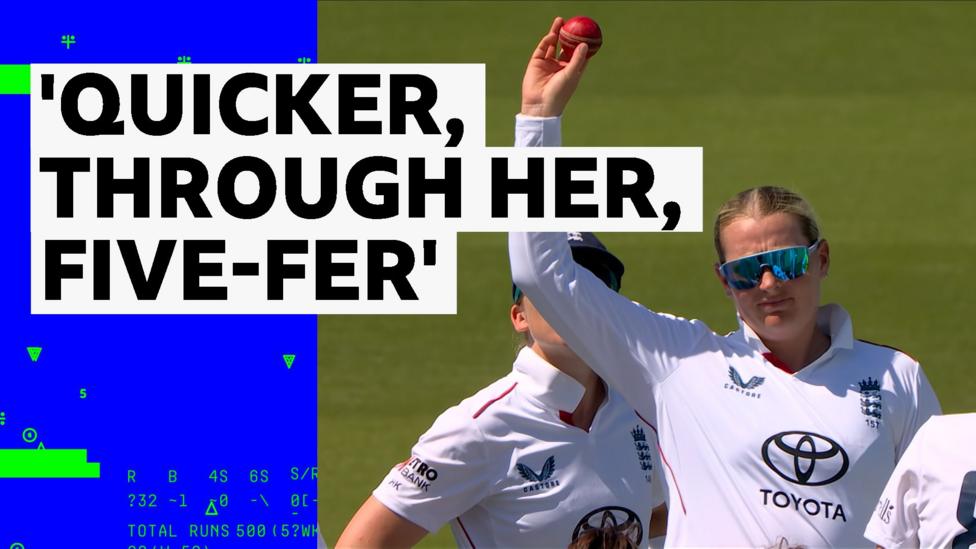
Ecclestone Etches Name Into Lord's History
Sophie Ecclestone becomes the first English woman on Lord's honours board with a five-wicket demolition of India.

Infantino's Trump Gambit Backfires, Dragging Football Into Political Quagmire
FIFA's president pursued influence with Trump but entangled football in politics and wounded the game's credibility instead.
Mbappé's World Clock Is Ticking — And Florida Is Whispering
At 23 he conquered the world. At 31, he may be chasing shadows while Inter Miami beckons seductively from the wings.