Chelsea Bet Big on Atalanta's Pipeline With Palestra Capture
Chelsea's £43m move for Atalanta's Marco Palestra signals a clear tactical identity shift under Alonso.
Chelsea have agreed a deal in excess of £43 million for Atalanta defender Marco Palestra, making the Italian centre-back the first signing of the Alonso era at Stamford Bridge. It is a statement of intent that tells you everything about where this new project is heading.
Why Palestra? Why Now?
The price tag alone demands scrutiny. £43 million for a defender who has spent his formative years in Bergamo is not casual spending. It is a calculated bet on a specific profile: technically proficient, comfortable in possession, and schooled in one of Europe's most sophisticated defensive systems.
Atalanta under Gian Piero Gasperini have become football's most reliable conveyor belt of elite defensive talent. The club's model is brutally effective: identify raw attributes, drill positional intelligence, and sell at a premium. Palestra is simply the latest export from a pipeline that has consistently produced defenders valued well above their initial acquisition cost.
Chelsea have been here before. The Blues have spent lavishly on centre-backs in recent windows, with mixed returns. The difference this time lies in the coaching context. Alonso arrives with a reputation built on structure, positional play, and a demand for defenders who can initiate attacks rather than merely halt them. Palestra fits that blueprint.
The Atalanta Factory
Bergamo has quietly become the most important address in European football for defensive development. Atalanta's system produces players who understand spacing, pressing triggers, and the art of progressive carrying from deep positions. These are not traditional Italian stoppers standing on the edge of their own box. They are modern, hybrid defenders.
Palestra has operated within that framework, and the expectation at Chelsea is that his tactical literacy will accelerate his adaptation to the Premier League. The physical demands are different, of course. English football's tempo and aerial bombardment test every defender who crosses the Channel. But the technical and mental foundations built in Bergamo tend to travel well.
Consider the track record: defenders who leave Atalanta's system regularly command fees that exceed initial projections because the market understands what the coaching has delivered. £43 million may look steep today, but Chelsea are paying for development that has already been completed elsewhere. In a market where Premier League clubs routinely pay inflated sums for unfinished products, this is arguably more efficient.
What the Numbers Signal
- £43m+ places Palestra among the most expensive defensive signings in Chelsea's recent history
- Atalanta have sold defenders at significant profit in multiple windows, validating their valuation model
- Chelsea's defensive spending across the last three windows has exceeded £200 million, reflecting persistent structural issues
- Alonso's Leverkusen side posted some of the best defensive metrics in Bundesliga history last season
Alonso's Tactical Identity Takes Shape
The choice of Palestra as the opening move reveals Alonso's priorities. He could have chased a forward, a midfielder, a statement name. Instead, he went for a centre-back. The message is clear: the foundation matters more than the ornamentation.
Alonso built his reputation on a back three system that demanded exceptional distribution from central defenders. His Leverkusen side played with a fluidity that started at the back, with centre-backs stepping into midfield with the ball, stretching opposition pressing structures, and creating numerical advantages in build-up phases. Palestra's skill set aligns perfectly with that philosophy.
Chelsea's current defensive options have struggled with exactly these demands. The Blues have conceded far too many goals from turnovers in their own third, a symptom of defenders uncomfortable under pressure and lacking the passing range to break lines. Palestra addresses both problems simultaneously.
"The first signing of any new era is never just a signing. It is a manifesto.
The Financial Architecture
£43 million is not pocket change, even for Chelsea's ownership group, who have spent with abandon since acquiring the club. But the structure of modern transfer deals means the upfront burden is often more manageable than the headline figure suggests. Installments, performance bonuses, and sell-on clauses typically spread the financial impact across multiple fiscal years.
More importantly, this signing represents a shift in recruitment philosophy. Chelsea's recent transfer strategy has been criticised for scattergun spending: high volumes, high prices, and insufficient regard for how pieces fit together. The Palestra deal suggests a more targeted approach under Alonso, where every acquisition serves a specific tactical function.
The Serie A market has also proven to be a reliable source of Premier League-ready talent. Defenders who have tested themselves against the tactical complexity of Italian football tend to possess the reading of the game that translates across leagues. The raw athleticism gap can be bridged. The intelligence gap cannot.
Verdict
This is Chelsea buying smart for once, not just buying expensive. Palestra arrives with elite coaching already embedded, a tactical profile that matches the incoming manager's system, and the kind of modern defensive attributes that the Premier League increasingly demands. The fee is substantial, but the fit is precise.
What This Means for the Squad
The arrival of a £43 million centre-back inevitably creates tension within the existing group. Chelsea's current defensive roster features several high-profile acquisitions from previous windows, and not all of them will survive the transition to Alonso's system.
Expect departures. Expect uncomfortable conversations. A new manager signing a defender of this calibre as his first act is an implicit vote of no confidence in incumbents. Players who cannot adapt to Alonso's demands will be moved on, regardless of their transfer fees or wages.
For Palestra, the challenge is immediate. The Premier League offers no grace period, no gentle introduction. He will face the relentless pressing of the top six, the physical confrontation of mid-table sides, and the tactical ingenuity of managers who have spent years designing systems to exploit defensive weaknesses. The Atalanta education prepares you for much of this. The rest you learn by surviving it.
The Bigger Picture
Chelsea's move for Palestra sits within a broader trend of Premier League clubs raiding Serie A for defensive talent. The Italian league's emphasis on tactical structure, positional discipline, and defensive organisation produces players with a ceiling that raw athleticism alone cannot match.
Atalanta, specifically, have become the first call for clubs seeking defenders who can do more than defend. Their system demands technical quality, and the players who emerge from it carry that standard into their next chapters. Palestra is the latest test case for whether that development translates under the intense scrutiny of English football.
For Alonso, this is the beginning. One signing does not rebuild a squad, but it does establish a direction. The Chelsea project now has its first concrete evidence of where the new manager wants to take this team: back to front, through controlled possession, with defenders as playmakers rather than passengers.
What Comes Next
Chelsea's pre-season preparations will be the first real opportunity to integrate Palestra into Alonso's system. The tactical drilling starts immediately, and the defender's ability to absorb and execute new instructions will determine how quickly he earns a starting role.
More signings will follow. Alonso's system requires specific profiles across every position, and one defender does not constitute a revolution. But the opening move has been made, and it is an intelligent one. The rest of the window will reveal whether Chelsea can maintain this level of strategic clarity or whether the old habits of panic buying and profile chasing return.
The Palestra deal is a promising start. Whether it becomes the foundation of something lasting depends entirely on what comes next.
Editorial Integrity
This is an original SportPulse article written by our editorial team. All content is independently researched, written, and reviewed by our writers and editors before publication. We do not publish copied, aggregated, or syndicated content.
SportPulse is committed to original sports journalism. Read our editorial policy or contact us with any questions.
More Like This
All football
Madueke's Stunning Arc: From Arsenal Fan Protest to World Cup Starter
Noni Madueke silenced doubters who petitioned against his Arsenal move by becoming an England World Cup starter.

Premier League Owns World Cup Defences, Not Attacks
World Cup semi-final line-ups expose a brutal truth about the Premier League's global dominance.
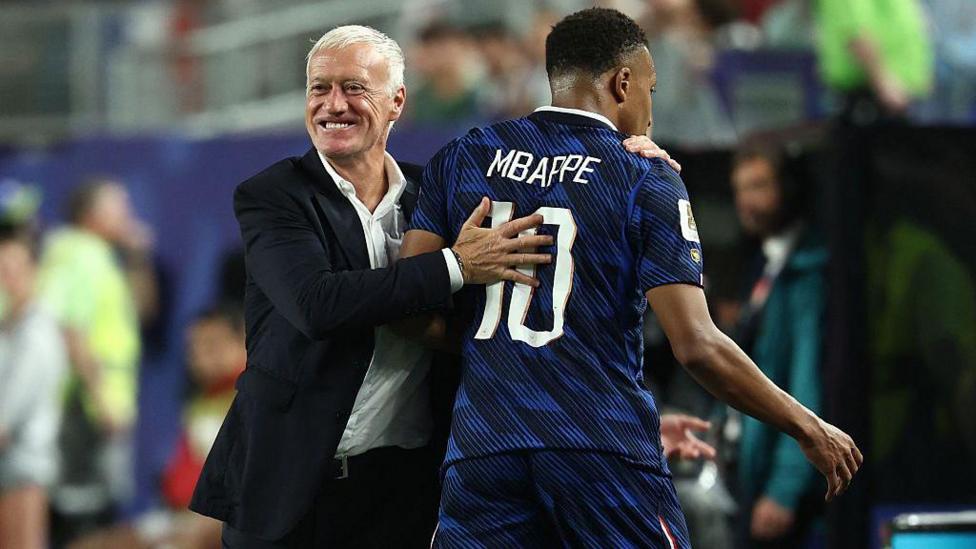
Deschamps' Balancing Act: How Bravery Unlocks France's Golden Generation
Didier Deschamps manages egos, superstars, and tactical evolution as France chase World Cup redemption after the heartbreak of 2022.