Beyond the Pitch: Gakpo's Grief and Football's Human Reality
Cody Gakpo and partner Noa van der Bij announce the loss of their unborn son, reminding football that life extends far beyond the game.
When the Spotlight Doesn't Matter
There is a moment in every footballer's life when the roar of 60,000 fades to nothing. When the net doesn't matter. When the badge on the shirt means less than the people waiting at home. For Cody Gakpo, that moment arrived this week with a weight no training session, no tactical briefing, no Champions League night could prepare him for.
Noa van der Bij, Gakpo's partner, announced publicly that the couple have lost their unborn son. The Dutch forward, who has represented Liverpool and the Netherlands with distinction since bursting onto the European stage, has asked for privacy during what is the most devastating chapter of his life away from football.
"We kindly ask for respect and privacy during this incredibly difficult time."
No words of analysis can soften that. No tactical breakdown matters here. But there is something worth saying about the world in which Gakpo exists, the one that demands everything from young men and then expects them to perform on camera as though nothing has changed.
The Weight Behind the Shirt
Gakpo is 25 years old. He arrived at Liverpool from PSV Eindhoven in January 2023, a move that represented the culmination of a meteoric rise through Dutch football. He was the jewel of the Eredivisie, a versatile attacker who could play across the front line, the man PSV built their ambitions around, the player Louis van Gaal trusted at the 2022 World Cup in Qatar.
At Anfield, his transition was not seamless. Adapting to the Premier League's intensity, finding his role in a squad reshaping itself under new management, dealing with the pressure of a reported £37 million fee. These are the standard narratives. The ones that fill columns and podcasts and halftime discussions.
None of them account for what is happening now.
What makes this moment so jarring is the timing. Gakpo has been finding his footing at Liverpool with increasing authority. His movement has sharpened. His confidence in the final third has grown visibly. There is a version of this season where Gakpo's personal trajectory and professional trajectory move in harmony, where the best football of his career coincides with the happiest chapter of his life.
That version has been shattered.
Football's Awkward Relationship With Grief
The sport has never handled personal tragedy well. It is an industry built on relentless scheduling, on the assumption that bodies and minds will simply keep producing. Matches come every three to four days. Training resumes the morning after. Media obligations don't pause for funeral arrangements.
Liverpool, to their credit, have historically shown more empathy than most institutions in elite football. The club supported Luis Díaz through the kidnapping ordeal involving his parents in Colombia. They wrapped their arms around Diogo Jota through personal difficulties. The city itself carries a cultural understanding of collective grief that few footballing communities can match.
The question is never whether a club will issue a statement of support. The question is whether the infrastructure around a grieving player genuinely allows him space to grieve, or whether the machine simply adjusts its schedule and waits.
The Netherlands national team will face a similar calculation. Gakpo has been a central figure in their plans, a player Ronald Koeman has relied on in qualifying campaigns and tournament football. Whether he features in upcoming international fixtures is a decision that should belong entirely to Gakpo and his family, but history suggests that pressure will quietly build regardless.
What Other Athletes Have Shown Us
This is not the first time a footballer has navigated parenthood's darkest reality under public scrutiny. The conversation has expanded in recent years, slowly, imperfectly, but it has expanded.
Sergio Agüero spoke about the emotional toll of separation from his son during his playing career. Andros Townsend has been vocal about mental health struggles following personal loss. Ben Chilwell and others have used social media to share grief, though the responses to such openness remain mixed.
What has shifted is the willingness of footballers' partners to speak on their own terms. Van der Bij's announcement was made with dignity and clarity. No club intermediary, no carefully worded PR statement sanitized beyond recognition. A person sharing the most painful truth of her life and asking simply to be left alone.
The Liverpool Dimension
From a purely football perspective, Gakpo's absence or diminished state creates questions that Liverpool's coaching staff will need to answer. He has been used as a central forward, a left winger, and even in deeper creative roles during his time at the club. His versatility is one of the qualities that made him such an attractive signing.
Arne Slot, the current Liverpool manager who knows the Dutch football ecosystem intimately, will understand better than most what Gakpo is going through. The cultural context matters. The Dutch football world is smaller, tighter. Slot managed in the Eredivisie. He has watched Gakpo's development from closer range than almost anyone in the Liverpool setup.
That understanding could prove invaluable. Not as a tactical tool, not as a way to extract performance from a grieving player, but as a genuine human connection.
Liverpool's squad depth in attacking positions offers some buffer. Mohamed Salah, Luis Díaz, Darwin Núñez, and Diogo Jota provide genuine competition and rotation options. The club does not need to rush Gakpo back into contention for any fixture. There is no match on earth that outweighs what he and Van der Bij are living through.
Beyond the Scoreline
There is a broader conversation embedded here that football continues to approach with caution. The sport's culture of stoicism, the idea that professionals must compartmentalize grief and perform regardless, is slowly being challenged but remains deeply embedded.
Young players in particular face unique pressures. Gakpo is at an age where many of his peers are starting families, navigating the gap between personal milestones and professional demands. When that gap becomes a void, the support structures around athletes matter enormously.
Liverpool's player welfare department, the Professional Footballers' Association, the KNVB's own support systems. These institutions exist. Whether they function with the sensitivity and patience that grief actually requires is a question worth asking, even if the answers are uncomfortable.
The test of a football club is not how it celebrates a player's goals. It is how it behaves when a player cannot even think about football.
What Comes Next
Gakpo will return when he is ready. There is no timeline for grief, no rehabilitation protocol, no medical staff clearing him for full training on a specific date. He will walk back onto a pitch when the world makes sense again, or at least when it makes enough sense to chase a ball.
In the meantime, the football world's obligation is simple: respect the boundary that has been drawn. Noa van der Bij asked for privacy. Cody Gakpo asked for privacy. The least the sport can do is honor that request without turning their tragedy into content.
The goals will come again. The assists, the runs behind the defensive line, the celebrations at the Kop End. All of it will return. But some things exist beyond the reach of football, beyond the commentary, beyond the transfer valuations and the tactical assessments.
A family is grieving. The sport can wait.
Editorial Integrity
This is an original SportPulse article written by our editorial team. All content is independently researched, written, and reviewed by our writers and editors before publication. We do not publish copied, aggregated, or syndicated content.
SportPulse is committed to original sports journalism. Read our editorial policy or contact us with any questions.
More Like This
All football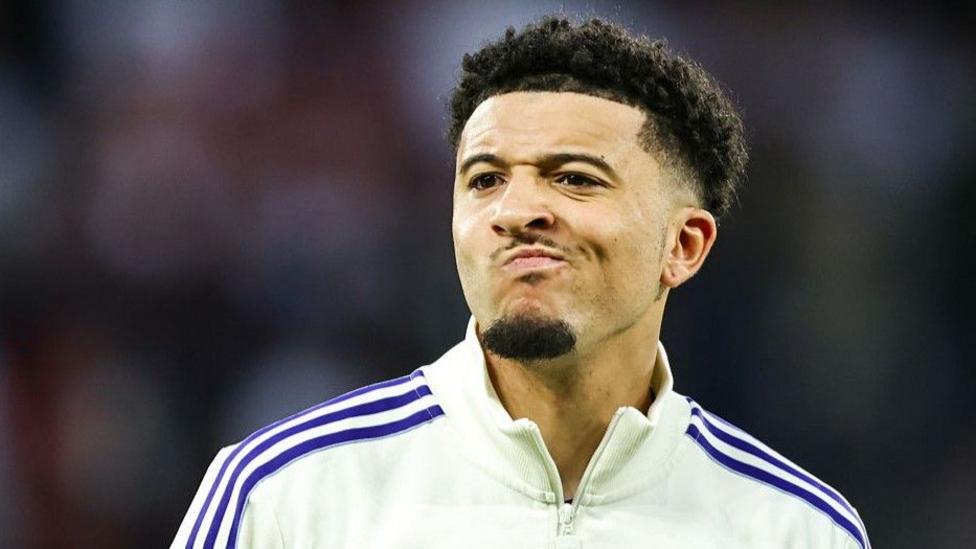
Sancho's £73M Man Utd Dream Ends in Bitter Exile and What-Ifs
Jadon Sancho exits Manchester United without a Premier League appearance in nearly three years — a cautionary transfer tale.
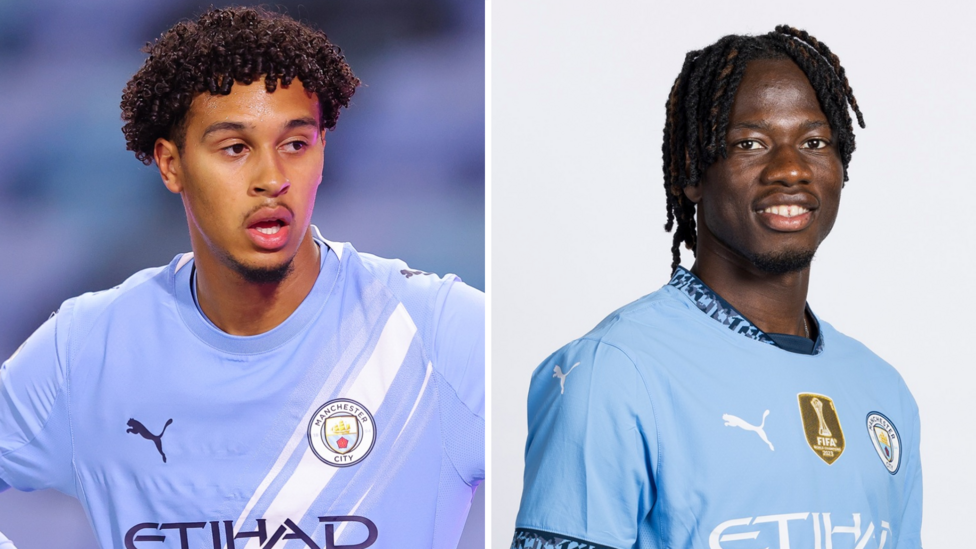
Inside Man City's Loans Exhibition Day: The Transfer Market's Hidden Engine
Manchester City opened its training ground to clubs worldwide, turning loan management into a calculated art form.
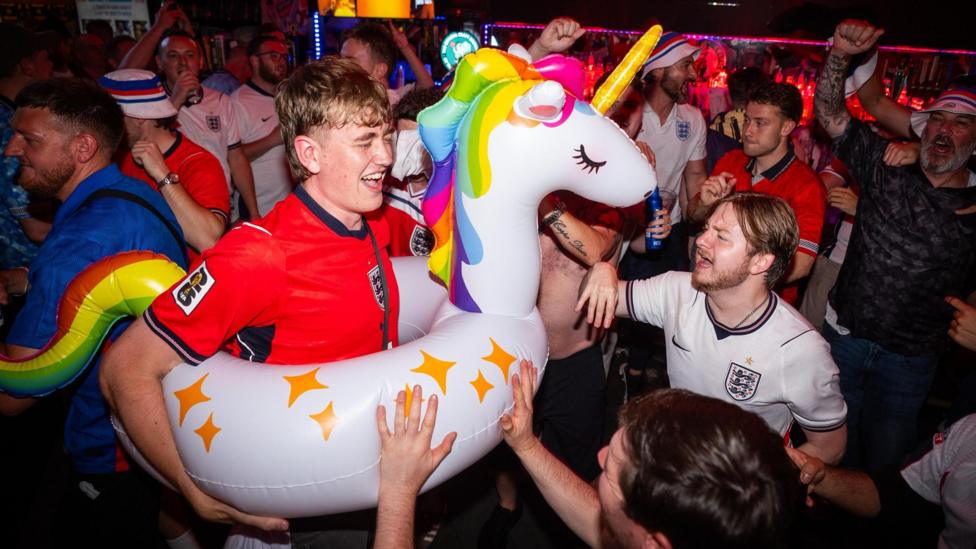
Can England Fans Match Scotland's Boston Charm Offensive?
After Scotland's Tartan Army charmed Boston, England supporters face pressure to shed their toxic reputation and win over the city.