Delhi 2030 Opens Door for Cricket, Shooting, and Archery Comeback
India's 2030 Commonwealth Games bid signals a likely return for three sports historically sidelined by the programme.
A Familiar Stage Beckons
Cricket, archery, and shooting stand well placed to regain their Commonwealth Games status when India hosts the 2030 edition.
For India, the alignment is near-perfect. All three disciplines sit deep within the country's sporting identity. Shooting has historically delivered India's richest medal haul at the Games. Archery carries strong cultural weight and a credible competitive pipeline. Cricket, meanwhile, barely needs explaining in a nation where the sport functions as a civic religion.
Cricket, archery and shooting are among the sports well placed to regain their spot at the Commonwealth Games in India in 2030.
The framing matters. The word "regain" carries the weight of omission. None of these sports currently feature on the core Commonwealth Games programme, and each has a distinct history of exclusion.
Why These Sports Were Sidelined
Shooting has been the most contentious absence. India dominated the discipline across multiple Games cycles, and the decision to drop it from the 2022 Birmingham edition stung deeply. Indian officials argued that removing their most productive medal source disproportionately penalised their delegation. The stance carried both statistical merit and political charge.
Archery has drifted in and out of the programme with inconsistent frequency. A medal-rich nation in the discipline, India have long considered its absence a self-evident problem.
Cricket last appeared in a full-squad format at the 1998 Kuala Lumpur Games. Since then, scheduling conflicts, board reluctance, and format disputes have kept it off the roster despite the sport's undisputed popularity across the Commonwealth.
What 2030 Changes
India hosting the Games reframes the power balance around programme selection. Host nations wield significant influence over which optional sports make the final cut. When the host is India, the commercial and cultural logic for including cricket, archery, and shooting becomes overwhelming rather than negotiable.
For the Commonwealth Games Federation, the calculation is pragmatic. The federation needs a compelling host with credible venues and domestic audience engagement. India offers all three in surplus, particularly if cricket returns as a medal event. The broadcast and sponsorship uplift from a national-team cricket tournament at the Games would substantially outstrip the headline value of athletics or swimming in that market.
The Medal Table Implications
India's strategic interest is transparent. Reinstating shooting alone could shift their medals-per-Games average by a notable margin given their historical strength in the sport.
A combined return of shooting, archery, and cricket would fundamentally alter the competitive distribution across the entire Games. India would project as a top-three nation with convincing mathematical grounding, likely challenging Australia and England in the standings rather than trailing comfortably behind them.
For smaller Commonwealth nations, the impact cuts both ways. Shooting and archery offer genuine depth, with nations such as Malaysia, Singapore, and New Zealand maintaining credible programmes. Cricket introduces a different problem entirely: the gap between full-member nations and associate sides risks being brutally exposed in a short-format tournament.
Cricket's Format Question
The last attempt at cricket in the Commonwealth Games was a 50-over format at Kuala Lumpur in 1998. A return in 2030 would almost certainly arrive as T20, reflecting the contemporary reality of the sport's shortest international format.
That raises a familiar tension. The International Cricket Council would need to block out a window free of bilateral commitments. Top-tier国家的 cricket boards would need to release their contracted players. A condensed tournament over roughly 10 to 14 days, fielding perhaps eight teams, would need to fit alongside an already saturated global calendar.
These are the same obstacles that kept cricket out for 25 years. What differs in 2030 is a host nation prepared to exert direct leverage to make it happen.
The Broader Read
The Commonwealth Games has spent the last decade grappling with relevance. Hosts.have withdrawn. Cities have balked at cost. The federation has restructured its approach to reduce burden on future bidders.
When Victoria walked away from the 2026 hosting rights, the event's viability faced sharp public scrutiny.
India stepping forward for 2030 provides a foundational anchor host and a programme narrative built around sports that resonate locally. Cricket fills stadiums. Archery draws a passionate sub-continental audience. Shooting pads the medals table in India's favour and restores equity after Birmingham.
The confirmation process will require formal programme ratification. That typically follows host-city selection and involves federation voting. But the political momentum is clear, and the host's intent is explicit.
Three sports are heading back to the Commonwealth Games. The only remaining question is how quickly the paperwork catches up to the decision that has already been made in practical terms.
Timeline Pressure
India's 2030 hosting arrangement carries a compressed preparation window. A host city or cities must be confirmed. Venues for archery and shooting require either construction or significant renovation. Cricket needs scheduling alignment with the ICC's Future Tours Programme, an annual bilateral calendar agreed across member boards.
The ICC's next FTP cycle currently runs through 2027, with the subsequent cycle being negotiated. A cricket tournament at the 2030 Games would need its window locked into that next agreement, giving the organisers roughly four years to finalise participation terms.
Shooting faces a simpler logistical path. India maintains world-class ranges already used on the international circuit. Archery venues exist in multiple Indian cities. cricket's needs are limited to existing international-grade stadiums, of which India has dozens.
The infrastructure gap is not the issue. The political and commercial agreements are. With India holding the host's leverage, those agreements now look probable rather than aspirational.
Editorial Integrity
This is an original SportPulse article written by our editorial team. All content is independently researched, written, and reviewed by our writers and editors before publication. We do not publish copied, aggregated, or syndicated content.
SportPulse is committed to original sports journalism. Read our editorial policy or contact us with any questions.
More Like This
All long-reads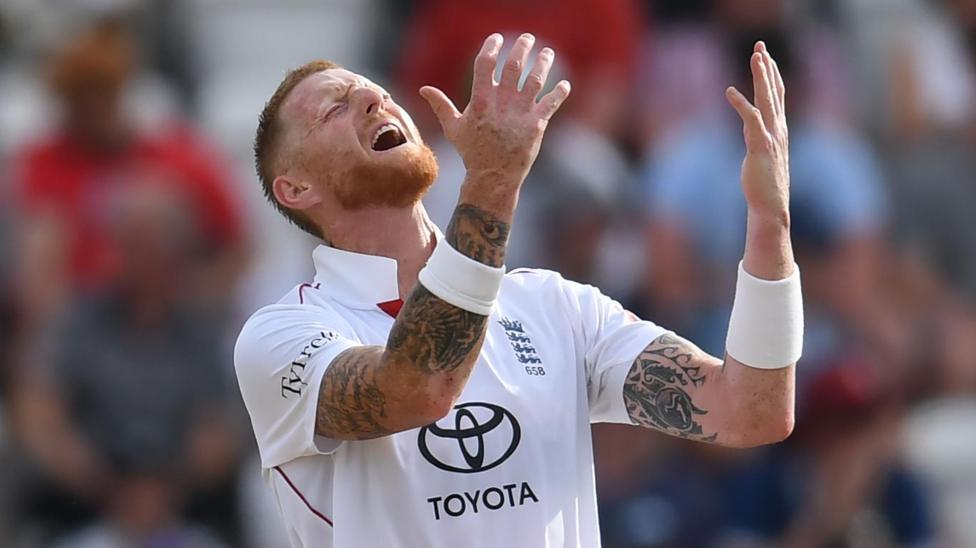
England Teetering at Trent Bridge as Test Decider Hangs by a Thread
A volatile third day at Trent Bridge leaves England staring down a series-defining collapse — and management in the crosshairs.
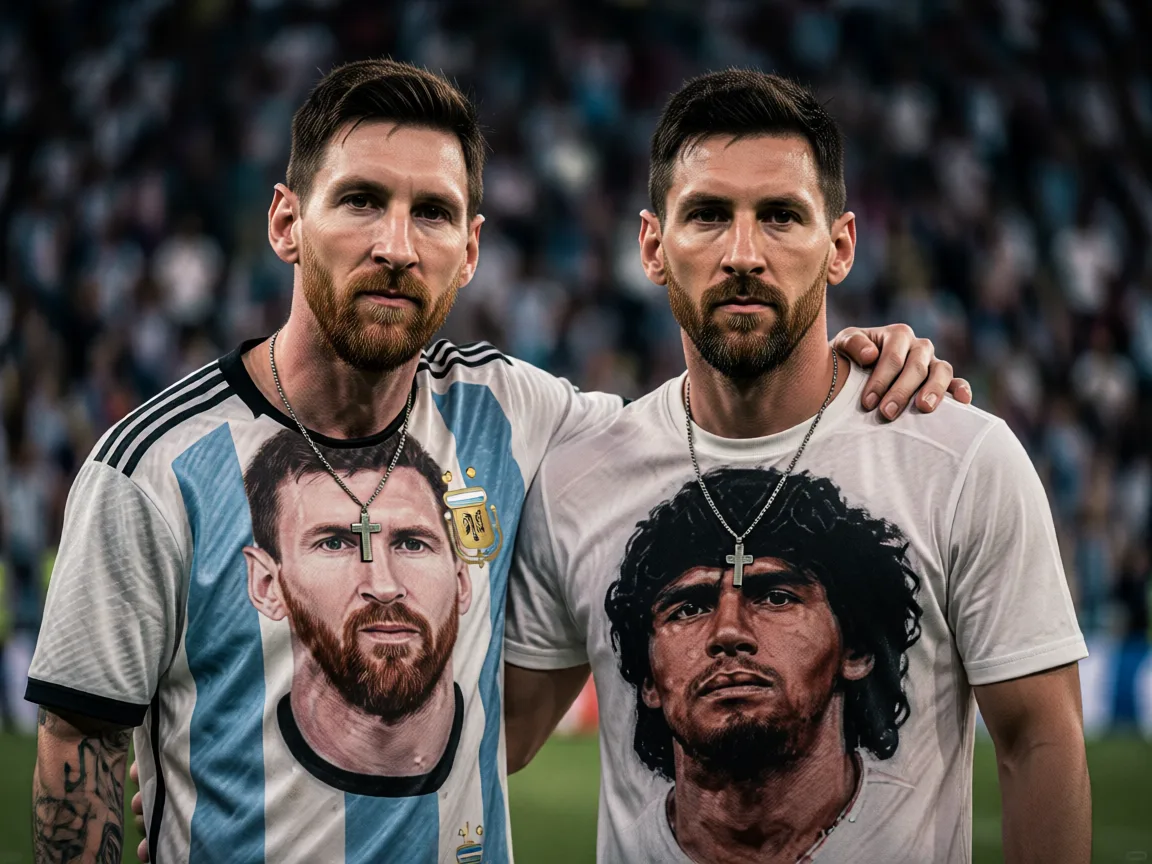
More Than a Game: Argentina-England and the Ghosts of Football Past
Argentina's dressing-room chants invoking Malvinas and Maradona prove this fixture remains football's most politically charged rivalry.

How Mayor Mamdani Made New York the World Cup's Unexpected Capital
Zohran Mamdani's transport and fan zone policies have turned New York into an improbable World Cup haven, capping a staggering sporting summer.