Cordina's American Dream Derailed: Visa Denial Knocks Welsh Star Off Mason Fight
A US embassy visa rejection has torpedoed Joe Cordina's scheduled Stateside bout against Mason, raising serious questions.
A Bureaucratic Knockout No One Saw Coming
Joe Cordina has built a career on precision timing and devastating power. He's dropped world champions, reclaimed titles, and made Cardiff roar on nights when the boxing world was watching. But none of that mattered when he walked into the United States embassy in London looking for a visa stamp. The Welshman confirmed on social media that his application was denied, effectively pulling him from his scheduled fight against Mason on American soil. No injury. No weight miss. No failed drug test. Just a rubber stamp and a rejection letter.
It is a jarring reminder that for all the glamour of professional boxing, the sport's athletes remain at the mercy of forces entirely outside the ring. A fighter can control his training camp, his nutrition, his sparring partners, and his game plan. He cannot control a consular officer's decision on a Tuesday morning.
The Rise and Resilience of Joe Cordina
To understand why this stings so badly, you need to appreciate where Cordina stands in the sport's hierarchy. The 32-year-old from Cardiff is a former IBF super-featherweight world champion, having first claimed the belt with a devastating second-round knockout of Kenichi Ogawa in June 2022 in Cardiff. That performance announced him as one of the most explosive talents in the 130-pound division, a slick southpaw with genuine concussive power in both hands.
His reign was brief and turbulent. Cordina was stripped of the title due to injury, then saw it go to Shavkatdzhon Rakhimov. What followed was one of the most emotionally charged rivalries in recent super-featherweight history. Cordina lost a razor-thin split decision to Rakhimov, then stormed back to reclaim the belt in a rematch with a performance that showcased his tactical maturity and ring IQ. He has since defended successfully, building a professional record that speaks for itself.
Every fight at this level matters enormously for positioning. Cordina is not a young prospect with time to burn. He is a champion in his prime, navigating a division stacked with dangerous operators. Missed opportunities are not just inconvenient. They are costly in ways that compound over time.
What the Visa Denial Actually Means
Let's be direct about the stakes here. A fight in the United States against a credible opponent represents more than just another bout on Cordina's record. It is a gateway to the American market, the deepest revenue pool in global boxing. Fighting on US soil, particularly on a card with major platform exposure, can transform a champion's earning trajectory overnight.
The specifics of why Cordina's visa was rejected remain unclear. He stated only that the US embassy in London turned down his application, without elaborating on the grounds. US visa denials for professional athletes can stem from a range of administrative issues, including incomplete documentation, prior travel irregularities, or broader immigration policy considerations. Without Cordina or his team disclosing further details, speculation would be irresponsible.
What is not speculative is the damage. Fight camps are expensive. A typical preparation for a world-level bout runs six to eight weeks, involving specialist coaches, sparring partners flown in from across the globe, nutritionists, and medical staff. That investment is now sunk cost with no return.
The Business of Boxing Behind Closed Doors
Promoters and managers spend months negotiating fight terms, venue logistics, broadcast fees, and undercard placement. When a visa denial surfaces days or weeks before fight night, the fallout cascades. The opponent loses their payday. The venue loses a marquee attraction. Broadcasters scramble to restructure their programming. Everyone absorbs a loss.
For Cordina specifically, the reputational hit is subtler but real. Boxing is a sport built on momentum and narrative. He has been on a trajectory toward unification talks and mega-fights at super-featherweight. Every cancelled bout introduces doubt into that narrative. Matchmakers and sanctioning bodies have short memories and long lists of alternatives.
A Pattern That Haunts UK Fighters
Cordina is far from the first British or Welsh boxer to encounter American visa headaches. The history of UK fighters being delayed, denied, or otherwise disrupted by US immigration processes is long and well-documented. Naseem Hamed famously had travel complications during the later stages of his career. Amir Khan navigated visa issues on multiple occasions. More recently, several British fighters on undercards have reported delays and denials that threatened scheduled bouts.
The structural problem is straightforward. Boxing's biggest market is the United States. Boxing's deepest talent pool in the lighter weight classes spans the United Kingdom, Eastern Europe, and Asia. Those two realities collide at US embassy visa windows, and the athletes have virtually no recourse when things go wrong.
"It is a systemic issue that the sport's governing bodies have never adequately addressed. Fighters are independent contractors. There is no league office, no players' association, no institutional backstop when a visa gets denied." — Boxing industry perspective
Some promoters have attempted to secure blanket travel arrangements or work with specialized immigration attorneys to pre-clear fighters for US entry. These efforts have produced mixed results. The fundamental reality remains that individual visa applications are judged on their own merits, and the decision-making process is opaque.
What Could Have Been
The Mason fight represented a specific strategic opportunity for Cordina. Without disclosing details that aren't in the public domain, a win would have kept him firmly in the conversation for the biggest fights available at 130 pounds. The super-featherweight division is currently one of boxing's most compelling weight classes, with champions and contenders across multiple sanctioning bodies producing a dense web of potential matchups.
Every month of inactivity at this level is a month where younger fighters establish themselves, where promotional alignments shift, and where the window for a career-defining payday narrows. Cordina knows this. His team knows this. Which is why the frustration is palpable.
The Verdict
This is a gut punch for Cordina, delivered not by an opponent but by a bureaucratic process he had no ability to game-plan for. The immediate concern is rescheduling. His team will need to either secure a new US visa through an appeal or fresh application, pivot to staging the fight on UK or European soil, or find an entirely new opponent for a different date. None of those options are simple. All of them cost time and money.
The broader takeaway is uncomfortable. Professional boxing remains a sport where world-class athletes can have their careers disrupted by decisions made in windowless rooms by people who have never watched a round of their work. Until the sport's power brokers invest in systematic solutions to recurring travel and immigration issues, stories like Cordina's will keep surfacing.
What Comes Next
Cordina's immediate focus will shift to damage control and repositioning. His team will explore every avenue to get him back in the ring as soon as possible, whether that means reapplying for the visa, negotiating a European alternative venue, or lining up a different opponent entirely.
The Welsh champion has shown throughout his career that he responds to adversity with ferocity. After losing to Rakhimov, he rebuilt and reclaimed. After being stripped of his first title, he fought his way back. A visa denial is a different kind of setback, one that no amount of pad work in the gym can fix. But if there is one thing Cordina has proven, it is that he does not stay down for long.
The boxing world will be watching closely to see where and when the next chapter of his career begins.
Editorial Integrity
This is an original SportPulse article written by our editorial team. All content is independently researched, written, and reviewed by our writers and editors before publication. We do not publish copied, aggregated, or syndicated content.
SportPulse is committed to original sports journalism. Read our editorial policy or contact us with any questions.
More Like This
All long-reads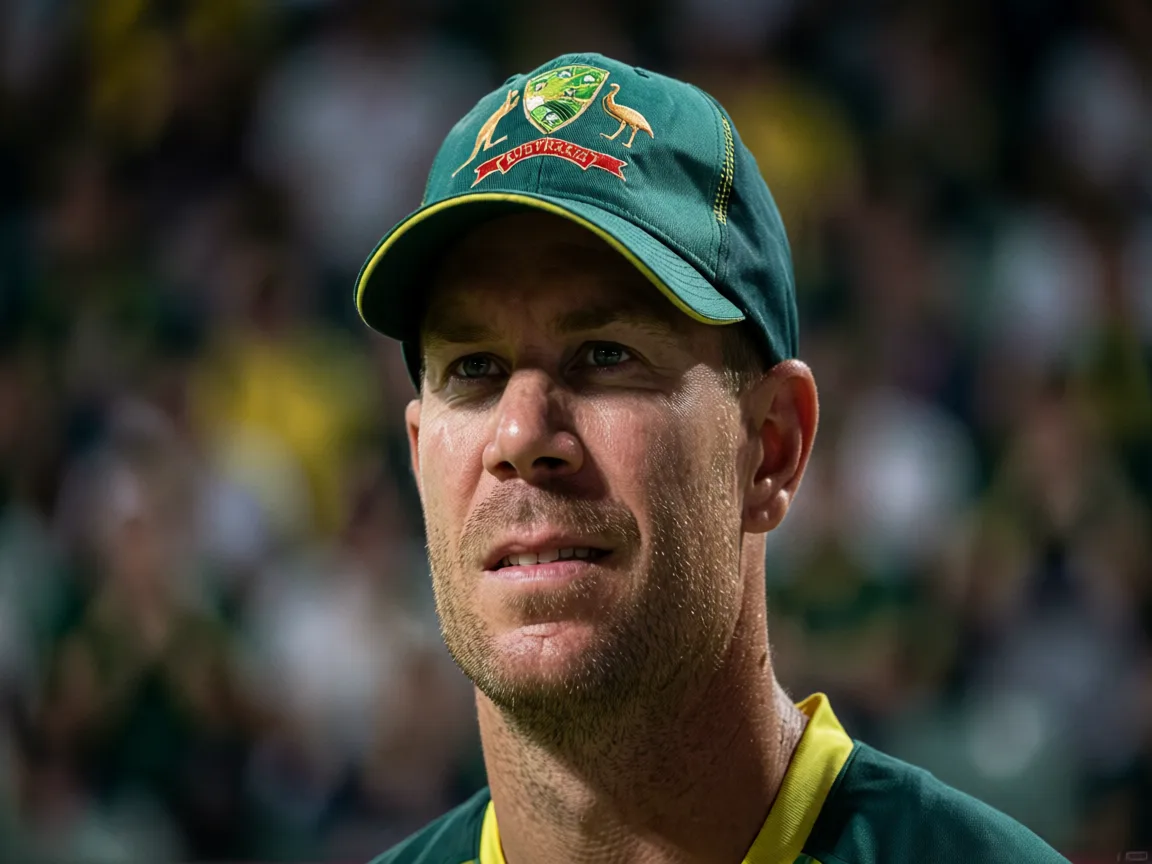
Warner Pleads Guilty to Drink Driving Charge in Sydney
Former Australia opener David Warner has pleaded guilty after failing a random breath test in Sydney earlier this year.
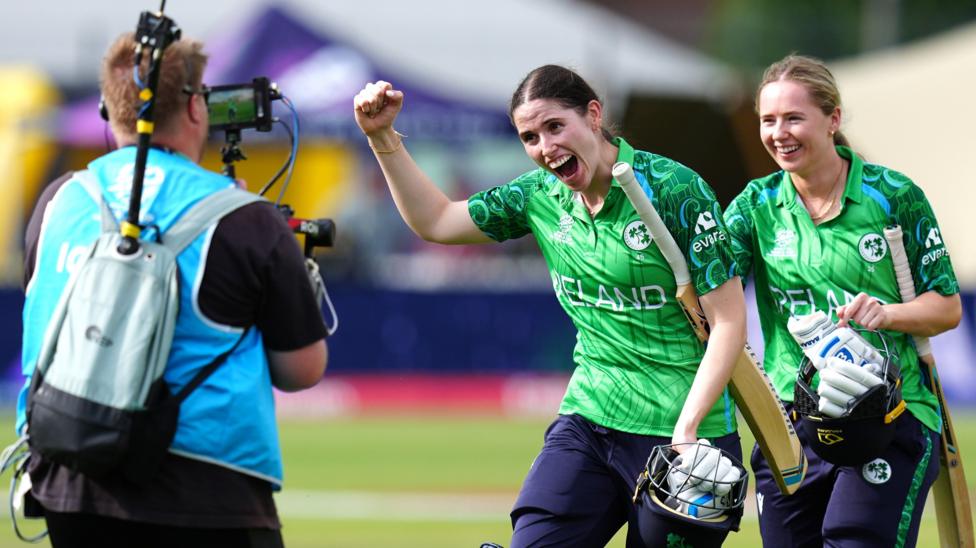
Prendergast's Masterclass Delivers Ireland's Maiden T20 World Cup Win
Orla Prendergast's brilliant 63 powered Ireland to a historic first-ever T20 World Cup victory, hammering West Indies' semi-final hopes in the process.
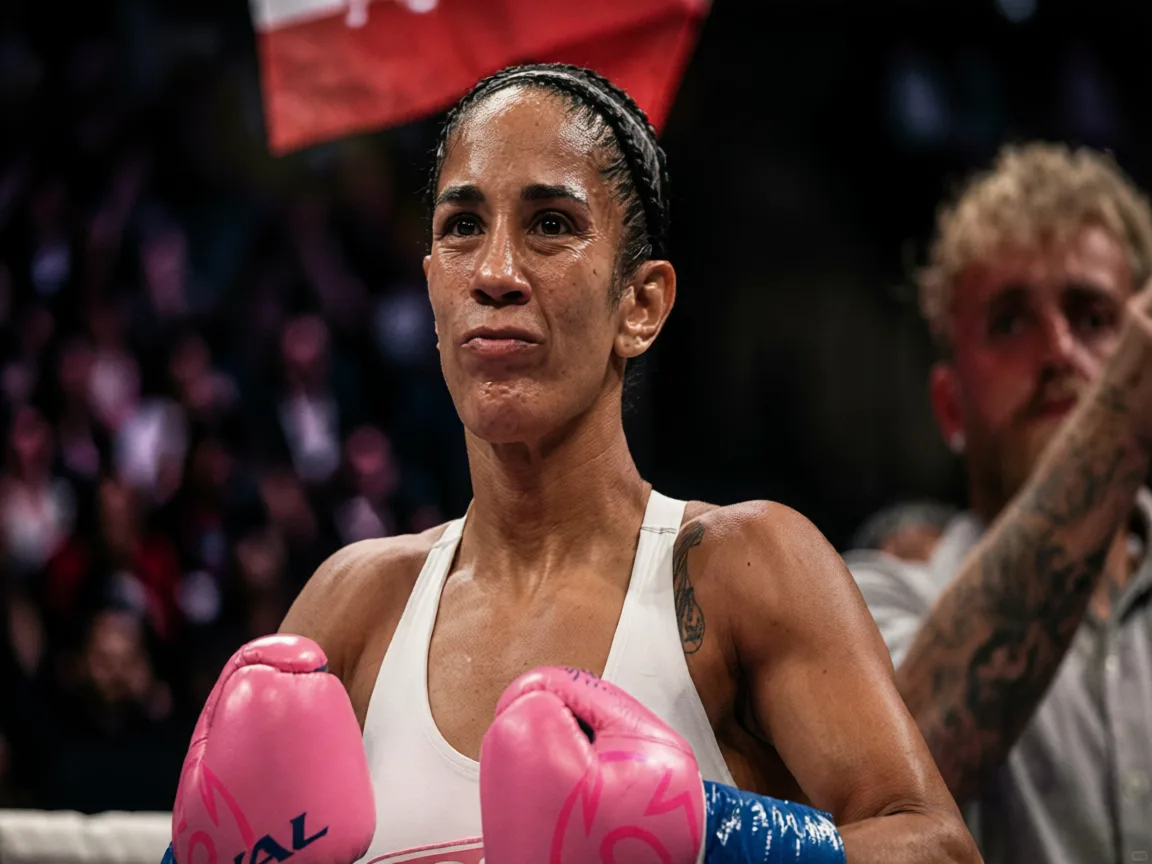
Serrano Chases Boxing Immortality Against Manzur
Amanda Serrano aims to break the all-time women's knockout record when she defends her unified crown against Lucrecia Manzur.