The Cost of a Super-Sized, Politicised World Cup
Away from the pitch, the 2026 tournament’s expansion and political baggage threaten to overshadow the football.

The Expansion Gamble
The decision to blow the World Cup up to 48 teams from 2026 was sold as democratisation. More nations, more global reach, more television money. But the super-sized format comes with a steep price tag: diluted quality, punishing travel schedules, and an opening round that threatens competitive integrity with 16 groups of three.
Travel distances in the joint USA-Canada-Mexico hosting stretch to over 5,500 kilometres between some venues. Group-stage matches played days apart could see teams crisscrossing the continent, with performance levels inevitably compromised.
By the Numbers
- 104 matches total, up from 64 in Qatar 2022
- 48 nations from every confederation, a 50% increase
- 16 host cities across three countries, requiring unprecedented logistics
- Estimated carbon footprint increase of 35-40% compared to a compact single-nation event
Political Flashpoints
Away from the pitch, the 2026 edition is already mired in controversy. FIFA’s decision to award the tournament to three nations – a transparent attempt to seal the North American television market – has been criticised as a corporate carve-up.
Human rights groups have flagged concerns over the U.S. visa policies, potential border policing during the tournament, and the lack of binding commitments on workers’ protections. The spectre of fan detention centres and racial profiling looms large, undermining FIFA’s hollow pledges on social responsibility.
“Away from the on-field spectacle, this super-sized World Cup could be among the most contentious ever.”
The New FIFA Playbook
- Bidding processes now locked behind closed doors
- Host nations required to sign government guarantees that erode local laws
- FIFA’s tax-exempt status in host countries costs billions in lost revenue for public services
The Spectacle and the Stain
There’s no denying the on-field product will deliver magic. Lionel Messi may bow out on the global stage, Kylian Mbappé at his peak, and new storylines will emerge. But the tournament’s moral compromises could define it more than any goal.
This super-sized World Cup promises to be the most contentious ever – not because of what happens between the white lines, but because of everything built around them. The cost is no longer just financial; it’s ethical, environmental, and political. And the world is watching.
Editorial Integrity
This is an original SportPulse article written by our editorial team. All content is independently researched, written, and reviewed by our writers and editors before publication. We do not publish copied, aggregated, or syndicated content.
SportPulse is committed to original sports journalism. Read our editorial policy or contact us with any questions.
More Like This
All Football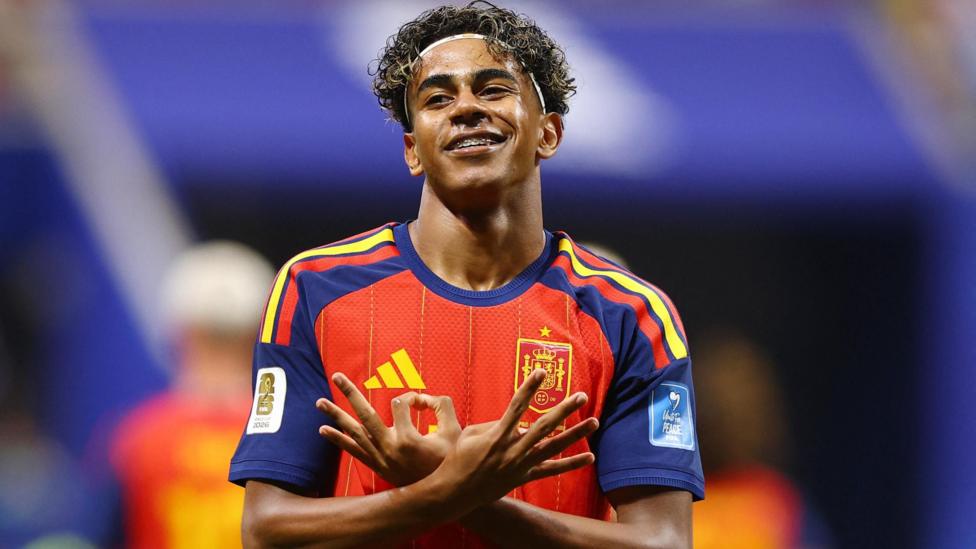
Spain's Pulse Returns: Why Yamal Already Owns This World Cup
An 18-year-old prodigy didn't just enhance Spain; he fundamentally rewired their attacking identity in a single performance.
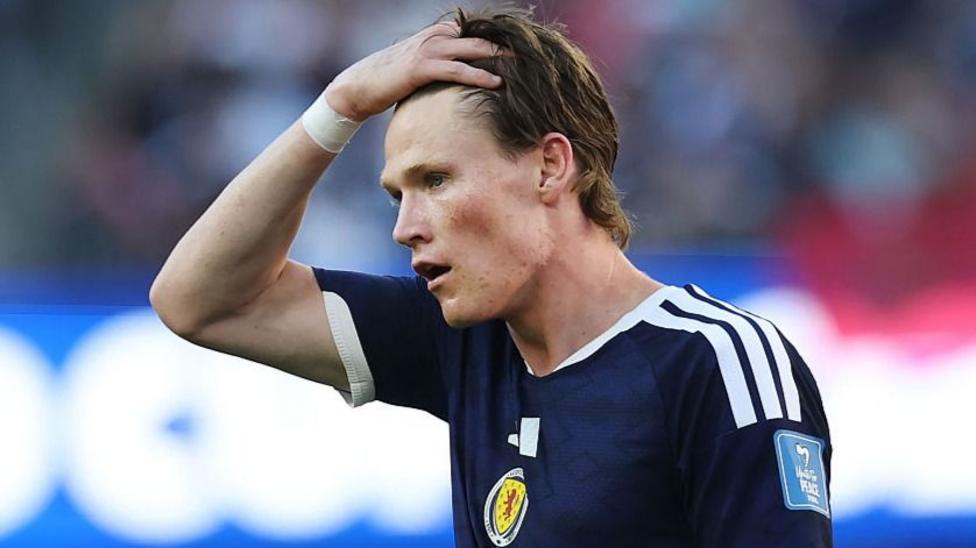
Scotland on the Brink: Does Losing to Brazil Even Matter?
When a potential defeat can still deliver a World Cup group stage berth, Scottish football's calculus warps entirely.

Sunderland Stun Chelsea to End 53-Year European Exile
Sunderland defeated Chelsea to secure Europa League qualification for the first time in 53 years, ending a historic drought.