Brisbane's Cauldron: Crocker's Title Faces the Fire in Paro's Hometown
A champion walks into the challenger's living room, where legacy and a world title hang in the balance.
The Walk Into the Lion's Den
There's a particular kind of courage required for a champion to travel halfway across the world, not for a vacation, but to defend his crown in his opponent's backyard. Lewis Crocker doesn't just understand this calculus; he's leaning into it. This Wednesday, in the electric, beer-soaked atmosphere of Brisbane's Nissan Arena, the IBF welterweight king will stand across the ring from Liam Paro, the pride of Queensland. The belt on the line isn't the only thing at stake. For Crocker, it's a chance to etch his name into the lore of the division with a victory that screams legitimacy. For Paro, it's the culmination of a lifetime's work.
The psychology is as stark as the geography. One man sleeping in his own bed, fueled by the roar of tens of thousands who know his name from childhood. The other, an island in a sea of hostile noise, carrying the weight of a title he must prove was earned, not given. This isn't just a fight; it's a referendum on two different paths to the summit.
Tale of the Tape: More Than Numbers
On paper, this is a collision of technical precision and raw, hometown grit. Lewis Crocker has built his reputation on a suffocating pressure style, walking opponents down behind a high guard before unleashing punishing body shots and short, accurate hooks. His record of 24-0-1 (14 KOs) speaks to a fighter who breaks men down systematically. He's the consummate road warrior, with wins in his opponent's home country in three of his last five fights. The solitary blemish? A technical draw early in his career, a ghost he's long since exorcised.
Liam Paro, meanwhile, is the definition of a hometown hero. With a near-identical record of 24-1-0 (15 KOs), his only defeat came in his sole venture outside of Australia, a competitive points loss on foreign soil. Since that setback, he's been untouchable in Brisbane, stopping his last three opponents at home. His style is more fluid, relying on sharp counters, excellent footwork, and a crowd-fueled stamina that seems to grow as the rounds progress. He's a master of range, but the question that hangs over him is simple: can his technical gifts withstand the unyielding pressure of a world champion who has already tasted international fire?
"I've taken his best punch in the gym. I've faced his power. It's nothing new." — A camp source close to Liam Paro, speaking to SportPulse, hints at supreme confidence in the challenger's preparation.
Behind the Fight: The Business of Belts and Bravado
Transfer Intel: The Real Stakes
Forget the sanctioning fees for a moment. This fight is a calculated gamble by both fighters and their promotions. For Matchroom Boxing, representing Crocker, this is a high-risk, high-reward play. A win on enemy soil elevates Crocker from a solid champion to a pound-for-pound headliner, unlocking super-fights in Las Vegas or Saudi Arabia. For Paro and his team, it's the ultimate investment in his brand. Victory doesn't just win the belt; it transforms him from a regional star into a national sporting icon in Australia, opening doors to mega-events on home soil for years to come.
The financials are structured around that risk. Crocker's purse will be significantly inflated to account for the hostile environment and travel, a common practice in championship boxing. Paro, as the home fighter, will command a larger percentage of the local gate revenue, betting on himself to deliver the upset. In essence, the market is pricing Crocker as the favorite, but the boxing world knows that in a fighter's hometown, the odds can become just noise.
The Unseen Battle: Pressure and Legacy
The true contest may begin long before the first bell. It's in the tunnel walk, where the champion will face a wall of sound he's never experienced. It's in the corner between rounds, where Paro's team must manage the adrenaline surge, and Crocker's corner must refocus a mind battling external chaos. We've seen this script play out before. Think of Kostya Tszyu's ruthless dissection of Ricky Hatton in Manchester, or, conversely, the electric energy that propelled Vasiliy Lomachenko past Jorge Linares in a split-decision war in New York.
Crocker has the blueprint for silencing a crowd: methodical, savage work to the body that sucks the life out of an arena. His jab isn't a range-finder; it's a weapon designed to disrupt rhythm and set up power shots. Paro's path to victory is narrower and more brilliant. He must use lateral movement, make Crocker miss, and make him pay with sharp, scoring counters. He needs to bank early rounds while his legs are fresh and the adrenaline is pumping, creating a deficit the champion must chase.
The X-Factor: Chin and Heart
Every champion's reign eventually boils down to two attributes: the ability to take a punch, and the will to push through fire. We know Crocker's chin is granite. He's never been stopped. But Paro's power at welterweight is legitimate; his left hook has put durable men on the canvas. Conversely, Paro has never faced the kind of relentless, grueling pressure Crocker applies from the opening bell. How he responds when his movement is cut off, when he's forced to fight in a phone booth, will decide everything.
"This is the fight I dreamed about in Queensland backyards. There is no pressure. Only purpose." — Liam Paro, at the final pre-fight press conference.
The Verdict and What Comes Next
This isn't a fight of a thousand jabs. It's a fight of inches and moments. One lapse in concentration, one well-timed combination, one surge of hometown energy could flip the script in an instant. For the global audience tuning in, the question isn't just who wins, but how they win.
A Crocker stoppage would be a statement of dominance, announcing him as a force who can conquer any environment. A Paro upset would send shockwaves through the 147-pound division, creating a new star and instantly mandating a rematch, likely in the UK, that would be one of the hottest tickets in boxing. A close decision either way would fuel debate and set up a sequel that both men's teams already know is a financial goldmine.
One thing is certain: when the bell rings in Brisbane, it won't just be for a world title. It will be for the right to define a legacy, either as a champion who conquered the world, or as the hometown hero who finally brought the gold back to Queensland.
Editorial Integrity
This is an original SportPulse article written by our editorial team. All content is independently researched, written, and reviewed by our writers and editors before publication. We do not publish copied, aggregated, or syndicated content.
SportPulse is committed to original sports journalism. Read our editorial policy or contact us with any questions.
More Like This
All long-reads
Aramco's World Cup Glow Hides a Toxic Texas Reality
Fifa's oil giant sponsor floods Houston with branding while Port Arthur residents breathe the consequences 100 miles away.

How the Inbox Became the New Press Box in Football Coverage
Curated newsletters are reshaping how football fans consume analysis, and the implications run deeper than convenience.
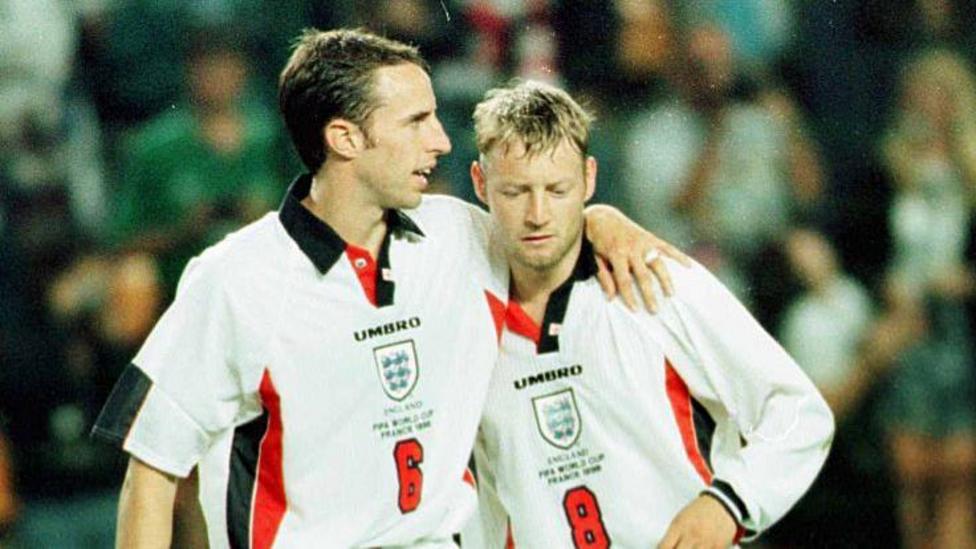
The Man Who Never Apologized: David Batty and the 1998 Penalty
England crashed out to Argentina on penalties in 1998. David Batty missed the decisive kick, shrugged, and walked away. Here is the full story.