Cusack's Struggle: When Personal Love and Professional Football Collide
A former captain reveals how a partner's club move triggered mental health struggles for Cusack, exposing women's football's hidden emotional toll.
The Weight Nobody Saw
There is a particular kind of loneliness that comes from watching someone you love walk toward a different badge. For the footballer known as Cusack, that loneliness became a wound. Her former club captain has now spoken publicly, revealing that when Cusack's girlfriend moved to a rival club, the emotional fallout was severe. It affected her mental health. It affected her football. It affected everything.
This is not a transfer story. This is a human story, and it is one that women's football has been quietly reckoning with for years.
A Game Where Personal and Professional Overlap
Women's football exists in a space that men's football largely does not. The communities are smaller, the squads tighter, the social circles intertwined. It is not uncommon for players to date within the sport. It is not uncommon for those relationships to collide with the brutal logistics of transfers, contract negotiations, and club rivalries.
When a partner moves clubs, it is not simply a matter of adjusting a commute. It can mean shared living spaces split between two training schedules, two tactical systems, two sets of expectations. It can mean watching the person you love celebrate a result that damages your own season. It can mean the quiet, corrosive tension of divided loyalties that nobody in the dressing room fully understands.
For Cusack, according to her former captain, that tension became unmanageable.
"She struggled with it. Really struggled. And I think people need to understand that footballers are human beings first. When something like that happens, it doesn't just stay off the pitch. It follows you everywhere."
The Mental Health Reckoning Women's Football Has Not Fully Had
The conversation around mental health in elite sport has advanced significantly in the past decade. Players like Naomi Osaka, Simone Biles, and Marcus Rashford have helped normalize the discussion. In men's football, figures from Paul Merson to Danny Rose have spoken about depression, anxiety, and the toll of public scrutiny.
But women's football occupies a peculiar blind spot. The spotlight is growing, yet the support infrastructure has not always kept pace. Research published by FIFPRO in 2023 found that female footballers reported higher rates of anxiety and depression than their male counterparts, driven in part by lower salaries, less job security, and the emotional labor of building a sport that still fights for legitimacy.
Cusack's situation adds another layer: the intersection of intimate relationships and professional careers in a sport where the two are deeply entangled.
There is no equivalent men's football parallel that maps neatly onto this. When a Premier League player's partner relocates, the financial cushion and social infrastructure are enormous. Private jets, six-bedroom houses, PR teams to manage the narrative. In women's football, players are more likely to share flats, drive themselves to training, and navigate these emotional upheavals without a fraction of that support.
What Clubs Are Doing (and What They Are Not)
Some clubs have invested in mental health resources. The FA's mental health strategy has expanded in recent seasons, and several WSL and Championship clubs now employ dedicated wellbeing officers. But the reality remains inconsistent. Not every club has a psychologist on staff. Not every squad culture encourages vulnerability.
The former captain's decision to speak publicly about Cusack's struggles is itself significant. In a sport where dressing room loyalty is sacred, breaking that silence suggests the weight of what was witnessed could no longer be carried privately.
"I didn't say this to embarrass anyone. I said it because I think it matters. If one other player hears this and realizes she's not alone, then it was worth saying."
The Girlfriend Factor: A Structural Issue Hiding in Plain Sight
Transfer windows in women's football have a human dimension that rarely makes headlines. The women's game is still small enough that a single move can reshape entire social networks. When one player transfers, it can pull apart friendships, partnerships, and support systems that took years to build.
Clubs pursuing transfers rarely consider the personal lives of the players involved. That is not their job, some would argue. But in a sport where retention of talent is a genuine competitive advantage, the emotional wellbeing of players is not a soft concern. It is a performance variable.
Cusack's form reportedly dipped. Her captain noticed. Her teammates noticed. And the cause, when examined, was not tactical or physical. It was emotional.
This is not a weakness. This is a reality of human existence in a high-performance environment.
Behind the Deal: The Business of Player Wellbeing
The financial implications are worth noting. In women's football, where salaries remain modest compared to the men's game, player contracts are often shorter, transfer fees lower, and squad depth thinner. Losing a key player to mental health decline is not something a club can easily absorb.
Smart clubs are beginning to understand that psychological support is not a cost center. It is a competitive investment. The teams that build robust wellbeing infrastructure will retain players longer, attract better talent, and perform more consistently.
The clubs that ignore it will lose players they cannot afford to lose.
What Happens Next for Cusack
The source material does not specify Cusack's current situation, her club, or the timeline of these events. What is clear is that the revelation from her former captain has opened a conversation that extends far beyond one player and one relationship.
Women's football is growing rapidly. Attendances are rising. Broadcast deals are expanding. Sponsorship money is flowing. But growth without infrastructure is fragile. The sport cannot afford to build stadiums while ignoring the people who play in them.
Cusack's story is a reminder that behind every transfer, every contract, every tactical decision, there are human beings navigating complicated lives. The game owes them more than it currently gives.
A Conversation That Cannot Stop Here
The instinct in football media is to move on quickly. The next match, the next transfer rumor, the next controversy. But Cusack's story demands a slower pace. It demands that clubs, federations, and fans ask uncomfortable questions about the support systems in place for players whose personal and professional lives are inseparable.
The former captain did something brave by speaking. The question now is whether the sport is brave enough to listen.
"Football talks a lot about mental health now. Talking is not enough. Players need actual support, actual resources, actual people they can turn to without fear of it affecting their place in the team."
The women's game is at an inflection point. It can build something that genuinely cares for its participants, or it can replicate the failures of men's football and pretend that money and fame solve everything.
Cusack's struggle suggests the answer should be obvious. Whether the sport acts on it is another matter entirely.
Editorial Integrity
This is an original SportPulse article written by our editorial team. All content is independently researched, written, and reviewed by our writers and editors before publication. We do not publish copied, aggregated, or syndicated content.
SportPulse is committed to original sports journalism. Read our editorial policy or contact us with any questions.
More Like This
All football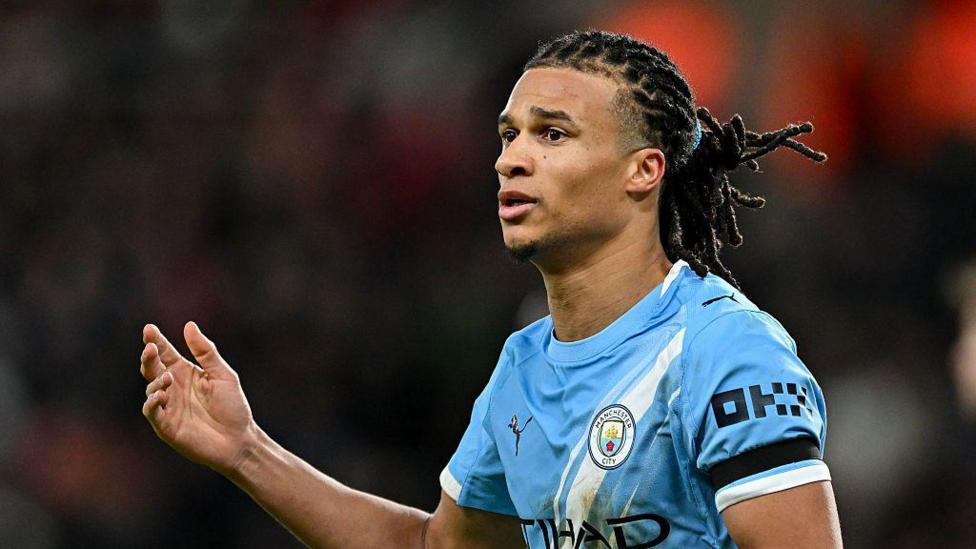
Ake to Fenerbahce: The Brutal Economics of City's Squad Purge
A £7m valuation for a Netherlands international reveals the unforgiving accounting driving Manchester City's summer rebuild.
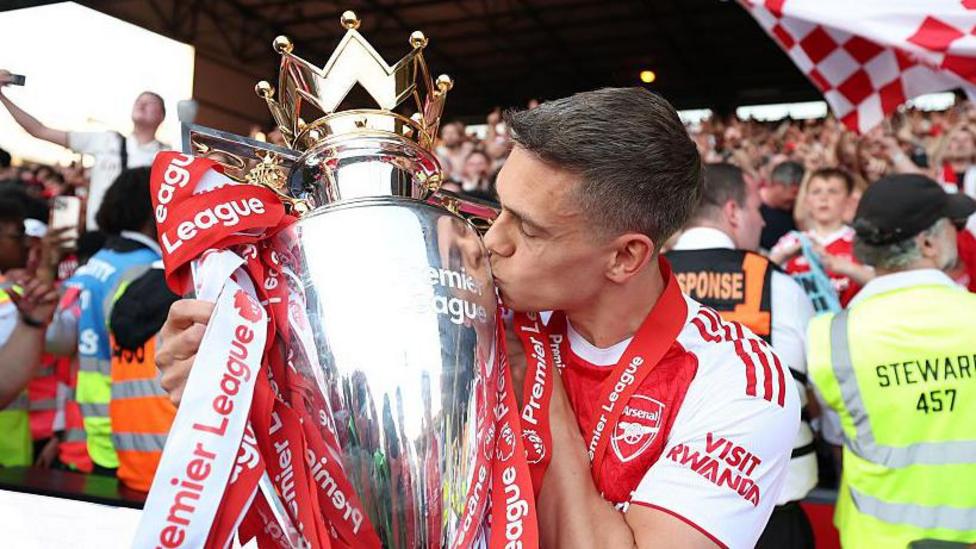
Trossard to Besiktas: Arteta Sacrifices Depth for Arsenal Evolution
Arsenal sanction Trossard's Besiktas move, betting that tactical evolution outweighs keeping a beloved but limited super-sub.
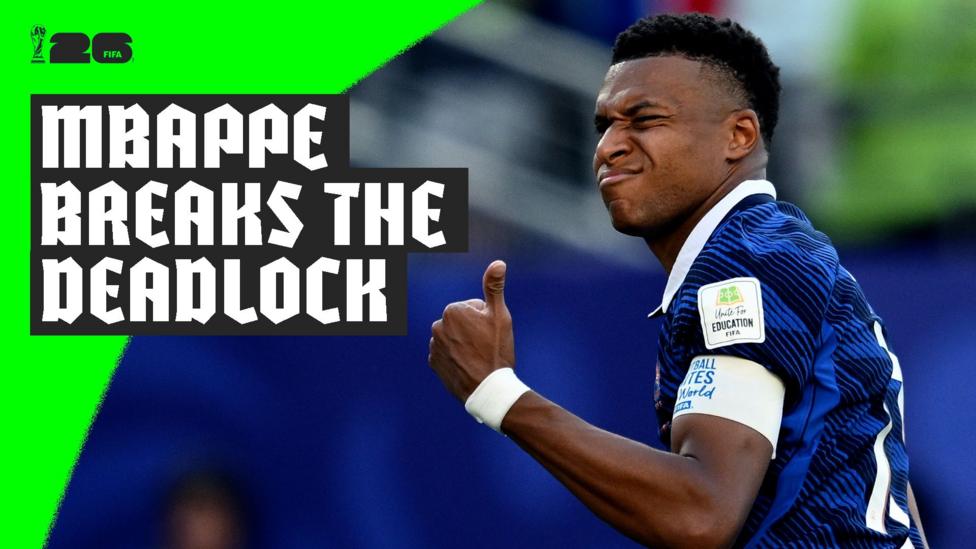
Mbappe Reaches Seven World Cup Goals as France Punish Paraguay
Kylian Mbappe's ice-cold penalty against Paraguay takes him to seven goals at the 2026 World Cup, cementing his status as football's ultimate big-game predator.