Dalic Departs: The End of Croatia's Golden Chapter
Zlatko Dalic steps down after nine transformative years, closing the book on Croatia's greatest footballing era.
The Curtain Falls on a Remarkable Reign
Zlatko Dalic walked away from the Croatia dugout on his own terms, stepping down as head coach after nine years in charge. The timing was neither accidental nor emotional. It came on the back of a World Cup defeat to Portugal, a result that carried the unmistakable weight of finality. For a man who transformed a Balkan nation of roughly four million people into one of football's most consistent tournament performers, there was a certain symmetry to the exit: no drawn-out farewell tour, no boardroom power struggle, just a quiet acknowledgment that the chapter had reached its natural conclusion.
Dalic took over Croatia in October 2017 when the team was in disarray, struggling through a turbulent World Cup qualifying campaign. What followed over the next nine years was arguably the most extraordinary period in Croatian football history, a stretch that redefined what small-nation football could achieve on the global stage.
From Crisis Appointment to World Cup Final
The backstory matters here because it frames the magnitude of what Dalic built. When he arrived, Croatia had a squad brimming with elite talent but plagued by dysfunction. The federation was fractured, results were inconsistent, and the atmosphere around the national team felt toxic. Dalic's first task was simple: qualify for the 2018 World Cup through the playoffs.
He did far more than that. At Russia 2018, Croatia became the tournament's great romantic story. They topped a group containing Argentina, dismantled Denmark and Russia on penalties, and then beat England in the semi-finals through Mario Mandzukic's extra-time winner. The run to the final, where they ultimately fell 4-2 to France, was a masterclass in squad management, tactical flexibility, and collective belief. A nation of 4.1 million people reached the biggest match in football. The achievement was staggering.
Dalic earned FIFA's Best Men's Coach award for 2018, and rightly so. But what made his tenure remarkable was not a single tournament miracle. It was the sustained excellence that followed.
Consistency That Defied Croatia's Resources
Small footballing nations tend to produce one golden generation and then fade. Croatia, under Dalic, refused to follow that pattern. At the 2022 World Cup in Qatar, the team reached the semi-finals again, finishing third after beating Morocco in the playoff. That meant back-to-back top-three finishes at the World Cup, a feat that placed Croatia alongside the sport's traditional powerhouses in terms of tournament pedigree.
The numbers tell the story of a coach who maximized every ounce of talent at his disposal:
- 2018 World Cup: Finalists (runner-up to France)
- 2022 World Cup: Third place
- 2023 Nations League: Finalists (lost to Spain on penalties)
- Three consecutive World Cup qualifications across his tenure
Croatia's midfield axis of Luka Modric, Marcelo Brozovic, and Mateo Kovacic became one of the most respected units in international football. Dalic built his system around their technical superiority, deploying a flexible 4-3-3 that could morph into a compact 4-5-1 without the ball. The tactical structure was never revolutionary, but its execution was nearly flawless in tournament settings where margins are razor-thin.
What the Numbers Say
Dalic's Croatia was defined by its ability to raise performance levels when it mattered most:
- Knockout record at major tournaments: Croatia won seven knockout ties across the 2018 and 2022 World Cups combined
- Extra-time and penalty expertise: The team won three consecutive penalty shootouts at Russia 2018 alone
- Modric's Ballon d'Or (2018): The first player outside Messi-Ronaldo duopoly to win the award since 2007, achieved under Dalic's system
- Nations League 2023: Croatia topped their group and reached the final in what was a statement of sustained competitiveness beyond World Cups
The Bottom Line: Dalic's Croatia never had the deepest squad or the most explosive attackers. What they had was an identity forged in resilience, midfield control, and an almost pathological refusal to accept defeat. That identity was the coach's fingerprint.
The Portugal Defeat and the Weight of Timing
Every managerial reign has a final act, and for Dalic, it came against Portugal in the World Cup. The defeat was not humiliating in isolation, but it arrived at a moment when the broader picture was becoming harder to ignore. Croatia's golden generation was aging. Modric turned 40 in 2025, Brozovic's influence had waned, and the pipeline of young replacements, while promising, had yet to prove they could sustain the standard.
Dalic, to his credit, did not cling to the position. He understood the rhythms of a national team cycle better than most. The post-tournament window is the natural juncture for transition, and leaving now allows the Croatian Football Federation to install a successor with a full qualifying cycle ahead rather than inheriting a squad midstream.
What Dalic Leaves Behind
His legacy is secure and, frankly, difficult to overstate. Before Dalic, Croatia's greatest World Cup achievement was a third-place finish in 1998 during their first ever appearance at the tournament. That team, inspired by Davor Suker, was a fairy tale. Dalic matched it and then surpassed it, reaching a World Cup final and establishing Croatia as a genuine tournament force rather than a charming outsider.
He also managed the delicate politics of Croatian football with a steady hand. The federation has historically been turbulent, riven by factional disputes and off-field controversies. Dalic navigated those waters with a directness that earned respect from players and administrators alike. He was not a political operator; he was a football coach who let results do the talking.
"I came here at the worst moment and I leave having given everything. This team belongs to the people of Croatia." — Zlatko Dalic
The Succession Question
Whoever inherits this job faces an unenviable task. Croatia's qualifying campaigns for major tournaments have generally been comfortable, but the talent pool is in transition. Players like Josko Gvardiol and Lovro Majer represent the future, but replacing the spine of Modric, Brozovic, and Ivan Rakitic is not a one-window project.
The federation will need to decide whether to appoint another Croatian coach who understands the cultural fabric of the team, or look abroad for fresh tactical ideas. Neither path is without risk. What matters most is that the next appointment recognizes the foundation Dalic built: a team that competes through organization, technical midfield play, and collective mentality rather than individual brilliance alone.
Verdict
Zlatko Dalic's nine years in charge of Croatia represent one of the great coaching achievements in modern international football. A nation with fewer inhabitants than most major European cities produced a World Cup final, a third-place finish, and a Nations League final within the space of five years. That is not a fluke. That is coaching, culture, and an unshakeable belief in a system. Dalic leaves on his own terms, with his reputation intact and his place in Croatian sporting history firmly cemented. The next chapter is someone else's to write.
Editorial Integrity
This is an original SportPulse article written by our editorial team. All content is independently researched, written, and reviewed by our writers and editors before publication. We do not publish copied, aggregated, or syndicated content.
SportPulse is committed to original sports journalism. Read our editorial policy or contact us with any questions.
More Like This
All football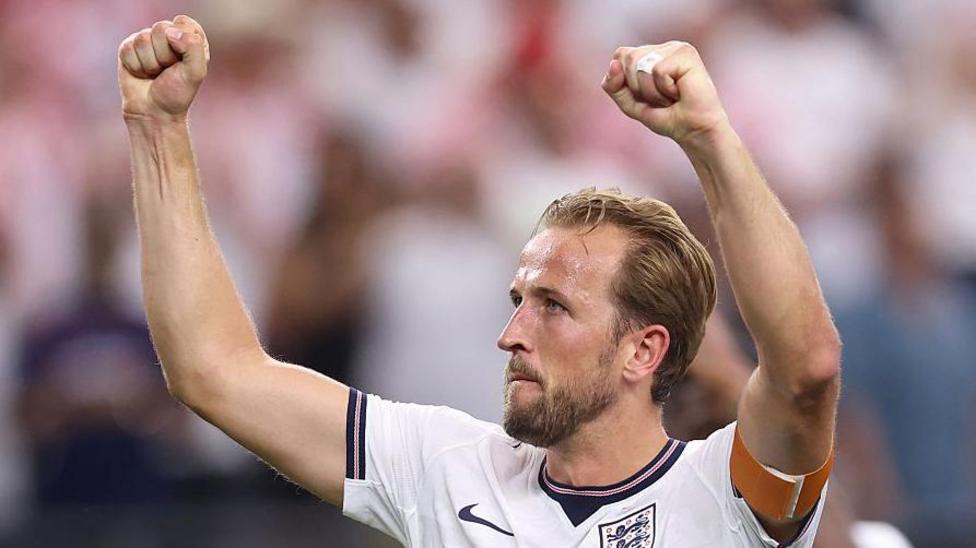
Shearer Identifies the Subtle Shift Making Kane Unstoppable
Alan Shearer sees a liberated, ruthless Harry Kane at this World Cup, a stark contrast to the burdened striker who froze in Qatar.
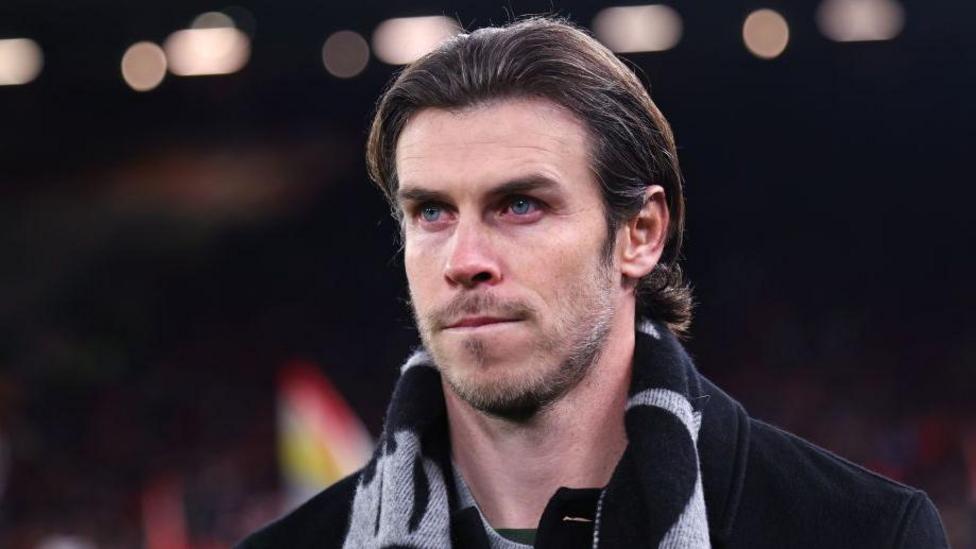
From Galáctico to the Boardroom: Gareth Bale's Next Chapter
The Wales legend is eyeing club ownership, joining a growing wave of retired stars reshaping football's business landscape.
Senegal Carry an Entire Continent's Weight Into Norway Showdown
A CAS ruling and continental pride collide as Senegal face Norway with more than Group I on the line.