Damson Idris Opens Door to Joshua Pearce Sequel Return
The F1 movie star teases a potential return for his breakout character Joshua Pearce, and the implications are massive.
Lights Out, Camera Rolling
The credits had barely stopped rolling on Brad Pitt's high-octane cinematic dive into the Formula 1 paddock before the next question fired off the line: what happens to Joshua Pearce now?
Damson Idris, the British-Nigerian actor who brought the fictional APXGP rookie sensation to life opposite Pitt's washed-up veteran Sonny Hayes, has finally addressed the elephant in the pit lane. Speaking on the latest episode of the official F1 podcast Beyond The Grid, Idris delved into whether his character's story could continue beyond the checkered flag of the first film.
And the answer, for fans of the blockbuster that thrust real-world F1 machinery into Hollywood's spotlight, is tantalisingly open-ended.
The Joshua Pearce Blueprint
Let's rewind to why this matters. Joshua Pearce wasn't just a supporting foil for Pitt's leading man. He was the emotional engine of the entire narrative arc. A young, supremely talented driver fighting his way into a sport that treats rookies like speed bumps, Pearce represented every real-world junior academy prospect who has ever clawed their way up through F2, F3, and the knife-edge margins of Formula 1's driver market.
Idris played him with a raw intensity that caught paddock insiders off guard. This wasn't a celebrity vanity cameo. The Snowfall star embedded himself in the reality of grand prix racing, training at the track, absorbing the gravitational forces of a real cockpit, and earning respect from a grid that doesn't hand praise to outsiders lightly.
"I lived and breathed this world. Joshua Pearce felt real because the world around him was real. That's the thing about F1, it doesn't let you fake it." — Damson Idris, Beyond The Grid
That authenticity is precisely why the question of a sequel return carries genuine weight. Pearce became a touchstone character. The bridge between the Hollywood spectacle and the sport's granular reality.
The Sequel Tease
On Beyond The Grid, Idris was measured but unmistakably enthusiastic about the prospect of reprising the role. He didn't confirm a greenlit sequel. He didn't trot out a contractual obligation. What he did was leave the door широк open in a way that suggests conversations have happened, are happening, or are at the very least being whispered about in the corridors between Los Angeles and the paddock.
The actor made clear that Joshua Pearce's arc was written with a believable trajectory. A young driver who proved he belonged. But in motorsport, proving you belong is just the start. The next chapter, if it comes, would deal with staying there. consolidating. fighting for a genuine championship challenge rather than simply surviving the paddock's ruthless education.
That distinction matters narratively because it mirrors the actual Formula 1 lifecycle. The rook year humbles you. Year two defines you. A Pearce sequel would need to show the character confronting the sport's brutal second-season phenomenon, the one that has swallowed real talents whole.
Why The Timing Is Perfect
The F1 movie arrived at a precise cultural inflection point. The sport's American explosion, fueled by Drive to Survive, the Miami and Las Vegas grands prix, and a generation of new fans, created a Hollywood-ready audience that didn't need to be taught what a DRS zone is. They already knew.
Box office performance and cultural penetration are the context here. The film was engineered as a tentpole, not a one-off passion project. Producer Jerry Bruckheimer and director Joseph Kosinski built a world that could expand.
The key numbers tell their own story:
- The production embedded with the real F1 grid during 15 race weekends across a full season
- Footage was captured using actual modified F2 cars running at grand prix speeds
- The film's technical advisor team included personnel with direct paddock experience
- Brad Pitt and Damson Idris both underwent intensive driving preparation to handle on-track sequences credibly
That level of commitment doesn't build a disposable franchise. It builds infrastructure for continuation.
What Idris Revealed About The Character
The Beyond The Grid conversation went beyond simple sequel bait. Idris reflected on what Joshua Pearce meant to him as a performer and what the character represented within the broader F1 ecosystem.
Pearce was written as an underdog with genuine credentials. Not a manufactured prodigy handed a seat, but a grinder. Someone whose talent was obvious but whose opportunity was fragile. That vulnerability, Idris suggested, is what makes the character worth returning to. He isn't a finished product. He's a driver in mid-formation, which is the most dramatic phase of any athletic career.
The actor also spoke about the response from the real paddock. Drivers, engineers, team principals. The validation that came from insiders acknowledging that Pearce felt like someone who could actually exist in their world was, by implication, the highest praise Idris could received.
"When people in the paddock tell you they know a Joshua Pearce, that's when you know it landed. Because this sport isn't kind to fiction that doesn't respect the details." — Damson Idris
The Creative Calculus
From a studio standpoint, a sequel with Idris returning as Pearce makes undeniable sense. The chemistry between Pitt and Idris was the film's structural backbone. A mentor dynamic that evolved into mutual respect without sacrificing the competitive tension that makes F1 compelling in the first place.
But creatively, the next film faces the classic sports sequel problem. The origin story is done. Pearce proved he belongs. Hayes proved he isn't finished. Where do you raise the stakes without cartooning the sport?
The answer likely lies in the format's greatest asset: access to the real F1 world. If the first film established the characters, a sequel could deepen the sport. The political battles. The technical regulations war. The driver market merry-go-round that turns teammates into rivals overnight. Pearce, established now as a credible presence, could navigate those waters as a more mature, more hardened competitor.
That evolution would parallel Idris's own trajectory as an actor. He's no longer the newcomer stepping into an unfamiliar world. He's a proven commodity with a track record. Sound familiar?
Race Verdict — Paddock MVP and The Pit Stop Flop
MVP: Damson Idris. Not just for the performance, but for the promotional lift he provided. He engaged with the F1 media apparatus like a seasoned paddock professional, showing up to Beyond The Grid and speaking the language of the sport with fluency. His work made the film's paddock scenes feel legitimate to the hardest audience to convince: the existing fanbase.
Biggest Disappointment: The premature closure of Pearce's story. The first film functioned as setup, and resolving the character's arc entirely within that runtime would waste the most compelling asset the franchise possesses. A young, believable protagonist with room to grow is rare in sports filmmaking. Writing him off after one outing would be a strategic misstep.
Championship Picture — The Hollywood-aping Grid
The F1 movie franchise isn't competing in a vacuum. It launched into a sports-entertainment landscape where Drive to Survive redefined how fans consume racing, where Checo Pérez and Lewis Hamilton navigate celebrity alongside competition, and where the line between sport and content has effectively dissolved.
If Joshua Pearce returns, he re-enters that landscape not as a novelty but as an established figure. The fictional driver who fooled the real world. That status carries weight, and it gives the sequel a narrative baseline the first film had to build from scratch.
The grid is set. The lights are waiting. Whether Pearce fires up again depends on the studio's green light, but Idris has made one thing clear: he isn't done with the character, and by extension, he isn't done with the sport that shaped him.
For F1, which has spent years engineering its own Hollywood moment, that commitment is the perfect engine to keep running.
Final Position — Beyond The Grid appearance: 1. Damson Idris — P1, full points, narrative momentum intact.
Editorial Integrity
This is an original SportPulse article written by our editorial team. All content is independently researched, written, and reviewed by our writers and editors before publication. We do not publish copied, aggregated, or syndicated content.
SportPulse is committed to original sports journalism. Read our editorial policy or contact us with any questions.
More Like This
All f1
Antonelli Stuns Monaco as Leclerc Crash Shuffles Grid
Kimi Antonelli seizes maiden pole in Monaco as Leclerc's Q3 crash hands Mercedes the edge over Verstappen and Hamilton.
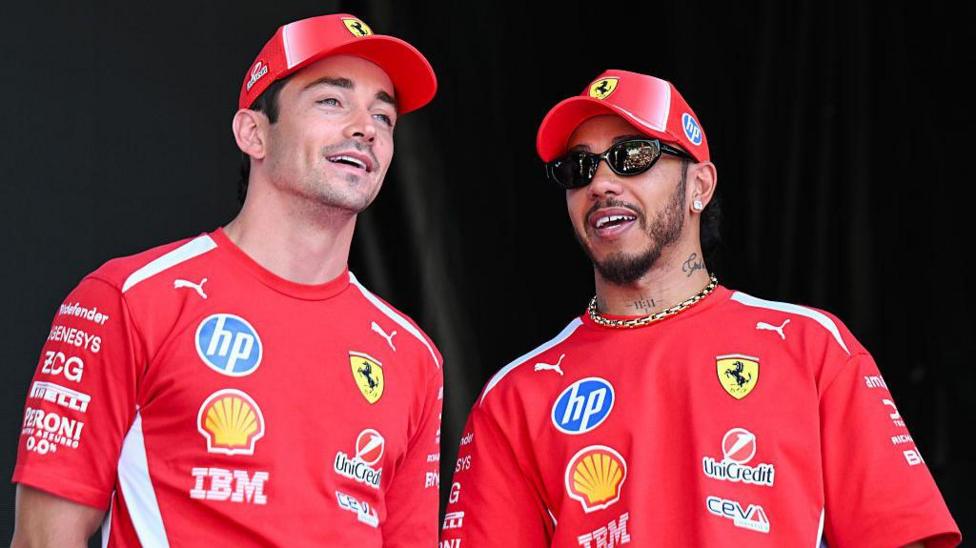
Leclerc's Struggles or Hamilton's Revival? The Answer Is Complicated
Are Charles Leclerc's struggles a sign of Hamilton's revival? A deeper dive reveals a more nuanced reality.

Ferrari's Spielberg Struggle: Why the Red Bull Ring Exposes the SF-24's Achilles Heel
Leclerc's Friday pessimism isn't just driver frustration — it reveals a fundamental setup conflict the SF-24 faces at Spielberg.