How a Group of Women Saved Seattle Basketball and Built a Dynasty
Dawn Trudeau and Force 10 Hoops didn't just buy the Seattle Storm — they rewrote the playbook on WNBA ownership.
The Day Seattle Almost Lost Everything
Picture this: it's 2008, and the SuperSonics are gone. Oklahoma City is celebrating. Seattle is gutted. The NBA's departure left a crater in the Pacific Northwest sports landscape, and the collateral damage was about to swallow the Storm whole. The WNBA franchise, sister team to the Sonics, was packaged into the deal. Clay Bennett wanted the whole bundle shipped south.
Then a group of women said no.
Not with a press conference full of bluster. Not with a billionaire's ego. Force 10 Hoops, led by local businesswomen including co-owner Dawn Trudeau, stepped into the void and purchased the Seattle Storm, keeping professional basketball alive in the Emerald City when the NBA had abandoned it.
It was the kind of move that rarely makes front-page headlines. But nearly two decades later, the ramifications ripple through every corner of the WNBA.
A Gameday Unlike Any Other
Trudeau's matchday routine reads nothing like the typical image of a professional sports owner. There's no luxury box schmoozing with corporate sponsors for the full 40 minutes. No pregame handshakes with politicians.
Instead, there's physical therapy. With her cats.
The Storm co-owner has spoken openly about her gameday rituals: stretching, managing the physical toll of a life lived at full speed, all before heading to the arena. Once there, she paces the concourse. Not the sideline. The concourse. Among the fans. Watching how the crowd moves, feeling the energy build before tipoff.
It's a hands-on approach that sounds almost quaint in an era of hedge fund ownership groups and sovereign wealth funds parachuting into professional sports. But it's precisely what has made the Storm one of the WNBA's most enduring success stories.
The Force 10 Model
Let's be clear about what Force 10 Hoops accomplished. They didn't just save a franchise from relocation. They built an organizational culture that has produced four WNBA championships and a pipeline of generational talent.
Consider the names that have worn the green and gold:
- Sue Bird — the greatest point guard in WNBA history, a five-time Olympic gold medalist who spent her entire 19-season career in Seattle
- Breanna Stewart — two-time WNBA Finals MVP, the engine behind back-to-back titles in 2018 and 2020
- Jewell Loyd — the explosive guard who became the franchise's offensive heartbeat after Bird's retirement
By the Numbers
- 4 WNBA championships (2004, 2010, 2018, 2020)
- 2 titles under Force 10 Hoops ownership (2018, 2020)
- Sue Bird played 580 regular-season games for the Storm
- The Storm averaged 23.3 wins per season from 2018 to 2022
- Force 10 Hoops purchased the team in 2008 for a reported $10 million
That last number deserves a double-take. Ten million dollars for a franchise in a league that was fighting for basic television exposure. In 2024, WNBA expansion fees have ballooned, and team valuations have skyrocketed. The Storm's ownership bet on women's basketball when almost nobody else would.
Why Ownership Matters More Than You Think
The WNBA is experiencing a cultural moment. Caitlin Clark, Angel Reese, and the 2024 rookie class have driven unprecedented viewership. National television deals are growing. Expansion is on the horizon. But the infrastructure that makes this moment possible was built, brick by brick, by organizations like the Storm.
"We didn't buy this team to flip it. We bought it because Seattle needed basketball, and women's basketball needed an owner who actually believed in it." — Dawn Trudeau
This is the part that gets lost in the hype cycle. The league's current boom didn't materialize out of thin air. It was cultivated by ownership groups who treated their franchises as community institutions rather than vanity projects.
Force 10 Hoops represents something radical in professional sports: female-led ownership that prioritizes sustainable growth over splashy free-agent signings. They invested in facilities, player development, and community engagement long before those things became fashionable talking points in league boardrooms.
The Progressive Blueprint
The Storm have been described as a "progressive" franchise, and the label fits. Under Force 10's stewardship, the organization has been at the forefront of:
- Player wellness programs that go beyond standard athletic training
- Community outreach in the Seattle metro area, particularly around youth basketball and LGBTQ+ initiatives
- Transparent communication between ownership and players, a rarity in professional sports where front-office doors often feel barricaded
This isn't performative. When Sue Bird became one of the first openly gay professional athletes to endorse a presidential candidate, the Storm's organizational culture made that possible. When Breanna Stewart spoke out on social justice issues, the franchise backed her publicly.
The connective tissue between the court and the community has always been intentional. And Trudeau's gameday presence, wandering the concourse rather than hiding in a suite, is symbolic of that philosophy.
The Business of Believing
Here's the uncomfortable truth about women's professional sports ownership: for decades, it was treated as philanthropy rather than investment. Owners were expected to absorb losses quietly and be grateful for the opportunity.
Force 10 Hoops flipped that script. They operated the Storm like a real business while simultaneously treating it like something more important than a business. That duality is rare.
The WNBA's recent valuation surge has vindicated their approach. What cost $10 million in 2008 would now command multiples of that figure. But Trudeau and her partners have never positioned the Storm as a financial instrument. It's a basketball team, a community anchor, and a proof of concept.
Proof that women can own professional sports franchises and win championships.
Proof that a mid-market WNBA team can build a dynasty without the advantages of a major NBA market.
Proof that showing up, literally, on gameday — pacing the concourse, feeling the crowd, absorbing the energy — matters.
What's Next for Seattle
The Storm enter the next chapter of the WNBA's evolution in a fascinating position. The league is expanding, with new franchises driving up valuations and competition for talent. Seattle's championship pedigree gives them credibility, but the roster has undergone significant turnover since the Stewart and Bird era.
The question now is whether Force 10 Hoops can replicate their earlier magic in a rapidly changing landscape. New TV money. New markets. New rivals. The WNBA of 2026 looks nothing like the league they purchased in 2008.
But if history is any guide, betting against Dawn Trudeau and the Storm's ownership group is a losing proposition. They've already done the hardest thing in sports: built something that lasts.
The concourse is waiting. Tipoff is coming.
Seattle basketball endures.
Editorial Integrity
This is an original SportPulse article written by our editorial team. All content is independently researched, written, and reviewed by our writers and editors before publication. We do not publish copied, aggregated, or syndicated content.
SportPulse is committed to original sports journalism. Read our editorial policy or contact us with any questions.
More Like This
All basketball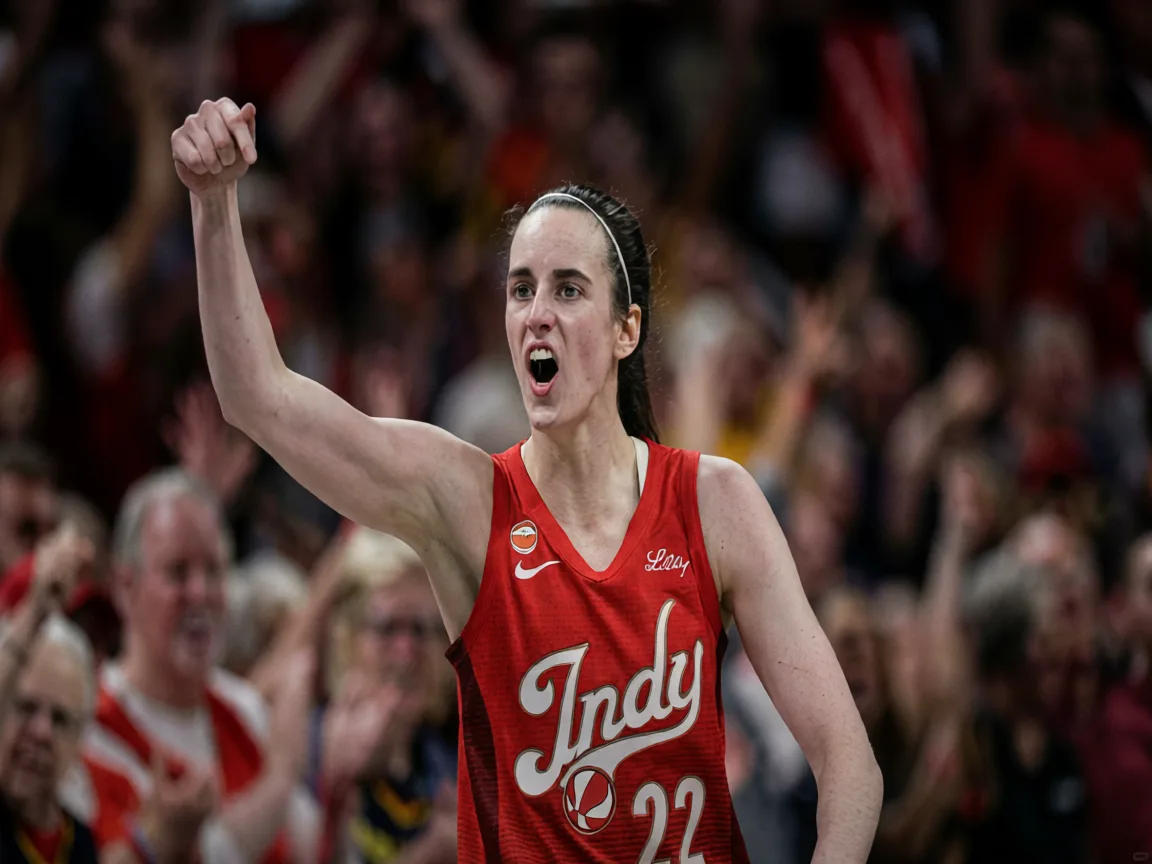
Caitlin Clark's 45-10 Night Rewrites the WNBA Record Books
Caitlin Clark became the first WNBA player ever to post 40-plus points and 10 assists in a single game, silencing doubters with a historic masterpiece.

Salt Lake Finale: Jazz Hunt Perfect Run, Flemings Sparks Hawks Upset Bid
Utah Summer League closes with the Jazz chasing perfection and Kingston Flemings engineering an underdog Hawks upset on July 7.
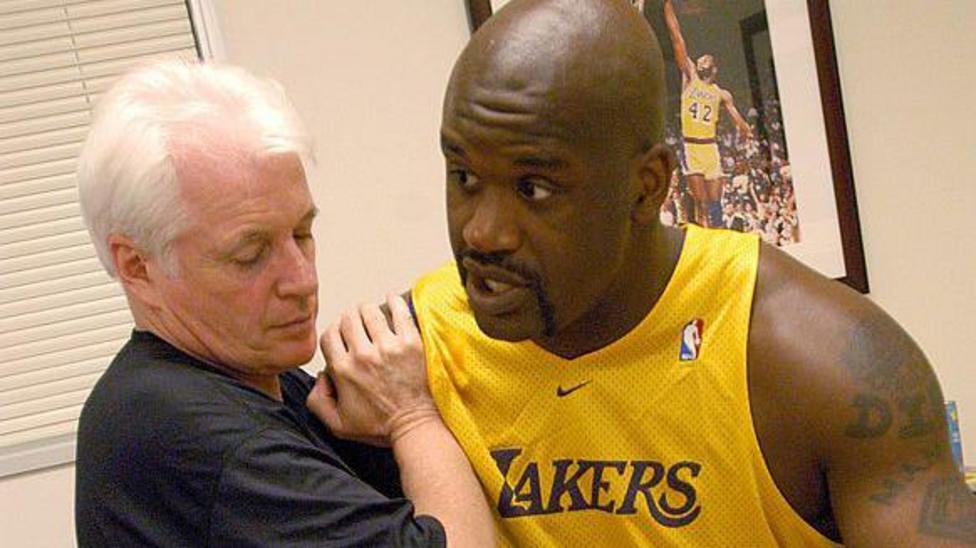
The Scotsman Who Saved NBA Careers at 74
Alex McKechnie left Scotland to become the NBA's most legendary physiotherapist, salvaging superstar careers well into his seventies.