De Bruyne's Trademark Thunderbolt Seals Belgium's Group G Dominance
Kevin De Bruyne's first goal of the 2026 World Cup underlined Belgium's credentials as they topped Group G with authority.
The Moment That Mattered
When Kevin De Bruyne lined up the ball in that signature pocket of space between the lines, every defender on the pitch knew what was coming. None of them could stop it. Belgium's talismanic midfielder announced himself at the 2026 FIFA World Cup with the kind of strike that has defined his career, powering home a long-range effort that left New Zealand's goalkeeper rooted to the spot. It was De Bruyne's first goal of the tournament, and it arrived with the kind of ruthless precision that has made him one of the most feared playmakers of his generation.
The goal capped a dominant Belgian performance as they dispatched New Zealand to finish top of Group G, securing what should theoretically be a more favorable path in the knockout rounds. But beyond the group standings, it was the identity of the goalscorer that carried the deeper significance.
De Bruyne's Weight of History
For all his brilliance at club level with Manchester City, De Bruyne's relationship with major international tournaments has been complicated. The 2018 World Cup in Russia delivered Belgium's best-ever finish — third place — and De Bruyne was instrumental, particularly in that devastating counter-attacking masterclass against Brazil in the quarter-finals. But the years since have brought frustration: an injury-disrupted Euro 2020, a disappointing group-stage exit at the 2022 World Cup in Qatar, and the nagging sense that Belgium's celebrated Golden Generation had left its best chances on the table.
Now 35 years old, De Bruyne arrived at the 2026 tournament knowing this was almost certainly his final shot at football's ultimate prize. The goal against New Zealand wasn't just a number on a scoresheet. It was a statement of intent from a player who refuses to let his international legacy end with underachievement.
The Tactical Blueprint
Belgium's approach throughout Group G has reflected a team built around De Bruyne's unique ability to operate in the half-spaces. Head coach Domenico Tedesco has constructed a system that channels possession through the midfield maestro, allowing him to dictate tempo from a free eight role that floats between the lines.
Against New Zealand, Belgium employed a fluid 4-2-3-1 that frequently morphed into a 3-2-5 in possession, with De Bruyne drifting into advanced positions between New Zealand's midfield and defensive lines. It's a structure that maximizes his vision and passing range while minimizing the defensive burden on aging legs. The defensive double pivot behind him provides the platform, while width is supplied by overlapping fullbacks who stretch the opposition horizontally.
New Zealand, to their credit, arrived with a clear plan to congest the central channels and deny De Bruyne space. For stretches of the first half, it worked. But world-class players only need a moment, and De Bruyne's ability to create separation with a single body feint or a sudden burst of acceleration — even at his age — remains elite.
Tactical Shift: Breaking the Low Block
The decisive phase of the match came when Belgium adjusted their positioning to overload the right half-space. De Bruyne began dropping deeper to collect the ball, dragging New Zealand's holding midfielder out of position. This created a corridor that Belgium's attacking runners exploited with diagonal movements.
The goal itself was a textbook example of De Bruyne's spatial intelligence. Receiving the ball in what appeared to be a harmless position, he recognized the gap between New Zealand's midfield and defensive lines had widened to a critical degree. The trademark strike — powerful, precise, curling — was the culmination of minutes of patient positional manipulation.
This is what separates De Bruyne from mere technicians. His ability to read defensive structures in real time, to understand where space will open before it actually does, gives Belgium an attacking dimension that few teams at this tournament can replicate. The goal was his first of the World Cup, but his influence on Belgium's buildup play had been evident across all three group matches.
Group G: What Top Spot Means
Finishing first in Group G carries tangible advantages in a World Cup bracket. Belgium avoid what would have been a significantly more dangerous Round of 16 opponent, and the path to the quarter-finals opens up with considerably less peril. For a squad built around an aging core of experienced internationals, managing physical expenditure across seven potential matches is paramount.
New Zealand, meanwhile, showed the defensive organization that has characterized their tournament campaign. They conceded territory and possession willingly, absorbing pressure and looking to hit Belgium on the transition. It's a pragmatic approach that reflects their standing in international football, and one that nearly produced a result. Against lesser opponents, the All Whites' compact defensive block could prove decisive in the knockout stages.
The Bigger Picture
De Bruyne's goal carries weight beyond the immediate context of group-stage qualification. It signals that Belgium's most important player has arrived at this tournament with the sharpness and hunger that their ambitions demand. Tedesco's tactical framework depends on De Bruyne operating at or near peak capacity, and a first goal often unlocks the psychological floodgates for a player of his caliber.
The Belgian squad is a fascinating blend of experience and emerging talent. De Bruyne's generation — players who grew up alongside Eden Hazard, Jan Vertonghen, and Toby Alderweireld — are in their twilight. But the younger cohort that has integrated into the setup offers genuine hope that this isn't simply a farewell tour for the old guard.
What Belgium cannot afford is a repeat of the complacency that has undermined previous tournament campaigns. The 2022 World Cup in Qatar remains a cautionary tale: a squad of immense individual talent that failed to function as a cohesive unit when it mattered most. Tedesco's emphasis on structural discipline and collective pressing represents a philosophical departure from the more laissez-faire approach of previous eras.
Looking Ahead
Belgium will now turn their attention to the knockout rounds, where the tactical demands intensify dramatically. Group-stage opponents willing to sit deep and defend give way to teams with the quality and ambition to press high and attack with conviction. De Bruyne's ability to operate under pressure, to find solutions in congested spaces against elite defenders, will be tested in ways New Zealand simply couldn't replicate.
The key question for Tedesco is how to protect De Bruyne's energy across a deep tournament run. His substitution patterns during the group stage suggest careful management, withdrawing his playmaker once results are secured. But knockout football offers no such luxuries. Every minute demands maximum concentration, and De Bruyne's fitness will be the single most important variable in Belgium's tournament trajectory.
For now, though, Belgium can take satisfaction from a job well done. Top of Group G, unbeaten, and with their star man off the mark. The trademark thunderbolt against New Zealand was a reminder of why De Bruyne remains, even at 35, one of the most complete midfielders in world football.
The knockout stages await. And Kevin De Bruyne is ready.
Editorial Integrity
This is an original SportPulse article written by our editorial team. All content is independently researched, written, and reviewed by our writers and editors before publication. We do not publish copied, aggregated, or syndicated content.
SportPulse is committed to original sports journalism. Read our editorial policy or contact us with any questions.
More Like This
All football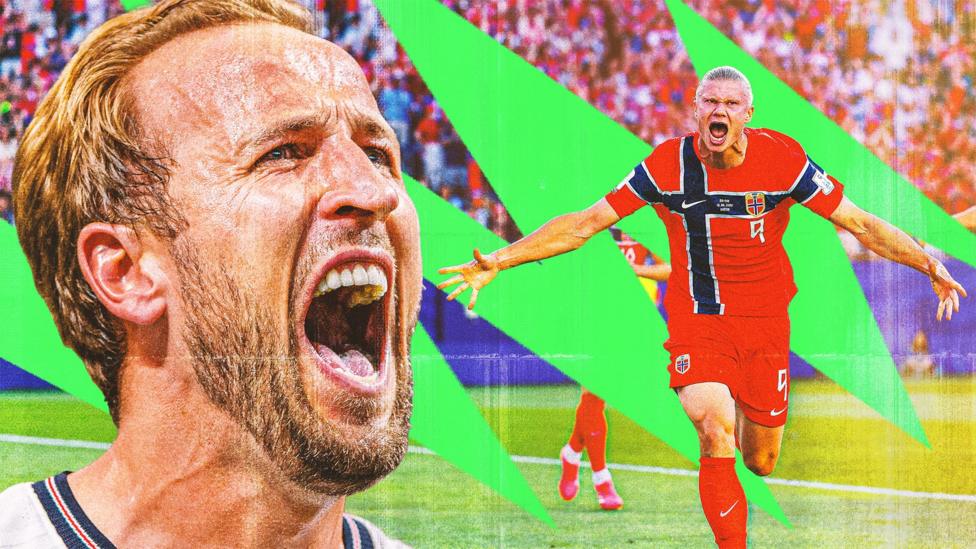
Kane vs Haaland: The Striker Debate Defining a Generation
Two dominant number nines collide for a World Cup semi-final berth, reigniting football's most polarising question.
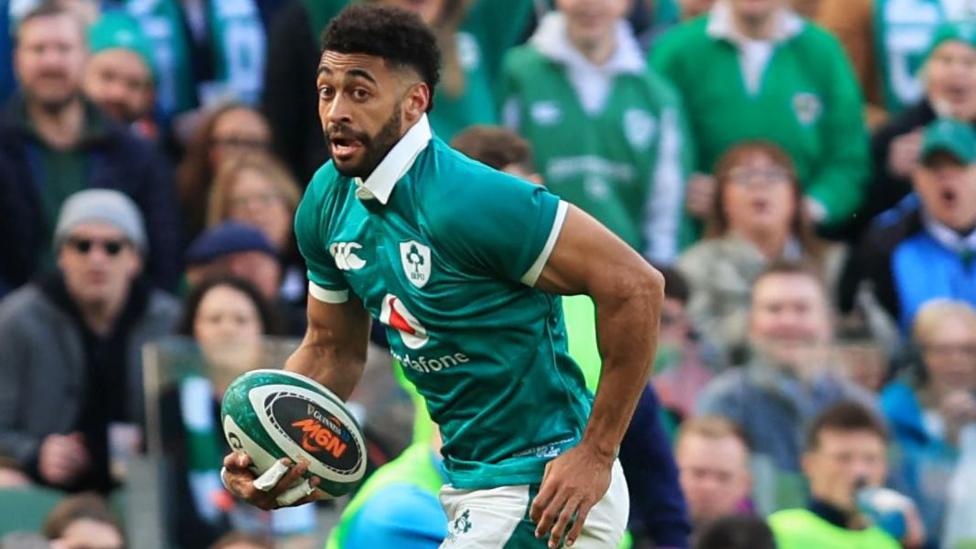
Baloucoune Fitness Gamble Defines Ireland's Japan Test
Baloucoune's late fitness test exposes Ireland's wing depth problem ahead of a pivotal Nations Championship clash in Japan.

July 2026 Transfer Window: The Deals Reshaping English Football
July 2026 redefined English football's transfer landscape across the Premier League, EFL, Scottish Premiership and WSL.