Dembélé’s Quiet Rise: From Next Gen Pick to World’s Best
Ousmane Dembélé’s journey from a 2014 Next Generation talent to Guardian’s best male footballer, powered by PSG’s team-first ethos.
The Intangible Edge
What separates a great player from the best? In 2014, when the Guardian embarked on its inaugural Next Generation project, that question guided every scout. The brief was simple: find a France-based talent born in 1997 with a future at the pinnacle. Ousmane Dembélé was just one name on a crowded shortlist, but the selection criteria went far beyond dribbling stats or pace. Attributes that can’t be counted—resilience, adaptability, decision-making, a hunger to learn—cut the five-man list to one.
“After a great deal of research, I narrowed it down from my shortlist of five by asking questions not about the players’ football ability, but about other attributes: resilience, adaptability, decision-making, creativity, work ethic, response to feedback and willingness to learn.” — The Guardian’s talent scout
The PSG Transformation
Fast-forward a decade, and those hidden qualities have propelled Dembélé to a status that once felt improbable: the Guardian’s best male footballer in the world. The honor didn’t come because Paris Saint-Germain built around a megastar; it came because they didn’t. Under Luis Enrique, PSG buried its galactico era and embraced a collective that demanded every player, even its most gifted, grind for the group.
The System Shift
- Defensive work rate became non-negotiable: Dembélé tracked back with an intensity rarely seen in his Barcelona stint.
- Creative burden was shared, yet he stepped up without overshadowing teammates—a playmaker with the discipline of a journeyman.
- Ego disappeared: no theatrics, no transfer sagas, just consistent end product in Ligue 1 and the Champions League.
The Guardian Crown
The recognition itself is a capstone, not a turning point. Dembélé didn’t campaign for it; he earned it through performances that married flair with function. In a sport obsessed with goal tallies and viral highlights, his coronation feels refreshingly old-school—a nod to the invisible architecture behind success.
Why He Stood Alone
- Tactical obedience paired with game-breaking spontaneity.
- Mentality shift: no longer the prodigy who needed coddling, but the leader who demands more from himself.
- Team-first output: his numbers spiked precisely because he stopped chasing them.
“The Frenchman has benefitted from PSG’s focus on the team rather than individuals.” — source summary
The Long Arc
That original Next Generation call in 2014 was never about who could dazzle at 17; it was about who would still be climbing at 27. Dembélé’s journey—from Rennes wonderkid to Borussia Dortmund rocket, from Barcelona enigma to Parisian cornerstone—now stands as validation of a scouting philosophy. The best player in the world isn’t always the most talented. He’s the one who figures out what his talent is for.
Ousmane Dembélé finally found his answer. And PSG gave him the room to show it.
Editorial Integrity
This is an original SportPulse article written by our editorial team. All content is independently researched, written, and reviewed by our writers and editors before publication. We do not publish copied, aggregated, or syndicated content.
SportPulse is committed to original sports journalism. Read our editorial policy or contact us with any questions.
More Like This
All Football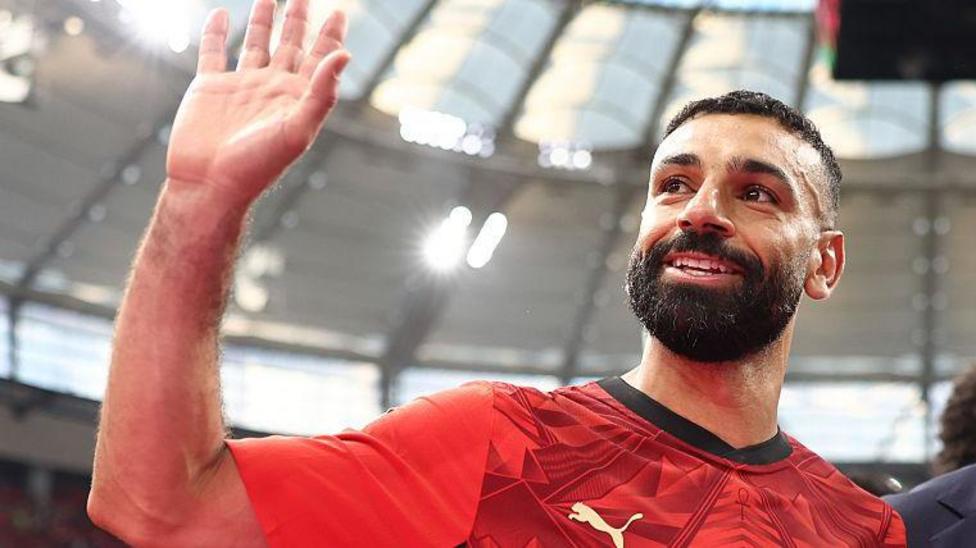
Salah Exorcises Demons as Egypt Claim First-Ever World Cup Win
Ninety-two years of waiting ended as Mohamed Salah fired Egypt to a landmark World Cup victory.

Mbappe Officially Joins Real Madrid on a Five-Year Deal
The French forward ends a two-year saga. Here's what the move means for both clubs and the player himself.
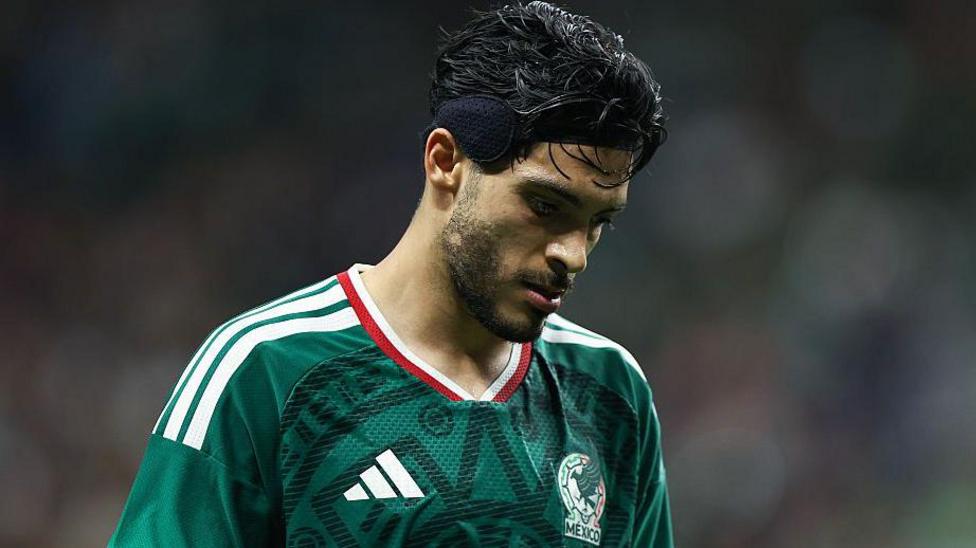
Mexico 2026: History, Stars, and Home Soil Advantage
A deep dive into Mexico's World Cup legacy and the stars shaping their 2026 campaign on home soil.