Dimitrov Exorcises Wimbledon Demons With Defiant First-Round Victory
Grigor Dimitrov returns to Wimbledon and wins, 12 months after one of the most painful exits of his career.
A Score Settled on Grass
There are matches that break you, and then there are the ones that rebuild you from the wreckage. For Grigor Dimitrov, Wimbledon has always been both. The Bulgarian returned to the All England Club on Monday and delivered a first-round victory that, on paper, looks routine. In reality, it carried the weight of 12 months of anguish, a silent reckoning with the court that nearly ended his belief.
Dimitrov's winning return comes exactly a year after he suffered what many described as one of the most devastating nights of his professional career at this very venue. The details of that loss still sting for anyone who watched it unfold: a collapse that left the 33-year-old visibly shattered, fighting back tears in his post-match press conference, his voice barely above a whisper. It was not just a defeat. It was a fracture.
What makes Monday's result significant is not the opponent or the scoreline. It is the act of showing up, stepping onto the same grass, and refusing to let a single night define an entire legacy.
The Weight of a Wimbledon Heartbreak
To understand why this win matters, you have to understand the peculiar cruelty of Wimbledon for Dimitrov. The tournament has been a stage for both his greatest triumphs and his most painful collapses. He reached the semifinals here in 2014, announced as the sport's next superstar, a player whose fluid movement and one-handed backhand drew inevitable comparisons to Roger Federer. The nickname "Baby Fed" followed him for years, a compliment that slowly morphed into a burden.
That 2014 run promised a career of Slam titles. Instead, Dimitrov spent the next decade oscillating between brilliance and heartbreak, never quite converting his immense talent into the major championship many believed was inevitable. He climbed to world No. 3 in 2017, won the ATP Finals that same year, and yet the Grand Slams remained agonizingly out of reach.
Wimbledon became a microcosm of that frustration. The grass suits his game perfectly: the slice backhand, the willingness to come forward, the silky touch at the net. Yet time and again, the tournament delivered gut punches rather than glory. Last year's exit was the cruelest of them all, a match where Dimitrov appeared to be in control before the rug was pulled from beneath him in spectacular fashion.
What the Numbers Tell Us About Dimitrov's Grass-Court Pedigree
- Career grass-court win rate hovering around 60%, among the best active players outside the top five
- Reached the Wimbledon semifinals in 2014 and the quarterfinals on multiple other occasions
- Won three grass-court titles across his career, a surface that consistently brings out his best tennis
- Career-high ranking of No. 3, achieved in November 2017
The raw numbers confirm what the eye test has always shown: Dimitrov is a natural grass-court player. The gap between his ability on this surface and his results at Wimbledon has been one of the sport's enduring mysteries.
Rebuilding After the Fracture
Dimitrov's 2024 season, outside of that painful Wimbledon night, was actually a reminder of his enduring quality. He reached the US Open semifinals late in the year, showing that at his best, he can still compete with anyone in the draw. The problem has never been talent. It has been sustaining that level across the fortnight of a Grand Slam, particularly when the pressure mounts in the second week.
At 33 years old, the clock is not just ticking for Dimitrov. It is audibly loud. He knows better than anyone that these opportunities are finite. Every Wimbledon he enters now could be his last serious crack at the title. That knowledge can either paralyze a player or liberate them. Monday's performance suggested the latter.
"Coming back to a place where you've been hurt is never easy. But that's what sport demands of you. You don't get to choose your battlefields."
In his post-match reflections, Dimitrov elaborated on these feelings, describing the "pure emotion" of playing at Wimbledon and the "special energy" from the crowd, confessing, "I just don't want to let people down."
What stood out in his first-round match was not explosive shot-making or dramatic rallies. It was composure. The kind of steady, measured performance that a player produces when he has processed the trauma rather than buried it. Dimitrov played like a man who had made peace with what happened last year and decided it would not happen again.
The Bigger Picture: Can Dimitrov Make a Deep Run?
This is where the analysis gets interesting, and where honest assessment must replace sentimental narrative. Dimitrov winning a first-round match at Wimbledon is not, in itself, a story that should dominate headlines. He remains a seeded player, a former top-five talent, and a man whose game is tailor-made for grass. First-round wins should be expected.
The real question is whether this victory unlocks something deeper. Grand Slam campaigns are built on momentum, on the snowball effect of early wins that build confidence and rhythm. For a player carrying the psychological scar tissue that Dimitrov carries at Wimbledon, surviving the first round without drama is arguably more valuable than a straight-sets demolition.
His draw will determine the path, but the field at Wimbledon this year offers opportunities. The grass-court specialists are fewer than they were a decade ago, and the surface rewards the exact skillset Dimitrov possesses: variety, touch, and the ability to transition from defense to offense in a single shot.
The Bottom Line
Grigor Dimitrov did not just win a tennis match on Monday. He reclaimed a piece of himself that Wimbledon had taken 12 months ago. Whether this turns into a genuine title challenge or remains a cathartic but ultimately limited moment depends on what happens in the next two weeks. But for now, the Bulgarian is still standing on the grass, still swinging his one-handed backhand, still refusing to let the story end on someone else's terms.
At 33, with more behind him than ahead, that defiance might be the most dangerous weapon he brings to SW19 this fortnight.
Verdict
Dimitrov's first-round victory is the opening chapter, not the conclusion. The real test begins now: can he translate emotional resilience into sustained performance across seven matches? His game says yes. His history at this tournament says maybe. But for the first time in years, the man himself seems to believe it. And in tennis, belief is half the battle.
Updated: 2026-07-01 — Added Dimitrov's direct quotes on emotional return and crowd energy.
Editorial Integrity
This is an original SportPulse article written by our editorial team. All content is independently researched, written, and reviewed by our writers and editors before publication. We do not publish copied, aggregated, or syndicated content.
SportPulse is committed to original sports journalism. Read our editorial policy or contact us with any questions.
More Like This
All tennis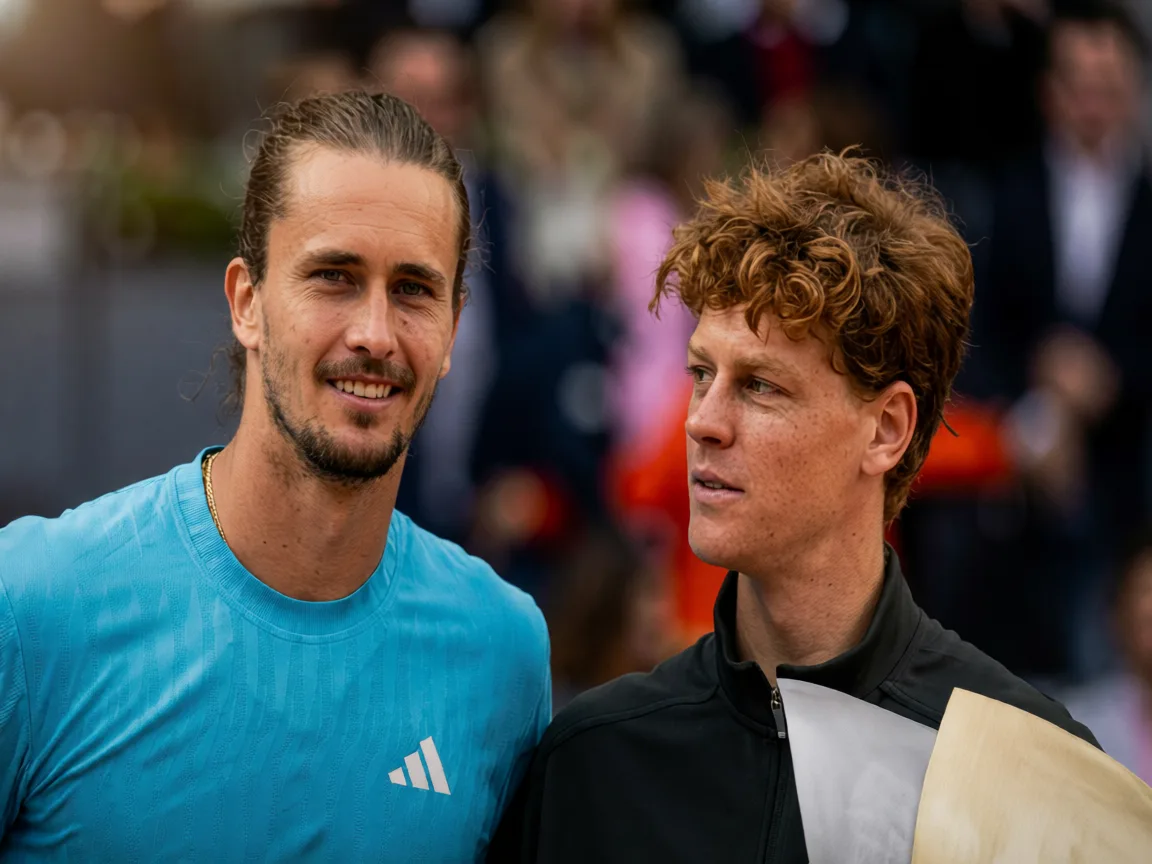
Sinner vs Zverev: The Final That Refuses To Follow The Script
Defending champion Jannik Sinner faces a wary Alexander Zverev in a Wimbledon final that defies easy prediction.
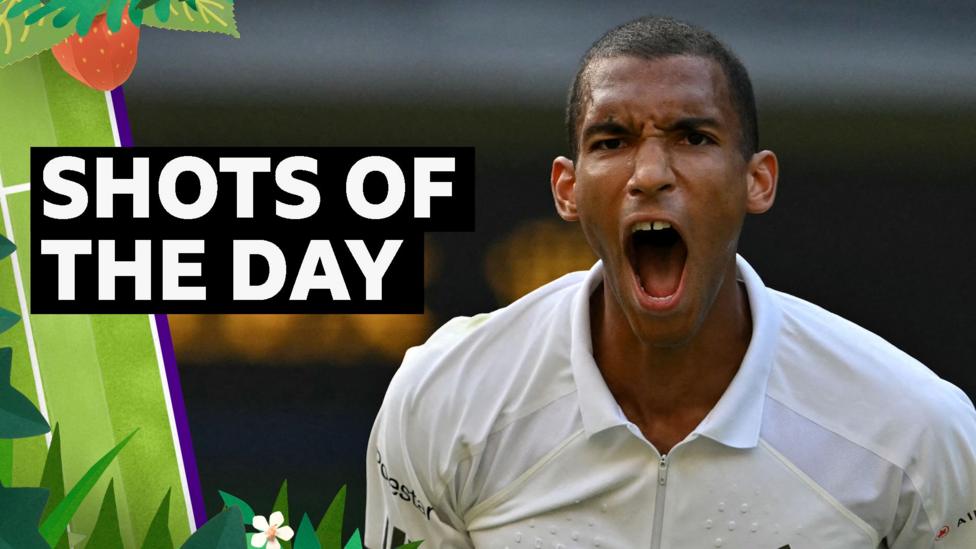
Gauff Reigns, Hewitt Triumphs: Wimbledon Day Nine Highlights
Coco Gauff and Alfie Hewitt delivered commanding performances on Day Nine, showcasing the depth of British and American talent at SW19.
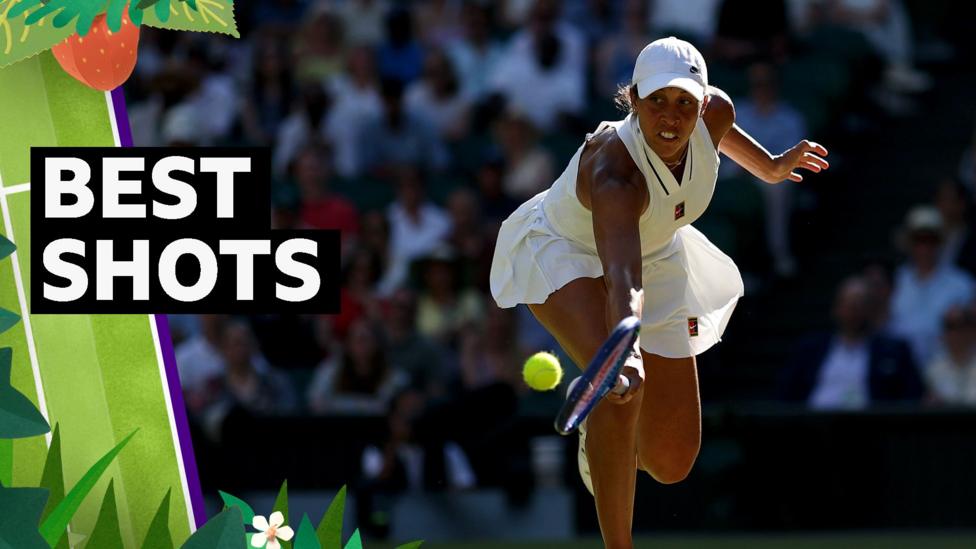
Keys Blasts Past Anisimova: The Bazooka Forehand Deciding Wimbledon's All-American War
Madison Keys' bazooka forehand dismantled Amanda Anisimova in a Wimbledon fourth-round clash that shifted the American tennis hierarchy.