What a Chaotic Boxer Taught a Sociologist About Power, Control and Coaching
William Davies' attempt to train his unruly boxer Dusty became an inquiry into how authority actually works, from dog parks to диктатура.
A Sociologist, a Boxer, and a Lead
William Davies, a sociologist who writes about institutional power, could not control his boxer dog, Dusty, in a south London park. Davies studies how authority works in bureaucracies and on tech platforms. Dusty is lovable and unruly. That friction, between a professional habit of analysis and a practical inability to manage a dog on a lead, became the starting point for a longer essay.
A dog has no moral framework legible to humans. You cannot reason with one, shame it, or appeal to its sense of duty. You can shape behaviour through power: rewards, withholding, physical direction, correction. Davies' academic instinct is to ask who controls the stimuli and who decides what counts as "good." His work on how institutional authority operates, from government agencies to platforms, led him to see the dog park as a miniature political theatre. The handler exercises sovereignty. The dog tests its limits. The relationship breaks down the moment the animal sees a squirrel.
The Mechanics of a Boxer Pulling
Boxers are muscular, headstrong, and bred for tenacious engagement. When a dog of that build decides to pull, the handler's options narrow to physical management or trained compliance.
The parallel to coaching operates directly. Soccer coaches work with subjects who do not always share the objective. A midfielder might want to roam into space. The tactical plan demands he hold position. The coach cannot appeal to the player's sense of duty every ninety minutes. He establishes a system of incentives, boundaries, and consequences that makes the desired behaviour the path of least resistance. The mechanics are similar: routines, structured repetition, calibrated reward, immediate correction. Both contexts ask how you get another being to want what you want.
The parallel is not exact. Human athletes possess moral agency and professional self-interest. But Davies is less interested in the answer than in the structure of the question. His work examines the conditions under which authority is accepted, contested, or collapsed. Dusty, lovable and unruly, provides a test case for what happens when consent is unstable and power is real.
Domination, Governance, and the Dog
Political philosophy distinguishes between power as domination and power as productive capacity. The trainer who yanks a lead exercises physical domination. The trainer who shapes a dog's environment until the dog chooses to heel exercises something closer to governance, arranging the field of options rather than applying force to the body.
Davies' academic work has traced how these softer forms of power have colonised modern life. The tension is that Dusty may not care about the difference. For the dog, the yank and the carefully arranged incentive both produce the same result: a change in direction, a redirection of energy, a submission. The objects of power experience authority through its effects rather than its intentions. The handler who believes he is governing rather than dominating makes a judgment about his own conduct that his subject is in no position to confirm.
What the Handler Carries
Dusty is not an allegory for the modern subject. He is a specific dog with a specific temperament, living with a specific person whose expertise illuminates the general from the particular. What makes the premise work as a long-read is the stubborn materiality of the situation. A dog has weight, muscle, appetite, and its own reading of every situation. If it has no morals, the moral burden of the relationship falls on the handler. The dog cannot be held responsible for being unruly. The handler can be held responsible for failing to establish order.
The same burden falls on anyone shaping the behaviour of others. The teacher whose class is disorderly is not a victim of the students. The coach whose team drifts out of position is not a victim of the players. The supporter who criticises club management is not a victim of the fanbase. Authority rests on the premise that the person holding the lead is accountable for where the walk ends up.
Dusty functions as a check on human self-pity. The dog did not ask to be enrolled in a sociological thought experiment. He wanted to run, investigate, pull against the constraint. That his handler found it instructive says more about the handler than the dog.
The Gap That Generates Insight
Davies' piece leaves the impression that the park is full of small contests that pass unnoticed because the power imbalance is familiar. A man walking his dog is ordinary public life. Through a sociologist's lens, it is a daily rehearsal of the problem at the heart of all political life: how to exercise power over another being without destroying the affection that makes the relationship worth having.
Dusty's unruliness is the variable that keeps the handler honest and prevents the routine from becoming mere routine. A dog that was perfectly obedient would teach nothing, because nothing would need to be negotiated. The gap between the handler's intention and the dog's nature generates the insight. Davies, who has spent a career examining how institutions manage that gap on a civilisational scale, found it alive in his living room. The boxer's pull on the lead is a declaration that something else, right now, is more interesting than compliance. What the handler does next, the choice between correction and indulgence, is the substance of every coaching decision, every management meeting, and every act of governance attempted.
Editorial Integrity
This is an original SportPulse article written by our editorial team. All content is independently researched, written, and reviewed by our writers and editors before publication. We do not publish copied, aggregated, or syndicated content.
SportPulse is committed to original sports journalism. Read our editorial policy or contact us with any questions.
More Like This
All long-reads
Not by the Playbook: When Basketball Becomes a Story of Survival
Beyond the box score and the playbook lies a deeper truth about basketball — it has always been a sport of survival.
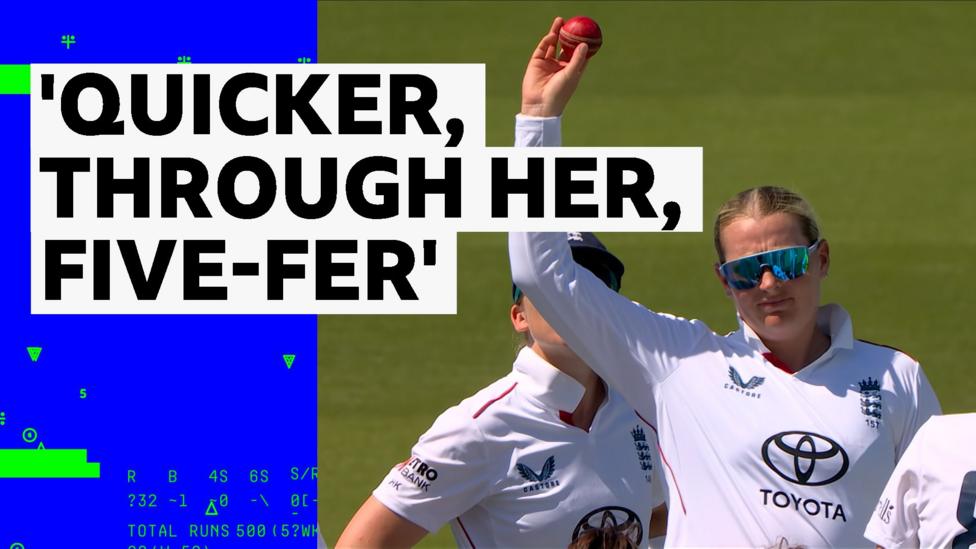
Ecclestone Etches Name Into Lord's History
Sophie Ecclestone becomes the first English woman on Lord's honours board with a five-wicket demolition of India.
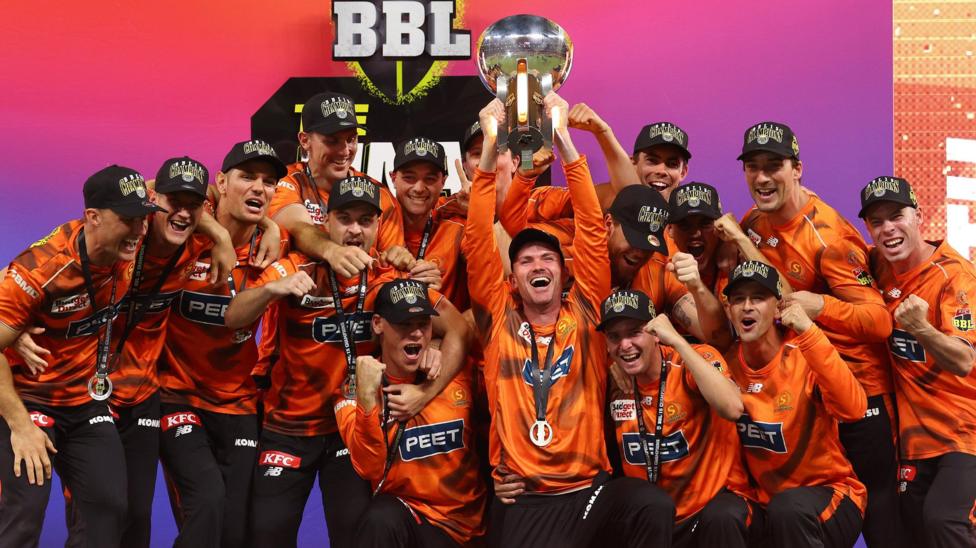
BBL's India Opener Is Cricket's Boldest Geography Play Yet
Cricket Australia sends the Big Bash League season opener to India. A calculated gamble with massive upside and existential risk.